2026 Metal Special Section
Pro Tips That Separate Great Metal Roof Installers from the Rest
Small Details, Better Roofing Outcomes
Key Takeaways
- Metal roofing quality depends on installation details that protect appearance, performance and long-term durability.
- Proper closures, cutting tools, pre-drilling and extra panels help contractors avoid callbacks, delays and visible defects.
- Verify measurements, quantities and cuts throughout the project while educating customers about features like panel striations.
In metal roofing, success is often determined long before the final panel is installed. The best contractors know that superior craftsmanship comes from mastering the details that protect performance, appearance, and customer satisfaction for years to come.
Whether you're a seasoned installer or looking to sharpen your skills, these practical tips can help prevent costly callbacks and elevate the quality of every project.
Don't Fight Striations. Embrace Them.
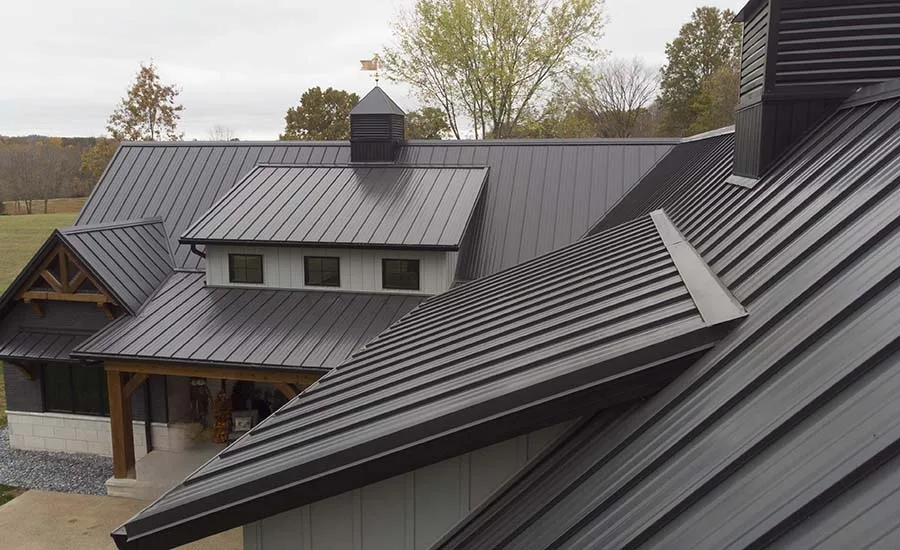
One of the quickest ways to turn a beautiful metal roof into a customer complaint is through oil canning. While factors such as thermal expansion, improper fastener installation, and panel gauge can contribute to the issue, panel striations are one of the most effective ways to minimize visible waviness.
The challenge? Many homeowners don't understand why striations exist. Their expectations are often shaped by architectural renderings, social media images, and home improvement shows where panel details are either edited out or simply not visible.
Contractors who take the time to explain the purpose of striations before installation can avoid disappointment later. Help customers understand that these subtle design features break up surface tension, reduce the appearance of oil canning, and contribute to a cleaner-looking finished roof.
Pro Tip: Make striations part of the design conversation early in the sales process rather than a surprise after installation.
Closure Isn't Optional
Proper sealing practices aren't merely recommendations. They're an industry best practice.
Foam closures installed at eaves, ridges, and transitions help improve weather resistance, energy performance, and the overall integrity of the roof system. Just as important, they keep out debris, insects, birds, and rodents that can find their way into panel cavities over time.
Skipping closures might save a few minutes during installation, but it can create problems that linger for years.
Pro Tip: Verify closure locations during your material takeoff and again before installation begins to ensure nothing gets overlooked.
Pre-Drill Exposed Fastener Panels for Better Results
Every roofer understands the importance of keeping panels square on the roof deck. Pre-drilling takes that precision a step further.
By drilling panels before installation, contractors can maintain cleaner fastener lines, improve panel alignment, and reduce installation errors. Using a quality titanium drill bit designed for high-speed steel (HSS) applications can make the process faster and more consistent.
The result is a roof that not only performs better but looks more professional from the ground.
Pro Tip: Pre-drilling is especially valuable on highly visible residential projects where appearance matters as much as performance.
Put Down the Circular Saw
Few shortcuts create more long-term problems than cutting painted metal panels with a circular saw.
While saws may appear faster, they generate heat and metal fragments that can damage protective coatings and create opportunities for rust to form along cut edges. Over time, those small imperfections can become highly visible.
Instead, use tools specifically designed for metal roofing applications, including:
- Tin snips
- Electric nibblers
- Shears designed for coated steel
These tools cut cleanly without compromising the finish or substrate.
Pro Tip: Becoming proficient with snips and nibblers will also improve your trim work, which is often where craftsmanship stands out most.
Order a Few Extra Panels
Every experienced roofer has made a bad cut.
Maybe a panel gets trimmed incorrectly. Maybe project conditions change after installation begins. Whatever the reason, having a few additional panels available can save a project from costly delays.
When reviewing your order, consider adding two or three panels in the longest length required for the project. Those extras can serve as insurance against mistakes and help ensure color consistency if replacements become necessary.
Anyone who's had to order a single replacement panel weeks later knows how frustrating slight color variations can be, even when the paint code matches.
Pro Tip: A small investment in extra material can prevent major headaches when deadlines are tight.
The Most Important Roofing Tip: Verify Everything
No matter how experienced your supplier or salesperson may be, no one understands the project better than the contractor standing on the jobsite.
Before materials are ordered, verify measurements. Before installation begins, verify counts. Before cuts are made, verify dimensions again.
The contractors who consistently deliver successful projects are the ones who take ownership of every detail. A few extra minutes spent reviewing plans, confirming quantities, and asking questions can prevent days of rework later.
As the saying goes, preventative maintenance is always easier than damage control.
Craftsmanship Still Matters
Metal roofing continues to grow in popularity because of its durability, longevity, and appearance. But the products alone don't create great results. Skilled installers do.
The contractors who invest in mastering details, educating customers, and continually improving their craft are the ones who stand out in an increasingly competitive market.
And in an industry built on reputation, that's a competitive advantage worth protecting.

Looking for a reprint of this article?
From high-res PDFs to custom plaques, order your copy today!