2026 Metal Special Section
Metal Roofing Outlook 2026 and Beyond
Roofing contractors can leverage metal’s longevity against the repeated replacement cycles of traditional roofing materials in today’s market
Key Takeaways
- The convergence of extreme weather events, rising insurance costs, and sustainability awareness is driving the metal roofing marketplace.
- Residential roofing represents the biggest opportunity for metal roofing installers.
- Architectural profiles and metal shingles are attracting homeowners seeking distinctive appearances combined with long-term performance.
- Metal roofing shipments are expected to increase substantially by 2030, supported by growth in residential replacements, continued adoption of standing seam systems, and increasing demand for durability.
The metal roofing industry enters the second half of the decade from a position of strength. What was once considered a niche roofing option has become a mainstream solution for residential, commercial, industrial, agricultural, and self-storage construction. A convergence of market forces, including extreme weather events, rising insurance concerns, sustainability awareness, and evolving architectural preferences, is reshaping demand and positioning metal roofing for continued growth through 2030 and beyond.
According to industry market forecasts, demand for metal roofing continues to expand globally as property owners prioritize durability, energy efficiency, and lifecycle value. North America remains one of the strongest markets, supported by reroofing activity, replacement demand, and ongoing investments in resilient building systems.
Reroofing Continues to Drive Growth
Perhaps the most important driver shaping the future of metal roofing is the dominance of roof replacement projects. Industry forecasts indicate that replacement and reroofing work will account for most of the roofing activity over the coming years. Industry researchers forecast roof replacement will drive roofing work through the decade.
The trend is reinforced by findings from the Metal Construction Association's (MCA) 2026 Metal Roof and Wall Market Study, developed in partnership with FMI. According to MCA, residential replacement projects are expected to account for approximately 96% of all residential metal roofing activity through 2030. The research also forecasts residential metal roofing will capture roughly 16% of the total U.S. residential roofing market within the next four years, highlighting the growing preference for metal when homeowners replace aging roofs.
Ongoing interest in metal reroofing is driven by the need to replace aging traditional roofs. Many existing asphalt shingle roofs installed during the housing boom of the early 2000s are nearing the end of their service lives. Property owners evaluating replacement options increasingly compare the long-term performance of metal with the repeated replacement cycles of traditional roofing materials.
Purchasing behavior has shifted over time. Rather than focusing solely on initial cost, many building owners are evaluating roofs based on lifecycle value, maintenance requirements, energy performance, and resilience.
Weather Resilience Is Becoming a Purchasing Requirement
Residential Roofing Represents Metal’s Biggest Opportunity
While metal roofing is already well-established in agricultural and commercial markets, the residential sector may represent the industry's largest long-term growth opportunity. Industry reports project residential roofing will be the largest growth lever for metal roofing nationwide through at least 2030.
Independent industry research reaches the same conclusion. The MCA 2026 Metal Roof and Wall Market Study identifies residential metal roofing as the largest growth opportunity, citing increasing consumer awareness, growing demand for resiliency, evolving insurance considerations, and appreciation for metal roofing's lifecycle value. MCA survey respondents ranked residential roofing as the top growth opportunity in the market, ahead of many commercial and wall-panel segments.
Several factors are fueling this growth:
- Increased consumer awareness of metal roofing benefits
- Rising concerns about severe weather
- Longer homeowner tenure in residences
- Growing demand for premium home exteriors
- Improved aesthetics and color options
- Greater contractor familiarity with installation techniques
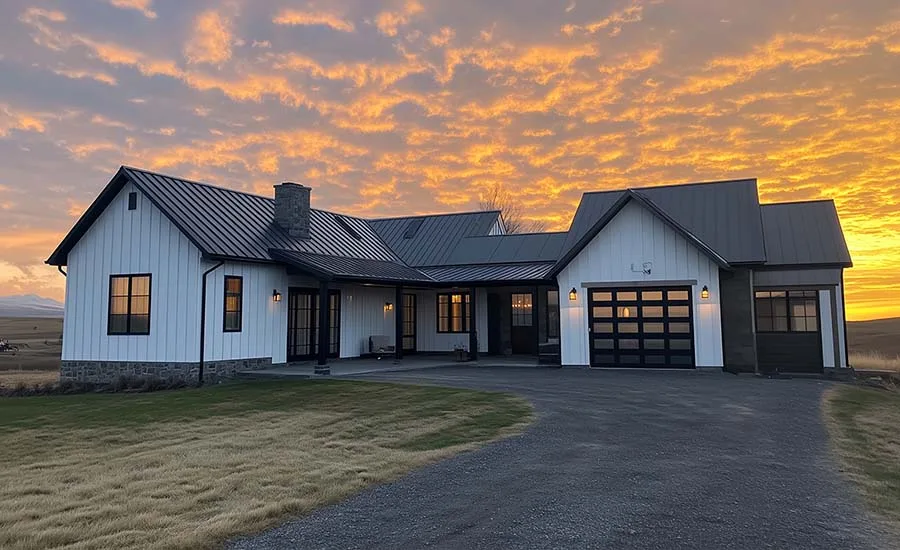
The residential market also continues to diversify beyond traditional standing seam systems. Architectural profiles and metal shingles are attracting homeowners who want distinctive looks paired with long-term performance.
Severe weather has become one of the roofing industry's most significant growth catalysts.
From hailstorms across the Midwest to hurricanes along the Gulf and Atlantic coasts and wildfires spreading across the West, property owners are seeking roofing systems that can withstand increasingly intense weather events. Metal roofing's ability to resist wind uplift, hail impacts, and fire exposure is driving adoption across both residential and commercial applications.
Insurance companies are also influencing decisions. Growing recognition of metal roofing's performance characteristics is influencing underwriting decisions and, in many markets, increasing end-user interest in premium roofing systems. This shift matters because insurance considerations increasingly influence homeowner purchasing decisions. As carriers continue emphasizing risk reduction, metal roofing's durability advantages become more compelling. Insurers increasingly use deductibles, actual-cash-value schedules, cosmetic exclusions, roof age restrictions and other mitigation incentives, making the choice to install metal far more compelling.
Durability, lifespan, appearance, owner preference, and warranty protection remain among the most influential factors in roofing selection decisions. As severe weather events continue to impact homeowners and property owners across the country, these performance-related attributes are becoming important drivers of metal roofing adoption.
Standing Seam Leads the Market
Among metal roofing products, standing seam continues to emerge as a leading growth segment.
Architects, contractors, and building owners increasingly favor concealed-fastener systems for their aesthetics, weather resistance, and long-term performance. Industry forecasts point toward continued expansion of standing seam installations in both residential and light commercial markets. Industry reports highlight standing seam as a major growth opportunity as increasing market demand aligns with expanded manufacturing capacity in some regions of the U.S.
Multifamily housing, healthcare facilities, educational institutions, office buildings, and retail developments increasingly specify standing seam systems for their premium appearance and proven performance. At the same time, residential homeowners are embracing standing seam roofs not only for durability but also for curb appeal and modern architectural styling.
Sustainability, Energy Efficiency are Center Stage
Environmental performance is no longer merely a buying preference; It is becoming a specification requirement. Metal roofing supports sustainability goals through recyclability, long service life, and energy-efficient reflective coatings. Manufacturers continue investing in cool-roof technologies that reduce heat absorption and lower cooling demands.
Solar compatibility is another emerging driver. More roofing systems are being designed to integrate seamlessly with photovoltaic installations, helping building owners pursue renewable energy objectives without compromising roof performance. Market research shows increasing adoption of solar-compatible metal roofing systems across several sectors. Installing solar panels with an expected lifespan of up to 30 years over shingles that may require replacement in 10-12 years can create unexpected removal and reinstallation costs.
As building codes, energy standards, and sustainability initiatives continue to evolve, metal roofing is well-positioned to benefit from the growing emphasis on energy efficiency and lower carbon footprints.
Looking Ahead
Not every trend points toward easy growth.
A shortage of skilled installers continues to challenge the roofing industry. Market forecasts identify workforce availability as one of the biggest constraints on future expansion. As demand grows, manufacturers, distributors, and contractors will need to invest heavily in training and workforce development. Companies that simplify installation, improve contractor training, and support workforce development will likely gain a competitive advantage.
Even with the skilled labor concerns, the outlook for metal roofing remains exceptionally positive. Metal roofing shipments are expected to increase substantially by 2030, supported by growth in residential replacement activity, continued adoption of standing seam systems, and increasing demand for durable, resilient building products. Industry research also projects continued gains for metal wall systems and highlights strong long-term opportunities in both commercial and residential construction markets.
The factors driving growth today, including weather resilience, sustainability, energy efficiency, insurance considerations, and lifecycle value, are not temporary market conditions. They are long-term structural trends likely to strengthen through the remainder of the decade.
For contractors, distributors, manufacturers, and building owners, the opportunity is clear: metal roofing is no longer simply an alternative roofing option. It is increasingly becoming the preferred solution for projects where durability, performance, and long-term value matter most.
As the industry advances toward 2030, standing seam systems, residential adoption, solar integration, and resilient building design will likely define the next chapter of growth. Companies that align their products, training, and customer education efforts with these trends will be best positioned to capitalize on the expanding role of metal roofing in the built environment.
Market data and forecasts referenced in this article include findings from the MCA Market Study: Metal Roof and Wall Market (2026) conducted by the Metal Construction Association in partnership with FMI.

Looking for a reprint of this article?
From high-res PDFs to custom plaques, order your copy today!