11 Ways to Use AI In Your Roofing Business
Our Criteria for Selecting AI Roofing Tools
AI is evolving at an unprecedented rate and will continue to change faster and faster. For this reason, we will not provide any specific tools in this article, as the landscape will likely be completely different after this article is published.
For the 11 examples listed below, we will look at conceptual use cases that currently exist in the industry. If you’re looking for up-to-date tool recommendations, just shoot me a message on LinkedIn.
Implementing these tools into your business can be thought of as a “short-cut,” as you are creating leverage that would typically require human capital to carry out. Now we have AI robots that handle these business functions at a fraction of the cost. They never take time off and perform consistently under most circumstances.
It’s like adding the perfect employee to your business who will free up capital to focus on other business activities, like marketing, sales, and additional training.
1. 24/7 Chatbots and Voice Agents That Book Inspections For You
What it is: Online chatbots that answer phones, texts, site chat, and social DMs. These AI roofing chatbots will qualify prospects, check your technicians’ calendars, and lock in appointments. You can even pre-load these bots with all the common questions that customers ask and provide your own unique answers.
Why it matters: Roofers miss up to 30% of inbound calls during peak season; every unanswered ring is a missed opportunity at a high-value roofing job. This also increases your “Speed-To-Lead” time in addressing customers' concerns and getting that free inspection booked.
Where it cuts costs / saves time: You need fewer office staff to handle routine calls. The bot gathers full contact details up front, so your team spends less time calling people back and more time closing jobs.
Quick win: Set up a simple voice bot that greets callers after three rings, captures their ZIP code and preferred appointment time, and sends that info to your email. You can continue to train the AI with your business’ specific information.
2. Predictive Marketing and Lead Targeting That Find In-Need Homeowners
What it is: AI looks at weather reports, housing age‑ data, past customer lists, and even building permits to guess who will need roof work soon. It scores each homeowner or property manager and tells you which ones are most likely to be open to booking an inspection.
Why it matters: Instead of blanketing an entire city with postcards or ads, you can focus on streets and neighborhoods where roofs are nearly worn out or storm-damaged. That means more leads for the same, or even less, marketing spend.
Where it cuts costs / saves time: You waste fewer ad dollars on low-value prospects and spend less time knocking on doors that don’t need your services. Sales reps can concentrate on high-intent leads, shortening the sales cycle.
Quick win: Upload last year’s customer list into a simple lead‑scoring report. Use the top 10 % of look-alike households for next month’s mailer or call blitz. Be aware of using an AI bot for outbound calls; homeowners are not a fan of robo-callers, and it could end up hurting your reputation.
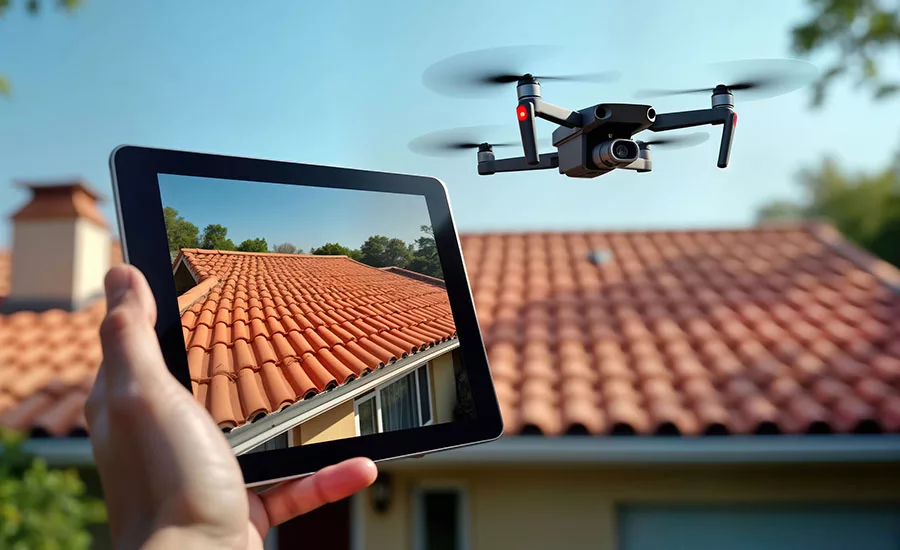
3. Drone Inspections with On‑Board Damage Detection and Instant Roof Reports
What it is: Autonomous drones that fly preset routes, capture 4K-plus thermal imagery, and run computer vision‑ models to label hail hits, wind uplift, or missing shingles — then auto-generate PDF reports for adjusters.
Why it matters: Crews no longer risk slips on steep roofs or brittle tiles. You can inspect large commercial roofs in minutes instead of hours and still pick up tiny defects you might miss by eye.
Where it cuts costs / saves time: Faster inspections free up crews for more paying work. Automated measurement cuts down the hours spent hand sketching‑ or re-checking dimensions, which reduces bid errors.
Quick win: Rent or borrow a basic drone package for one residential job. Compare the AI report to your manual notes — you’ll likely see time savings right away.
4. AI-Powered Estimating and Job‑Cost Analysis for More Accurate Bids
What it is: AI roofing software pulls in live material prices, your historic labor rates, and the roof measurements to build a line-item‑ quote in seconds. It can flag spots where you usually over- or undercharge.
Why it matters: Accurate, fast quotes impress customers and help you beat slower competitors. They also protect your margin by preventing the “oops” items you forgot to charge for.
Where it cuts costs / saves time: Less back ‑and forth with the office to update prices or chase down missing parts of the bid. Fewer change orders later, because‑ the numbers were right the first time.
Quick win: Take the last 10 jobs you finished and run them through an estimate checker. See where your real costs differed from the original quotes; tweak your pricing accordingly. The effectiveness of AI really comes down to the data you feed it. The more data, and the better the data, the more effective these tools are for your specific business needs.
5. Smart Scheduling and Route Planning
What it is: An AI planner mixes crew skills, local traffic, weather forecasts, and material drop‑ times to build the best job schedule for each day. If a thunderstorm pops up, it automatically shifts the calendar and sends updates to homeowners.
Why it matters: Crews spend more time working on roofs and less time stuck in traffic or waiting on supplies. Customers appreciate accurate arrival windows and quick weather reschedules.
Where it cuts costs / saves time: Lower fuel bills, higher crew productivity, and fewer angry calls from homeowners about being late (or no-shows!).
Quick win: Let the planner build tomorrow’s route. Compare it to the route you would have planned by hand; track drive times and on-site hours for one week.
6. Predictive Maintenance and Subscription Service Plans
What it is: AI combines roof age, local storm history, and previous repair data to guess when a roof is likely to leak. It can send reminders or auto-generate service plan offers before problems start. Offer this as a part of a maintenance subscription plan for homeowners and businesses.
Why it matters: Instead of waiting for emergency leaks, you establish recurring revenue through check-ups and minor repairs. That keeps crews busy in slow seasons and builds customer loyalty.
Where it cuts costs / saves time: Emergency callouts are expensive and stressful. Planned maintenance visits are faster, safer, and easier to staff.
Quick win: Filter your customer database for roofs five years old or more. Send each owner a friendly email offering a low-cost “roof tune-up” before the next storm season.
7. Site Safety and Compliance Monitoring
What it is: Small cameras or wearable sensors watch workers and send instant alerts if someone forgets a harness, steps near an unprotected edge, or shows signs of heat stress.
Why it matters: On-site accidents can cost thousands in medical bills, fines, lawsuits, and schedule delays. Real-time warnings help stop accidents before they happen.
Where it cuts costs / saves time: Fewer injuries mean lower insurance premiums and less downtime. You also avoid OSHA penalties and project slow‑downs.
Quick win: Install a single smart camera at the ladder point. If it spots a worker climbing without safety gear, it pings the supervisor’s phone.
8. Smart Roof Sensors (IoT)
What it is: Thin, wireless sensors stick under membranes or tiles. They measure moisture, temperature, and movement, then send automatic alerts to your phone or computer. This can also be included in a regular maintenance subscription plan.
Why it matters: Hidden leaks can destroy insulation and decking long before stains appear indoors. Early detection lets you fix small issues before they become expensive tear-offs.
Where it cuts costs / saves time: You avoid emergency repair premiums, mold remediation, and client complaints. Scheduled fixes are far cheaper than urgent weekend calls.
Quick win: Offer a sensor add-on for every new flat roof‑ install. Promise a free first-year monitoring report to sweeten the deal.
9. Customer Visualization with AR or 3D Models
What it is: Scanning a house with a drone, phone, or tablet turns the building into a 3D model. Homeowners can swap shingle colors or metal profiles in augmented reality to see exactly how the new roof will look.
Why it matters: Visual proof helps customers choose faster and feel confident. That reduces indecision and cuts down on “Sorry, I changed my mind” calls after materials are ordered.
Where it cuts costs / saves time: Shorter sales cycles and fewer material restocks or returns keep overhead low.
Quick win: Add a QR code to your quotes. When homeowners scan it, they can preview color options on their own roof before signing.
10. Supply Chain and Price Forecasting
What it is: AI watches supplier data, shipping trends, and raw material markets. It alerts you days or weeks before shingles or metal prices jump.
Why it matters: You can order materials early or adjust your quotes before a price hike eats your profit.
Where it cuts costs / saves time: Pre-buying saves on rush shipping fees and keeps projects on schedule when shortages hit. Combine this with the rest of the predictive AI analysis listed above, and your material orders will be efficient and accurate to maximize your cost of goods budget.
Quick win: Set up a weekly email alert that compares current shingle prices to the previous week. If you see a steady climb, order staple items in advance.
11. Automated Insurance Claim and Regulatory Paperwork
What it is: An AI text engine pulls data from your inspection photos and scope notes. It fills out claim forms and local permit applications automatically, leaving only a quick review for you.
Why it matters: Faster paperwork means faster approvals and payouts. Homeowners appreciate a contractor who “handles the red tape.”
Where it cuts costs / saves time: Office staff spend minutes—rather than hours—per claim. Jobs start sooner, so crews aren’t waiting around.
Quick win: After your next storm inspection, drop the photos and notes into an auto‑form generator. Compare its draft to the form you’d normally write by hand.
Start Deploying Roofing AI Tools In Your Business Today
Whether you’re a local residential roofing business or a 12-state commercial powerhouse, AI is already reshaping how roofs are sold, built, and serviced. The contractors who test small pilots today will own the playbooks tomorrow.
Here’s your homework: Pick one use case above, run a 30-day trial, measure the results, and let the numbers guide your next investment.
More and more AI roofing tools and use cases will appear in the next several years, and these current formats will continue to rapidly evolve and improve.
Remember, it’s not about where the technology is at right now — but where it’s heading, and how fast it’s going to get there. Get in the habit of testing and exploring new tools, as this one habit can result in millions of dollars in profit created for your business in the long run.
Looking for a reprint of this article?
From high-res PDFs to custom plaques, order your copy today!