Labor Classification
DOL Rule Changes How Roofers Classify Subcontractors
New federal standard places greater weight on worker independence and employer control when determining employment status
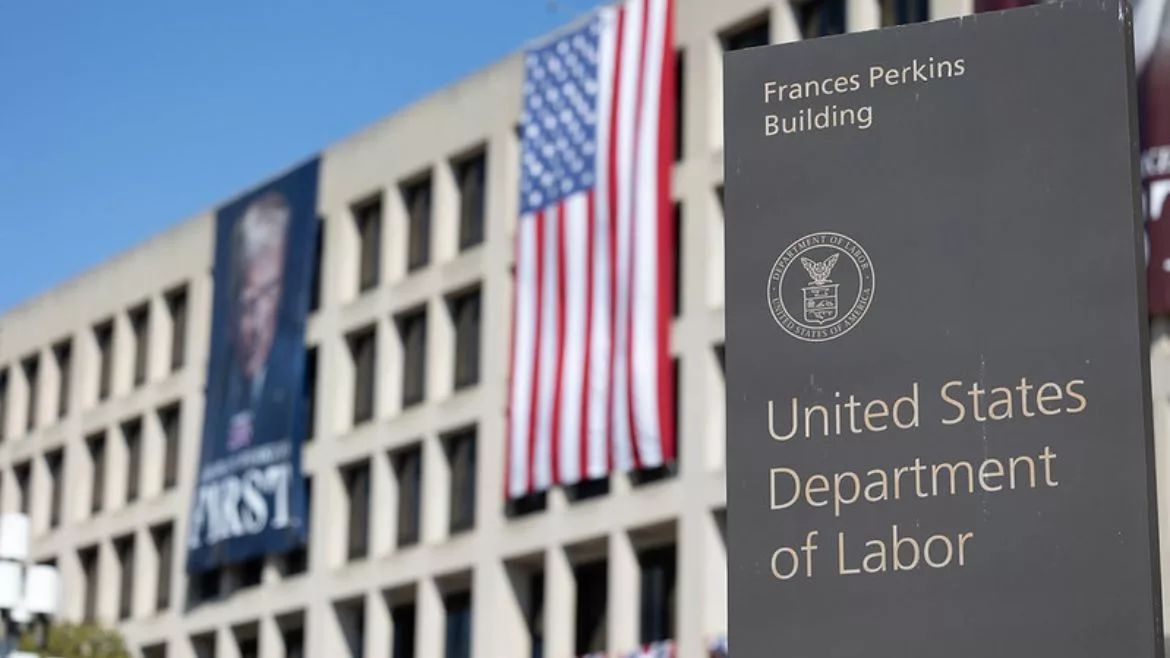
The U.S. Department of Labor has finalized a new rule governing how businesses classify employees and independent contractors, a change that could affect roofing companies that rely on subcontracted installation crews.
Announced Nov. 19, the rule rescinds regulations adopted in 2024 and replaces them with a framework substantially similar to one established in 2021 under the Fair Labor Standards Act.
The revised standard uses an "economic reality" test to determine whether a worker operates an independent business or is economically dependent on an employer. Two factors carry particular weight: the degree of control a company exercises over the worker and the worker's opportunity for profit or loss based on business initiative or investment. For roofing contractors, those distinctions could matter when hiring independent installation crews, especially those that work regularly for the same company. The rule also considers the permanence of the working relationship, specialized skills and whether the work is part of an integrated production process.
Under the new framework, requiring subcontractors to comply with safety standards, meet deadlines or satisfy quality requirements does not automatically establish an employment relationship. However, the actual working arrangement carries more weight than the terms of a subcontractor agreement.
The rule does not override state worker-classification laws or change requirements under other federal statutes, including the Internal Revenue Code.
Roofing contractors using independent crews may need to evaluate their existing arrangements to ensure workers meet applicable classification standards.
Looking for a reprint of this article?
From high-res PDFs to custom plaques, order your copy today!