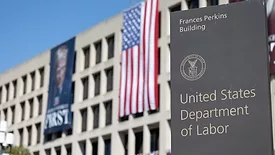
The Labor Department awarded $65 million to community colleges to expand short-term workforce training, including programs targeting construction and the skilled trades.
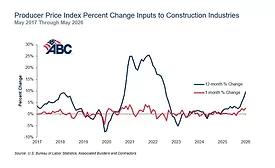
Los costos de los materiales de construcción registraron un crecimiento cercano al 10% anual, impulsados por el aumento en los precios de la energía, el acero y otros insumos.
Construction input prices climbed 9.6% year over year in May, driven by rising energy costs and continued increases in steel, copper and other tariff-sensitive materials.
Construction material prices rose nearly 10% from a year ago as higher energy, steel and copper costs added pressure on contractors and project budgets.
New Workforce Pell Grants could help roofing contractors recruit and train entry-level workers more quickly as labor shortages continue to strain crews, schedules, and growth.
The Labor Department introduced new tools to help U.S. companies assess supply chain risks, identify labor abuses abroad and comply with laws banning forced labor imports.
Proposed rule would reinstate a streamlined economic reality test, with construction groups praising the shift and officials opening a 60-day public comment period.
The proposed rule would restore a streamlined economic reality test, with officials and industry groups citing clarity and flexibility for employers and independent workers.
The U.S. Department of Labor’s Wage and Hour Division introduced new webpages, videos and updated toolkits to help employers comply with federal labor laws
New compliance resources aim to help employers understand labor law obligations, prevent violations and resolve wage, overtime and FMLA issues proactively.