Líderes del techado impulsan políticas en Washington, abordando mano de obra, vivienda y economía, con optimismo cauteloso ante la incertidumbre del sector.
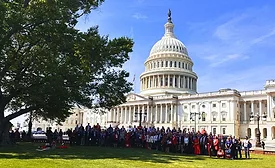
At Roofing Day in D.C., industry leaders met lawmakers to address workforce shortages, affordability challenges and economic uncertainty shaping contractors’ outlook for the year ahead.
Leaders met lawmakers in D.C during Roofing Day 2026, urging action on housing tax credits and workforce reforms they say are critical to closing a growing housing shortfall.
The Labor Department is seeking a national contractor to expand AI training in apprenticeship programs, aiming to modernize workforce development and meet growing industry demand.
The Labor Department proposed updates to visa wage rules, aiming to align foreign worker pay with U.S. rates and reduce incentives to undercut domestic wages.
Associated Builders and Contractors called for repeal of federal PLA mandates and workforce visa reform following President Trump’s 2026 State of the Union address.
Legal Insights Expert Trent Cotney and Michele Meier, general manager at Clear Choice Restoration, say the proposed Dignity Act could create a structured legal pathway for undocumented workers, offering much-needed workforce stabilization for construction trades facing mounting labor shortages.