News Analysis
The Effects a Government Shutdown Has on Roofing
Shutdown may impact OSHA enforcement, E-Verify and federal projects
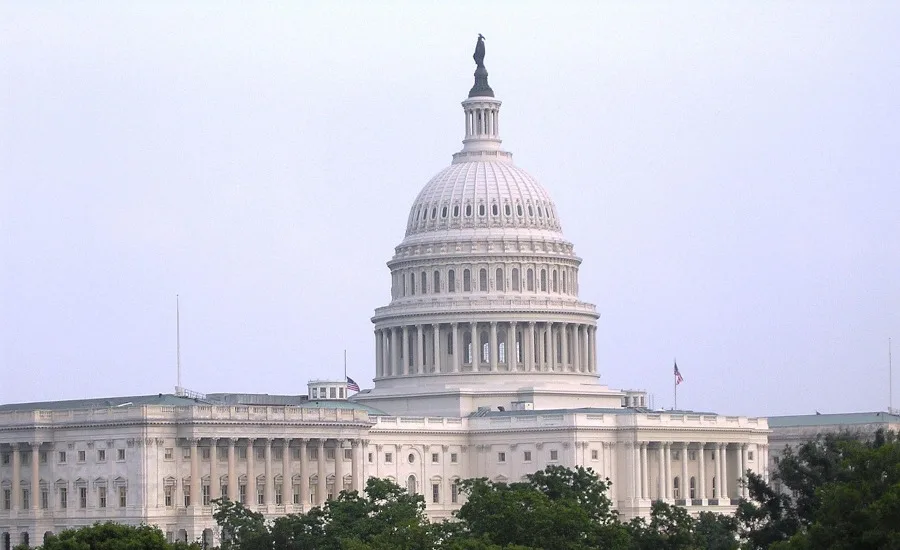
As the federal government's shutdown continues, the risk that it will hurt the roofing industry grows with each passing day.
The shutdown has been in effect since Oct. 1 after Republican and Democratic congressional leaders failed to reach an agreement on extending government funding.
Two proposals, one from Republicans and one from Democrats, failed to pass on Oct. 6, extending the stalemate. The House won’t return until Oct. 13, leaving it to the Senate to work out a deal. The shutdown won’t end until Congress passes and President Donald Trump signs a continuing resolution to maintain government operations at existing levels. It could also end if appropriations legislation sets new spending levels for federal agencies.
A short shutdown will have rippling but minor effects on roofing. A longer shutdown, lasting more than a few weeks, could result in significant impacts.
Effects on Roofing
The biggest impact will be felt on federal contractors and subcontractors, mainly due to federal construction projects being delayed and a lack of federal services and supervision. That doesn’t mean the rest of the industry won’t notice disruptions.
The Department of Labor will likely stop processing foreign labor certifications for employers under the H-2B program. Meanwhile, the department’s Occupational Safety and Health Administration’s enforcement and investigation capabilities are substantially reduced.
OSHA will focus on “imminent danger” situations involving threats to safety, life or property and other emergencies. These include fatal workplace accidents. The National Roofing Contractors Association reminds contractors that federal laws and regulations remain in place regardless of reduced enforcement.
The E-Verify database, used to determine whether a worker is eligible to work in the U.S., will be unavailable during the shutdown. As such, contractors won’t be able to check their employees’ or new hires’ status. This mainly affects contractors working on federal projects or those compelled to use E-Verify by state law.
According to the National Association of Home Builders, the Small Business Administration will not initiate new loan guarantees during the shutdown. Disruptions with the IRS could also cause delays in certain mortgage application approvals. Both could slow down new construction.
FHA-insured single-family loans will be endorsed in the near term, while FHA multifamily insured projects with commitments and scheduled closings should move forward, though new firm commitments won’t be issued.
On Oct. 2, the Associated Builders and Contractors issued a statement urging the U.S. Senate to pass the clean continuing resolution, saying it affects everything from small businesses to a lack of information that business owners need to make crucial decisions.
“When the government is shut down, it inflicts widespread harm, including disrupting small businesses, withholding key economic data vital for decision-makers in construction, potentially halting federal judicial proceedings and creating uncertainty for ABC contractors throughout the country,” said Kristen Swearingen, ABC vice president of government affairs. “This includes delays in critical federal infrastructure projects and, ultimately, costs hardworking taxpayers money.”
Why is There a Shutdown?
The shutdown began on Oct. 1 after a short-term funding measure that would’ve kept federal agencies open through Nov. 21 failed.
The crux of the disagreement is healthcare. Democrats are asking for a permanent extension of premium tax credits that help Americans purchase private health insurance through the Affordable Care Act. They also want the restoration of Medicaid cuts Republicans passed this summer through the One Big Beautiful Bill.
Democrats are also demanding assurances that the White House won’t cancel the agreed-upon spending.
Republicans, meanwhile, say that policy issues, such as healthcare, should be considered separately from government funding. The White House has asked Democrats to pass a clean bill to reopen the government, and after that, Republicans will negotiate healthcare policies.
Republicans have also claimed Democrats are demanding free healthcare for undocumented immigrants. However, these migrants are largely ineligible for federal health benefits, such as comprehensive Medicaid or Medicare coverage, and cannot purchase federally subsidized health plans backed by the ACA. There is currently no proposal to provide free healthcare to those in the country illegally.
Following the failed votes on Oct. 6, Trump has expressed a willingness to meet the demand for ACA subsidies.
"If we made the right deal, I'd make a deal, sure," Trump said Monday, according to USA Today.
According to a CBS News/YouGov poll, 39% of Americans blame Trump and Republicans in Congress for the shutdown, while 30% say they blame congressional Democrats. Another 31% blame both sides equally.
Looking for a reprint of this article?
From high-res PDFs to custom plaques, order your copy today!