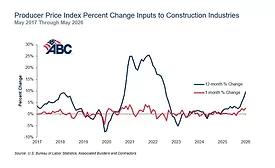
Los costos de los materiales de construcción registraron un crecimiento cercano al 10% anual, impulsados por el aumento en los precios de la energía, el acero y otros insumos.
Construction input prices climbed 9.6% year over year in May, driven by rising energy costs and continued increases in steel, copper and other tariff-sensitive materials.
Construction material prices rose nearly 10% from a year ago as higher energy, steel and copper costs added pressure on contractors and project budgets.
El fútbol es mi deporte menos favorito, y sé que gran parte del mundo no está de acuerdo conmigo. Aun así, la industria del roofing me tiene esperando con entusiasmo el Mundial de este verano. Y estas son las razones.
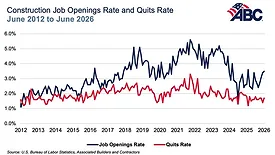
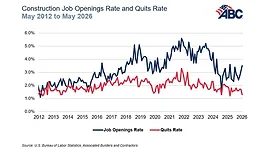
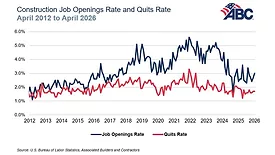
La demanda de trabajadores sigue creciendo en la construcción, pero muchas empresas de roofing continúan teniendo dificultades para cubrir sus vacantes.