5 Common Misconceptions about ES-1 Edge Metal
Why Proper Edge Metal Installation Matters More Than Ever
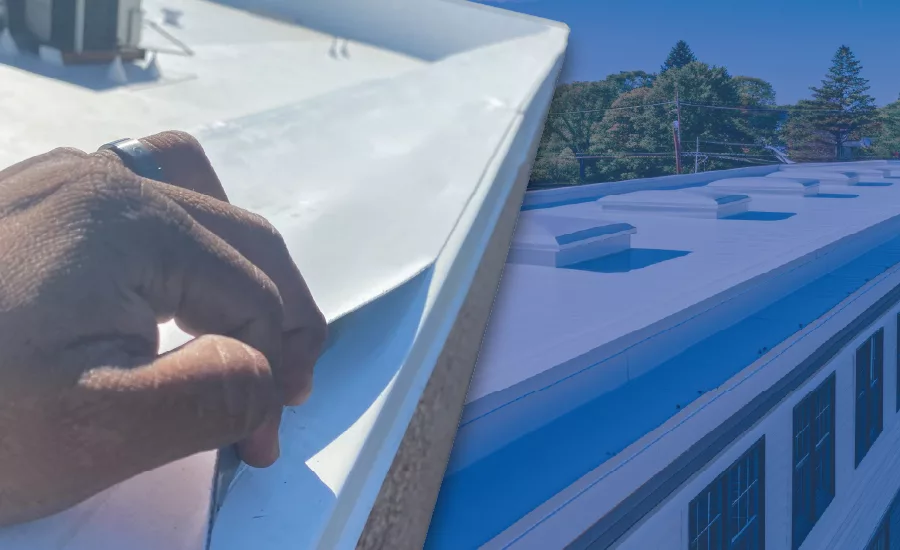
The aesthetic and functional importance of properly installed edge metal systems is well known in the commercial roofing space. The roof perimeter is the most common point of failure for commercial roofs, and edge metal systems provide important resistance to weather-related forces, especially wind. The standard for properly installed edge metal is ANSI/SPRI/FM 4435/ES-1, commonly referred to as ES-1 and is part of the International Building Code (IBC). While many roofing contractors know the standard exists, there are a few misconceptions about its application.
1. The ES-1 Standard only Applies to Projects in High Wind Areas
While ES-1 complaint edge metal is a critical component of buildings in high wind areas, the ES-1 standard applies to all building projects according to the IBC and is often written into local building codes. Establishing a need from architects and designers, edge metal profiles that meet the ES-1 standard and have been tested to determine their capacity to resist applied loads. This testing yields a PSF (pounds per square foot) rating that specifiers can use to ensure the profile meets the requirements of a building location.
From a roofing contractor’s perspective, the key pieces of the process are to buy an edge metal size that is within the parameters tested by the manufacturer, and to install it according to the manufacturer’s instructions. The size and installation instructions will replicate the installed and tested profile of the manufacturer.
2. I Thought Edge Metal is More About Preventing Water Damage
Edge metal is used to seal the roof perimeter and is therefore an important part of water control. Edge metal helps prevent damage to fascia that can be prone to leaks that cause rot, mold, and often structural damage. However, the most common point of failure on the perimeter is caused by wind. Many regions of the U.S. are experiencing more widespread and intense high-wind events, and this is likely to become more prevalent in the next round of code implementation. Using ES-1 complaint edge metal prevents both water damage and wind damage to the building perimeter.
3. ES-1 Compliant Edge Metal Always Requires a Cleat
Some manufacturers have ES-1 compliant edge metal profiles that do not require the use of a cleat. These profiles do require the installation of fasteners to the face of the edge metal, so they might not fit every situation. When the visibility of fasteners on the face of the edge metal is an issue, then the use of a cleat will eliminate the need for these fasteners. Using a cleat, or not, is an aesthetic decision, more than a functional one, since ES-1 compliant profiles rely on the proper installation and size, rather than a cleat requirement.
4. I Thought Only Architects Need to Worry about ES-1 Compliance
While architects and specifiers are an important part of getting ES-1 compliant edge metal installed on a project, roofing contractors are still the critical part of compliance. Specifiers help to calculate the wind forces that might be applied to a particular building and identify the edge metal profiles that will meet those requirements. But, it’s the installation of the edge metal by the roofing contractor that ensures compliance. ES-1 compliant profiles must be installed according to the manufacturer’s installation instructions and only the roofing contractor can do the steps necessary to meet those instructions.
5. ES-1 Compliant Edge Metal is Too Expensive
Depending on the manufacturer, the cost of ES-1 compliant edge metal is not more expensive than non-compliant edge metal. The same profiles are available, but the main difference is in the installation. To be compliant, the edge metal must be installed per the manufacturer’s instructions. This installation matches the ES-1 pull-off testing and thus ensures the accuracy of the PSF rating that simulates a wind-induced failure.
Conclusion
ES-1 compliant edge metal is the IBC standard for buildings. The number of parts of the standard can seem challenging at first, but it really comes down to getting the right tested profile in the right size and installing it exactly to the manufacturer’s instructions. When compared to the costs associated with a blow-off or roof damage, correctly installing ES-1 complaint edge metal can save a lot of headaches and dollars. Plus, it gives the building a nice, aesthetic finish to boot.
Looking for a reprint of this article?
From high-res PDFs to custom plaques, order your copy today!