Associated Builders and Contractors called for repeal of federal PLA mandates and workforce visa reform following President Trump’s 2026 State of the Union address.
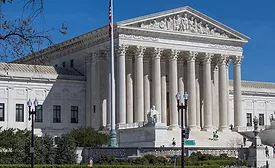
The 6–3 ruling limits IEEPA-based import duties, potentially easing volatility for metal roofing, edge metal, fasteners and accessories—though price relief may lag.
Tariff rollback could steady roofing bids, but distributors must clear higher-cost inventory and officials may pursue new duties under other trade laws.
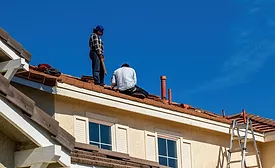
Despite fewer reports from OSHA, the agency still went after roofing contractors in 2025. Find out which contractors faced the stiffest fines this year.
Legal Insights Expert Trent Cotney weighs in on what these changes mean for contractors that are already dealing with increased enforcement and scrutiny
Roofing contractors and business owners already dealing with increased immigration enforcement and its impact on the roofing workforce may have more policies to navigate.
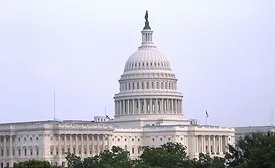
The federal government's shutdown will primarily impact federal contractors and subcontractors, but other contractors will also experience disruptions and a reduction in OSHA enforcement if the shutdown continues.
A tense standoff between protestors and ICE agents attempting to arrest roofing workers in New York shows the growing tension around immigration enforcement that is affecting the roofing industry and its workforce.