Legislation Analysis
NRCA Urges Roofing Professionals to Back Workforce Visa Bill
Trade group mobilizes members to contact Congress in support of bipartisan H.R. 5494 workforce legislation
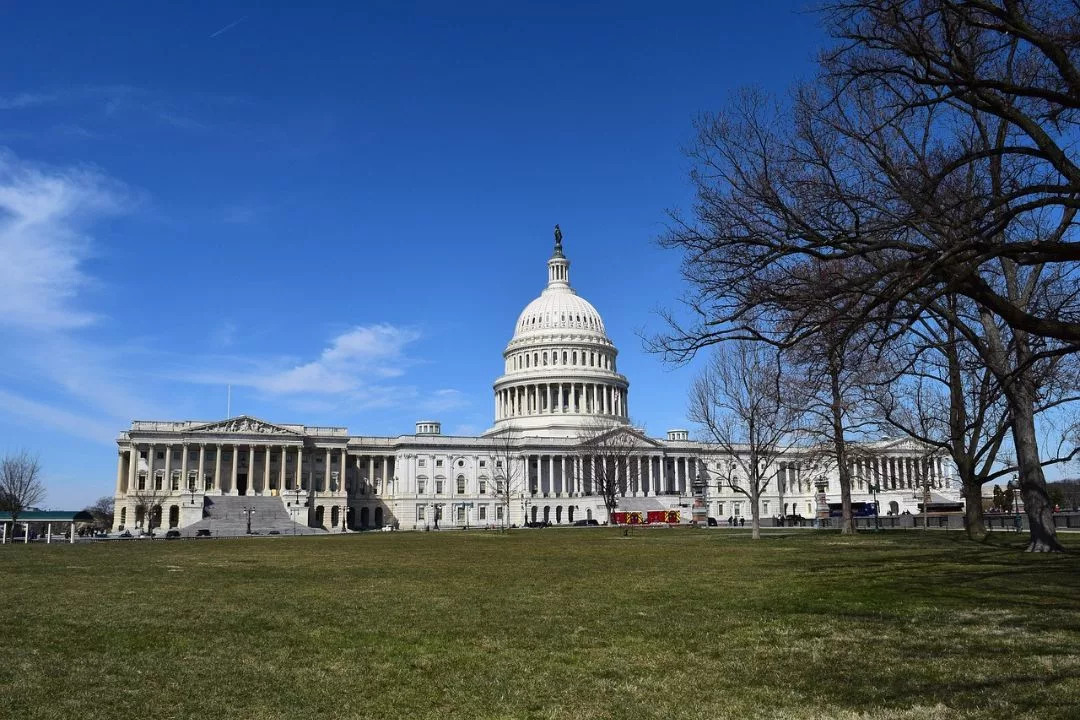
The National Roofing Contractors Association (NRCA) is urging roofing professionals nationwide to contact their representatives in support of H.R. 5494, the Essential Workers for Economic Advancement Act.
The bipartisan measure would create a new H-2C visa program to help contractors fill long-vacant, year-round positions and meet growing project demands. NRCA leaders say the bill offers a practical, long-term fix to the roofing industry’s ongoing labor shortage and have launched an online Grassroots Advocacy Network portal to streamline member outreach to Congress.
NRCA estimates chronic workforce shortages cost the U.S. roofing industry between $9.5 billion and $19 billion in lost annual economic growth. The association warns that the shortage is likely to deepen as the workforce ages, even though roofing jobs provide “family-sustaining wages.” According to the Bureau of Labor Statistics, roofers earned a median annual wage of $50,970 in May 2024, or about $24.50 per hour.
“This legislation will provide a vital resource to meeting the workforce challenges we face today and in the future,” said NRCA CEO McKay Daniels in a September 2025 statement. “We urge Congress to act now to help ensure America’s roofing contractors can continue providing affordable, life-sustaining shelter and support our nation’s economic prosperity.”
Key Provisions of H.R. 5494
The bill would establish a new H-2C visa category for non-agricultural, non-degree occupations (defined in O*NET Zones 1 through 3) located in “full-employment areas” with unemployment rates at or below 7.9 percent.
Employers must demonstrate recruitment efforts for U.S. workers and register open positions with the Department of Homeland Security (DHS), which must maintain a publicly accessible registry. Participating firms must use E-Verify to confirm legal employment status.
The program would start with a 65,000-visa cap in its first year. In subsequent years, DHS could adjust the number between 45,000 and 85,000 based on demand and application rates. At least one-quarter of each allocation would be reserved for small businesses.
Worker protections include whistleblower safeguards, a ban on independent contractor misclassification, and portability, which allows visa holders to change employers after one year with their initial sponsor. Violations—such as wage-and-hour offenses—could lead to employer suspension or removal from the program. H-2C workers would be ineligible for certain federal public benefits, and the Census Bureau would report the program’s impact to Congress.
Industry Support
NRCA describes the bill as containing “balanced reforms critical to sustaining a strong economy while strengthening our security,” citing its expansion of legal workforce options and use of E-Verify.
The U.S. Chamber of Commerce has also endorsed the legislation. Executive Vice President Neil Bradley called it “a significant step toward solving our nation’s labor shortage while protecting the rights of qualified U.S. workers.”
The Associated Builders and Contractors (ABC) praised the bill’s “built-in safeguards to protect both employers and employees.”
H.R. 5494’s bipartisan cosponsors include Reps. Lloyd Smucker (R-Pa.), Mark Amodei (R-Nev.), Juan Ciscomani (R-Ariz.), Henry Cuellar (D-Texas), Don Davis (D-N.C.), Mike Kelly (R-Pa.), Maria Elvira Salazar (R-Fla.), and Tom Suozzi (D-N.Y.), among others.
RELATED: What the Dignity Act of 2025 Could Mean for the Roofing Industry’s Workforce
Labor and Worker Concerns
Labor advocates have voiced caution based on the H-2B visa program, which serves seasonal industries.
The Economic Policy Institute (EPI) reports that wages certified for H-2B workers were up to 24.7 percent lower than national averages for comparable jobs, and that employers in major H-2B industries collectively committed more than $2.2 billion in wage-theft violations between 2000 and 2024.
Union organizations, including the United Food and Commercial Workers International Union and the Retail, Wholesale and Department Store Union, argue that temporary visas risk suppressing wages and working conditions, especially in sectors that already offer stable employment.
These groups advocate for expanded permanent-resident (green-card) pathways instead of new temporary programs, contending that permanent status would better protect worker rights and bolster local economies.
Supporters counter that H-2C’s added safeguards—E-Verify, DHS oversight, transparency, and anti-misclassification rules—address many of the shortcomings seen in older visa categories.
NRCA’s workforce advocacy echoes broader bipartisan immigration reform efforts such as the Dignity Act, which also seeks to create legal, regulated pathways for essential workers.
Looking for a reprint of this article?
From high-res PDFs to custom plaques, order your copy today!