Editor's Note
5 Things Roofing Got from Tesla’s Solar Roofs
Elon Musk pulled the plug, but a decade of Tesla’s Solar Roof has left a lasting impression on the roofing industry
Key Takeaways
- Tesla discontinued its Solar Roof, ending a decade-long push to bring integrated solar roofing into the mainstream.
- Tesla helped reposition roofing as a high-tech, premium product while accelerating solar-roof innovation across the industry.
- Contractors can still build on that momentum by combining roofing, solar and energy-storage solutions for homeowners.
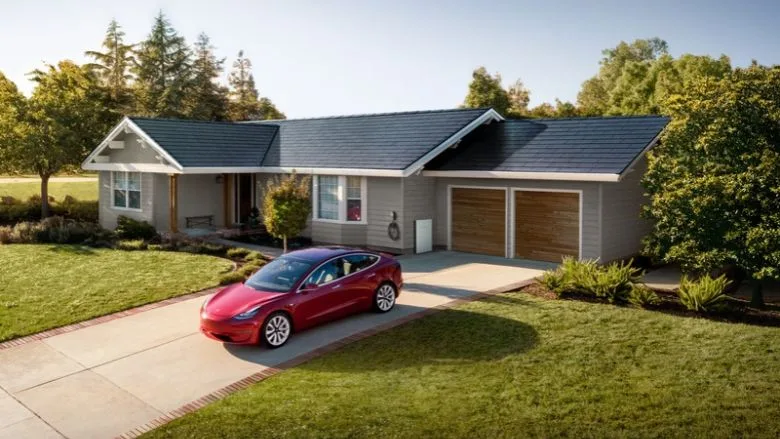
Tesla burst onto the roofing scene in 2016 with the controversial, well-publicized merger/rescue of SolarCity, and promised to reshape roofing in the 21st Century.
In some ways it has, whether through bringing disruptive change to a roofing vertical with tremendous potential, or generating buzz for what otherwise became a stagnant technology for roughly a decade. That made Tesla’s announcement in August that it was discontinuing its Solar Roof tiles because the product was financially and logistically unviable all the more disappointing.
Perhaps it should not be unexpected. While Tesla continues making money largely through its automotive wing, it’s no longer making as much money as it used to, which created a problem for company decision-makers.
Citing high costs, reliability issues, and production shortfalls, Tesla opted out of roofing altogether, leaving several roofing contractors that installed the high-end product around the country with many questions. At the time of publication, Tesla ceased taking orders, removed roof tiles from its website, and redirected traffic to its standard solar panel products.
From a roofing contractor's perspective, Tesla’s entry into solar roofing over the past decade brought integrated photovoltaics from the niche fringes of the building world to the kitchen table. It became an experiment that brought solar roofing to the mainstream industry conversation. While the company’s execution and partnership models faced challenges, Tesla's involvement in the industry provided several distinct benefits to the broader roofing trade. Here are a few things to think about:
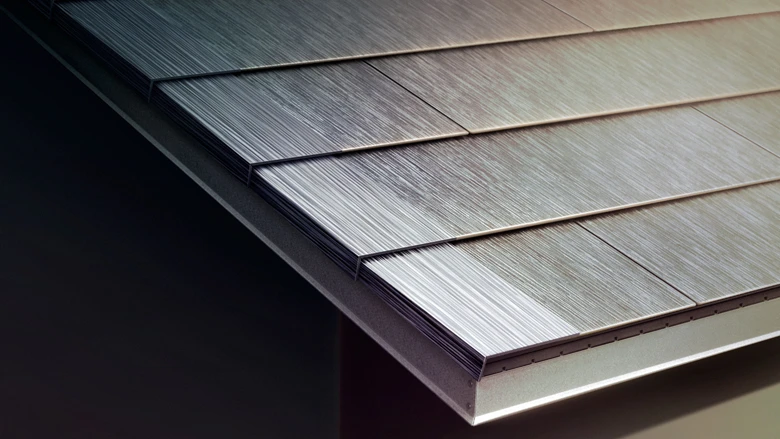
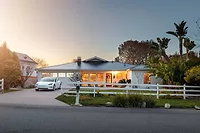
Photo: Tesla
1. Tesla Elevated Roofing to High-Tech
Roofing and technology often go hand in hand in today’s marketplace, but few tech companies generated the buzz Tesla did by turning roofing from an essential commodity into a high-margin tech product when its Solar Roof launched.
Historically, homeowners viewed residential roofing as a necessary evil—a purchase they only made when an old roof failed or leaked. Tesla upended that perception by marketing the roof as a sleek, resilient and desirable technology upgrade. That allowed roofing contractors to reframe their service offerings as high-end "luxury" products in the renewable energy space.
2. Disruption Spurs Innovation
Known for his disruptive approach to business, whether in transportation, information, or space exploration, Tesla Founder Elon Musk stayed true to form in roofing. The notion of turning heavy, bulky, and awkward-looking solar panels into an aesthetically pleasing, futuristic design that helped the environment was a welcome fix.
Industry giants that dabbled in solar products for years — like GAF and CertainTeed – paid attention. Both made significant investments in reframing their solar energy approach and designs within five years of the Solar Roof’s debut. Both now offer integrated photovoltaic shingles of their own with Timberline Solar and CertainTeed Solar to innovate rapidly.
3. Overcoming Aesthetic Hurdles
I shouldn’t understate it: before Tesla, building-integrated solar panels were often bulky, fragile, or visually unappealing. Tesla’s glass-tile engineering, hidden wiring, and dummy matching tiles that created a uniform, edge-to-edge roof look were a game changer.
The innovation also gave roofing contractors easier-to-install, nail-gunnable solar shingles that install like traditional roofing products rather than requiring specialized racking and electrical setups.
4. Forced Alignment Between Roofing and Solar Trades
For years, the massive rift between roofers and solar installers gave HVAC technicians envy. I’ve heard so many ‘horror’ stories about how solar contractors frequently drilled directly into existing roofs, compromising flashing and voiding roofer warranties. Meanwhile, roofers often regarded solar arrays like the Plague, with many refusing to touch any solar equipment because of safety and liability concerns.
Tesla helped validate the roofer’s crucial role in solar installations by requiring a full roof replacement to install its integrated solar system. Traditional roofing companies trained in-house electricians or forged strategic partnerships with local solar installers, capturing revenue that previously went untapped.
5. Increased Consumer Awareness
Selling a complete roof replacement to homeowners only midway through the roof’s traditional lifespan used to be a tough sell. The value proposition that energy savings could offset the roof cost over time helped recalibrate the cost conversation. Roofing contractors that will still install solar, those adding metal offerings, and coatings contractors will all continue to benefit.
Maybe Tesla’s foray into roofing will be seen as little more than a fad, or a timely trend, when energy-saving incentives occupied people’s business models and politics. But I believe roofing contractors gained a useful tool and a compelling pitch: they could provide a comprehensive solution combining roofing, solar, and home battery systems —and charge a premium for it. That alone may have made Tesla’s Solar Roof a worthy experiment whose lasting impact and influence remain unknown.
Looking for a reprint of this article?
From high-res PDFs to custom plaques, order your copy today!

.webp?height=740&t=1781278983&width=auto "KEE(2).png")