Solar Roofing
Tesla Solar Roof Exit Leaves Contractors Facing Costs, Service Questions
Certified installers weigh stranded investments, warranties and what comes next for integrated solar roofing

Adam Yost’s company had customers deep into evaluating Tesla’s Solar Roof for major roofing and energy projects when Tesla pulled the plug and stopped selling the system. Now, Elevated Roofing & Siding is working through these opportunities one by one, determining whether the remaining inventory can complete them or whether homeowners need to consider another roofing and solar system.
Dayton, Ohio-based Elevated Roofing & Siding is among the contractors confronting what Tesla’s exit means for their business: investments in specialized training, Solar Roof opportunities still in the pipeline, and the service needs of customers whose roofs are expected to remain in place for decades.
Tesla's broader solar business had been contracting for years before the company discontinued Solar Roof. Tesla reported 223 megawatts of solar deployments in 2023, down 36% from 348 megawatts the previous year. Tesla’s solar products include conventional solar panel systems and Solar Roof, which replaces a home’s roof with photovoltaic glass roof tiles. By the first quarter of 2024, the company had stopped providing a specific solar deployment figure in its quarterly report, saying only that growth in its energy generation and storage business was being partially offset by declining solar deployments. At the same time, Tesla's energy-storage business was expanding rapidly, with storage deployments reaching a then-record 4.05 gigawatt-hours in the first quarter of 2024.
Contractors interviewed by RC said Tesla has notified installers that it will no longer accept new Solar Roof orders. Several said the company has indicated that existing installations will continue to receive warranty and service support, though contractors expressed varying levels of confidence in what that support will look like years from now.
For roofing companies that committed to the program, Solar Roof was considerably more involved than adding another roofing manufacturer to their product lineup.
“The investment was significant, but the biggest investment wasn't simply equipment,” said Yost, who is chief technology officer at Elevated Roofing & Siding. “It was training, learning an entirely different roofing and electrical system, developing estimating and sales processes around the product, educating our crews, working through permitting and utility requirements, and building the capability to sell and install a product that is much more complicated than a conventional roof.”
“For us, becoming a Solar Roof installer isn't like adding another shingle manufacturer,” Yost said. “It was essentially adding an entirely new trade.”
Contractors Rework Their Pipelines
Yost said Elevated Roofing & Siding had active Solar Roof opportunities when Tesla announced the change. The contractor is reviewing those projects individually and determining whether any can still be completed with remaining product. For customers whose projects cannot proceed, the company is discussing conventional roofing paired with Tesla solar panels, standing-seam metal roofing with solar, and other premium roofing systems.
Greg Field, owner of PGT Home Energy Solutions in Tempe, Ariz., described a similar situation. He said projects without secured Solar Roof material will need to be converted to conventional photovoltaic systems or canceled, potentially requiring contractors working on luxury custom homes to redesign projects or inform customers that the product they selected is no longer available.
However, not every contractor was significantly affected.
Doug Vernon, co-owner of Tucson-based Saguaro Solar, Electric & Roofing, said his company's business has primarily centered on conventional Tesla solar panels and Powerwall battery systems, leaving it without active Solar Roof projects that were affected by the discontinuation.
A Costly Product to Master
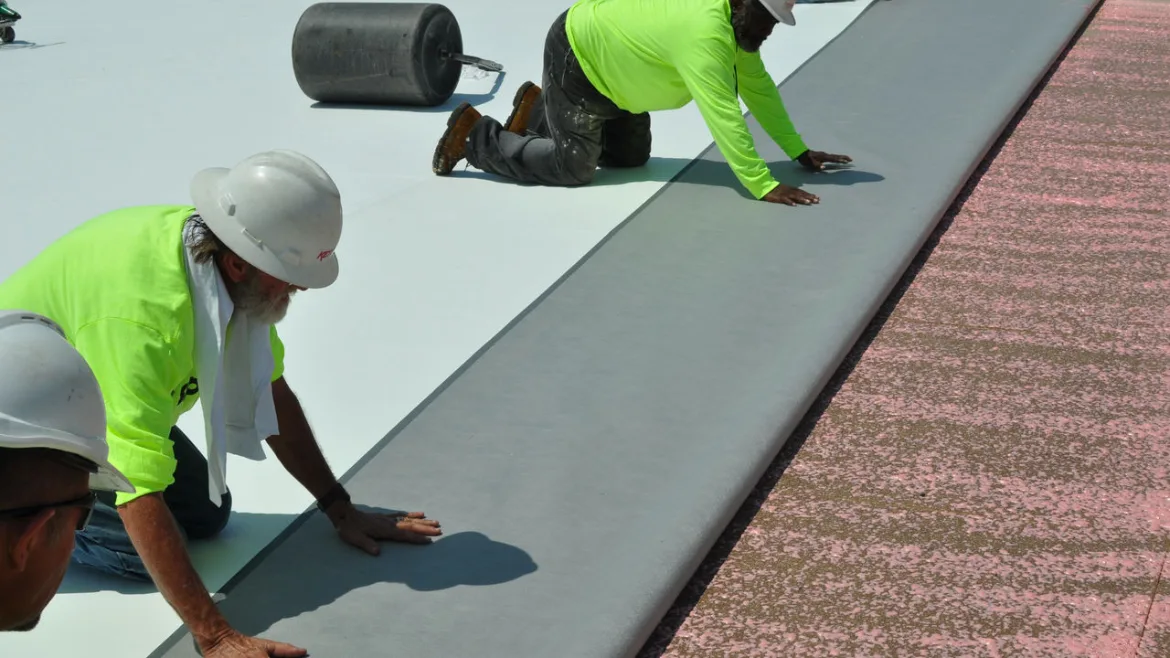
The investment required to enter Tesla's roofing program could be substantial. Field said installers needed crews capable of handling roofing work as well as the electrical complexity of integrated glass tiles, complicated flashing transitions, and specialized equipment. He estimated that conventional rack-mounted solar installations could be completed in about two days, while Solar Roof projects could require two weeks or longer.
Ryan Westfall, president of Florida-based Westfall Roofing, considered joining Tesla's installer network but ultimately decided against it. He recalled that Tesla required his company to send a crew and foreman to the West Coast for training that he believed lasted about two weeks, with the contractor responsible for the associated costs. Tesla's barrier to entry was also unusual for a roofing manufacturer, according to Westfall. His company was told it would have to sell and install three Solar Roof projects before becoming a certified installer.
“That requirement alone made it a significant commitment for a roofing contractor to get into the program,” Westfall said. “It wasn’t simply a matter of taking a training course and being able to offer the product; there was an investment in learning the system, selling the jobs, and completing the installations before becoming certified.”
Westfall ultimately stopped pursuing certification, in part because of concerns about roof transitions and future maintenance.
Warranty Support Becomes the Bigger Question
For contractors, Tesla's decision also raises an issue that extends well beyond the remaining sales pipeline: Solar Roof customers purchased roofing systems expected to remain on their homes for decades.
Tesla has told Elevated Roofing & Siding that it intends to continue supporting existing Solar Roof systems, including warranty and service obligations, Yost said.
“A homeowner who bought a Solar Roof didn't buy a disposable technology product,” he said. “They bought a roof that's supposed to be on their house for decades. Long-term parts and service support has to reflect that.”
Vernon said Tesla has told his company that it will honor warranties and that replacement parts will remain available.
“My company, and I suspect most others, will continue to offer maintenance for these systems as long as parts remain available,” he said.
Field was less confident about the transition. He characterized Tesla's communication and support during the phase-out as minimal and questioned how easily contractors will be able to obtain storm-damaged or replacement tiles five or 10 years from now. He said servicing the system can be labor-intensive.
Aaron Nichols, a spokesperson for Exact Solar in Longmont, Colo., said his company services systems installed by other companies and will continue helping Solar Roof owners who contact it. But he said Solar Roof systems are substantially harder to troubleshoot than conventional rooftop solar because of the number of individual electrical connections.
“It will be a much higher labor cost for anyone who needs help,” Nichols said.
Technology Needs to Catch Up
Despite Tesla's exit, the contractors and roofing industry professionals who shared their insights with RC stopped short of declaring building-integrated photovoltaics a failed concept.
“Integrated solar products are still exciting, but honestly, we’re just not quite there yet, as Tesla exemplified with their tiles,” Vernon said. “The foundational knowledge is there, but the execution needs to catch up.”
Yost said Tesla's decision has not changed his company's belief in rooftop solar or eliminated demand for systems that generate electricity without the appearance of rack-mounted panels. Instead, he said it changes how the contractor evaluates the companies that develop proprietary systems.
Todd Miller, president of Isaiah Industries and Classic Metal Roofing Systems in Ohio, said Tesla's early challenge was treating Solar Roof principally as a solar technology rather than recognizing the complexities of being in the roofing business.
“I feel that a mistake Tesla made with their Solar Glass roof is it took several years for them to accept the fact they were in the roofing business and happened to be selling a solar roof,” Miller said.
Miller believes other solar shingles can still occupy a specialty segment of the roofing market, particularly when integrated into premium metal, tile or slate roofs.
For contractors considering the next generation of integrated products, Tesla's experience may ultimately leave a different lesson.
“I don’t think Tesla’s decision necessarily means the concept itself doesn’t work,” Westfall said. “But it does reinforce how important it is for contractors to consider the long-term support, availability of materials and stability of the manufacturer before investing heavily in a proprietary roofing system.”
Looking for a reprint of this article?
From high-res PDFs to custom plaques, order your copy today!