Legally Speaking
Rewards and Risks of Alternative Roofing Materials
Roofing contractors sought alternatives during the recent supply chain challenges followed by record inflation. Was it at a price?
4 MIN READ
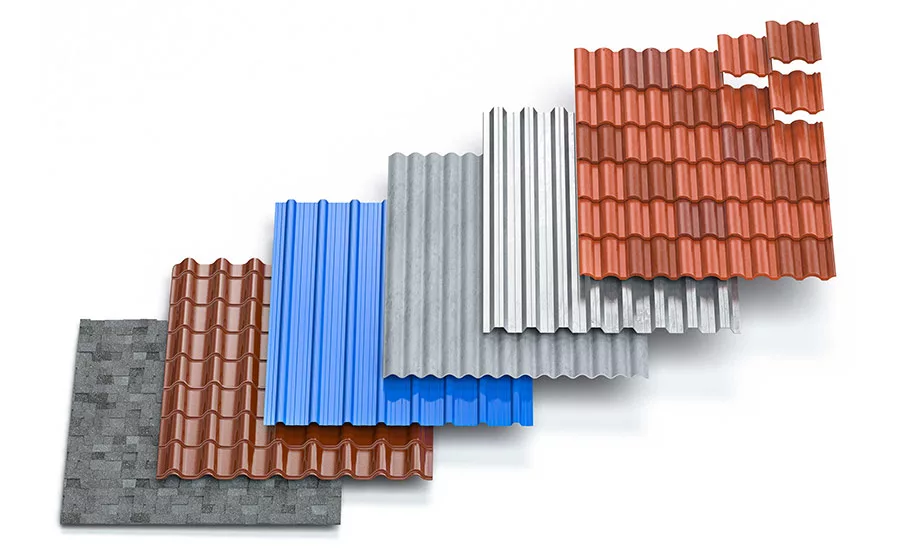
For decades, conventional roofing materials such as concrete tiles and asphalt shingles have reigned supreme, prized for their affordability and widespread availability. However, supply chain disruptions and inflationary pressures have made it increasingly difficult for the roofing industry to obtain these essential materials crucial for construction projects.
As the sector contends with escalating expenses and logistical complexities, alternative roofing materials are garnering greater attention. These alternatives encompass a wide range of options, such as composites, recycled materials, and innovative technologies like solar tiles and living roofs (also known as green roofs).
Benefits of Alternative Roofing Materials
One of the primary drivers behind the consideration of alternative roofing materials is the desire for sustainability. Traditional roofing materials often have significant environmental disadvantages, such as high energy consumption during production and limited recyclability. In contrast, alternatives like metal roofing and living roofs offer improved eco-friendliness.
Composed of recyclable materials like steel or aluminum, metal roofing offers a longer lifespan and can be recycled at the end of its use. Living roofs featuring vegetation layers provide natural insulation, absorb rainwater, and alleviate the urban heat island effect. Embracing these sustainable options aligns with the growing emphasis on environmental responsibility and can contribute to green building certifications.
Furthermore, alternative roofing materials can offer enhanced durability and resilience, lessening the perils associated with extreme weather events. With climate change leading to more frequent and severe storms, homeowners and businesses increasingly seek roofing solutions that can withstand such challenges.
Materials like synthetic slate and clay tiles mimic the aesthetics of traditional options while offering superior resistance to wind, hail, and fire. Investing in these resilient alternatives can provide long-term cost savings by reducing the need for frequent repairs and replacements, particularly in areas prone to adverse weather conditions.
Types of Alternate Roofing Materials
- Recycled Materials: One of the most sustainable options, recycled roofing materials are often made from reclaimed wood, rubber, or plastic. These materials offer environmental benefits by reducing waste and minimizing the need for virgin resources. Currently, their availability can be limited, and their quality may vary based on the source and manufacturing process.
- Solar Tiles: With the growing emphasis on renewable energy, solar roofing tiles have emerged as a dual-purpose solution for homeowners. These photovoltaic tiles integrate seamlessly into the roof structure, harnessing sunlight to generate electricity while protecting from the elements. Upfront costs of solar tiles can be significant; however, incentives such as tax credits and energy savings can offset the initial investment over time.
- Living/Green Roofs: This approach is gaining popularity as an eco-friendly roofing solution. By incorporating vegetation and soil layers, living roofs offer insulation benefits, reduce stormwater runoff, and improve air quality. While the installation costs can be higher than conventional roofing systems, the long-term environmental and energy savings make living roofs a compelling option for sustainable construction projects.
- Composite Roofing: Composite materials, such as synthetic slate or shake, provide the aesthetic appeal of traditional roofing materials with enhanced durability and longevity. Composite roofing offers excellent resistance to weathering, pests, and fire and is made from a combination of polymers, fibers, and other additives. While initially more expensive than some traditional options, composite roofing can provide long-term cost savings through reduced maintenance and replacement needs.
Accessing Risks
While these substitutes present enticing advantages, they are not without their share of drawbacks that must be carefully evaluated. Navigating this landscape requires careful consideration of the potential downsides of each alternative roofing material, such as those listed below.
- Cost: While alternative roofing materials may offer benefits such as energy efficiency or eco-friendliness, they can come with higher upfront costs than traditional options. Evaluating the overall lifecycle costs, including installation, maintenance, and potential repairs, helps determine the economic feasibility of using alternative materials.
- Accessibility: Supply chain disruptions have impacted the availability of roofing materials, including alternatives. Builders may encounter delays or difficulty sourcing certain materials, affecting project timelines and budgets. Exploring local suppliers and considering regional materials can help lessen these risks.
- Maintenance: Alternative roofing materials often have unique maintenance needs compared to conventional options. Understanding and budgeting for ongoing maintenance, such as sealant reapplication or vegetation management in green roofs, is essential for optimal, long-term performance.
- Installation Challenges: Some alternative roofing materials require specialized installation techniques, tools, or training. Improper installation can lead to performance issues, construction-related accidents, such as leaks or structural instability, emphasizing the importance of hiring skilled professionals.
- Durability: The performance and permanency of alternative roofing materials can vary widely depending on factors such as climate, installation quality, and maintenance practices. Proper research and due diligence are essential to ensure that the chosen material meets the project's requirements and withstands the rigors of its environment.
- Compliance: Building codes and regulations may impose restrictions or requirements on using alternative roofing materials. Builders must ensure compliance with local ordinances and obtain necessary permits for installation to avoid potential legal issues and project delays. They must also abide by their respective states’ workers' compensation laws should an injury occur.
Despite these drawbacks, the rewards of embracing alternative roofing materials are undeniable, especially in the context of sustainability and resilience. As the construction industry grapples with inflation and supply chain challenges, stakeholders must carefully weigh the pros and cons of various roofing options.
Collaboration between architects, contractors, suppliers, and homeowners is essential to successfully traverse this evolving landscape. By prioritizing sustainability, durability, and proactive risk management, the industry can harness the potential of alternative roofing materials to build resilient structures that withstand the test of time and environmental change.
Looking for a reprint of this article?
From high-res PDFs to custom plaques, order your copy today!
.webp?height=740&t=1781278983&width=auto "KEE(2).png")