Roof Restoration
How One Roofer Helped Schools Save $1.56M
Hygrade Insulators challenged a New Jersey school district's roof replacement plans, demonstrating how restoration can reduce costs while extending the life of existing roofing systems
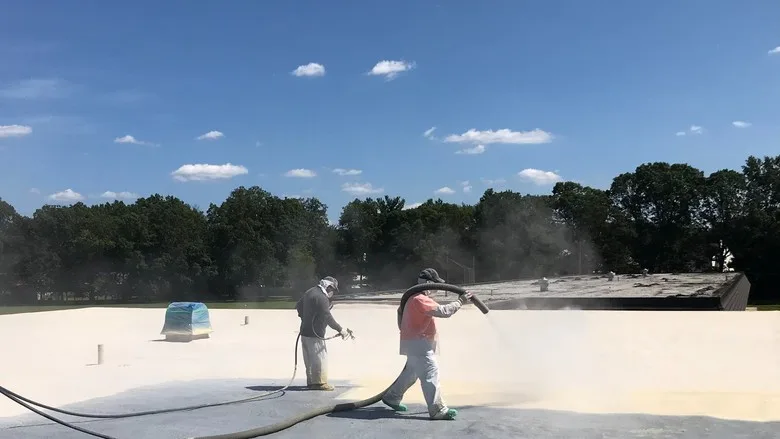
Seven school roofs were headed for replacement. One New Jersey contractor thought there was a better way.
Hygrade Insulators challenged the Edison Township School District's original specifications, proposing spray polyurethane foam (SPF) roofing systems that would preserve much of the existing roofing rather than require complete tear-offs. The alternative represented an estimated $1.56 million in upfront construction savings, or approximately 45%, compared with the original replacement approach.
For Robert Piccione, Jr., whose family founded Hygrade nearly 50 years ago, the projects demonstrate how contractors can create value by questioning whether replacement is necessary in the first place.
Making the Case for Restoration
The opportunity began at a New Jersey school board trade show, where Hygrade representatives connected with the president of the Edison Township Board of Education. The district was planning several roof replacements, but Piccione believed the existing built-up roofing systems could be candidates for restoration.
"We were able to get him to buy into the idea that we might be able to save him money," Piccione said.
Hygrade proposed using an Aquavac process to address moisture in the existing built-up roofing systems, repairing damaged areas and installing SPF and protective coatings rather than removing the entire roof assemblies. The architect overseeing the projects had extensive roofing experience and, according to Piccione, initially favored conventional built-up roof replacement. Working with Carlisle, the roofing system manufacturer involved at the time, Hygrade presented its approach at a school board meeting, explaining the installation process and potential financial benefits.
"If it wasn't for the board president demanding an alternate, just to see what the numbers looked like, it would have died at that meeting," Piccione said.
Minutes from the May 20, 2019, school board meeting show that the Finance and Facilities Committee decided to reject existing bids for Martin Luther King and Washington elementary schools so the specifications could be modified to a foam roofing system and the projects rebid.
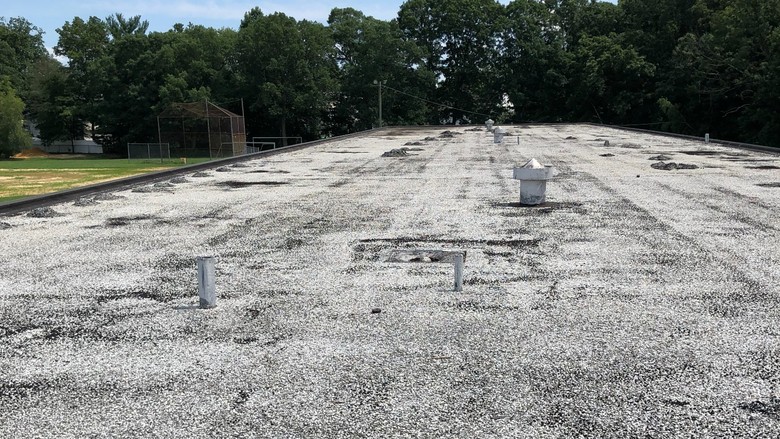
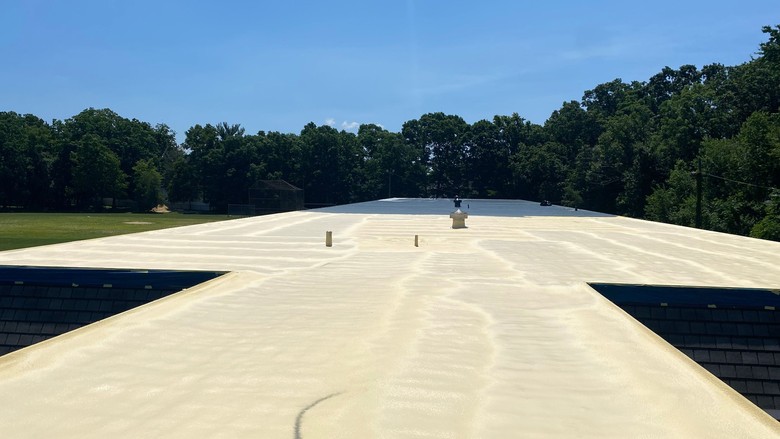
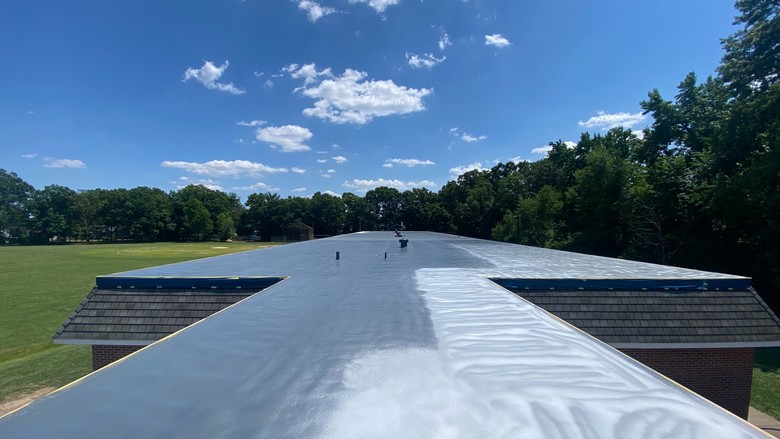
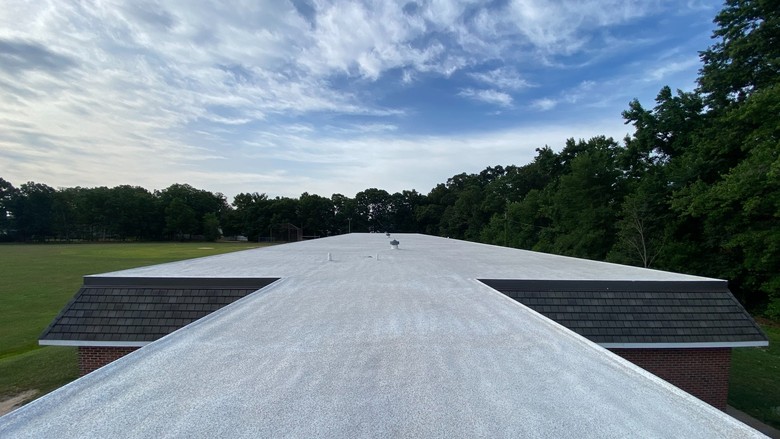
All photos courtesy of Hygrade Insulators.
The district pursued a similar approach at five additional schools in 2020, including Edison High School, Woodbrook School, James Madison Intermediate School, John Adams Middle School and Woodrow Wilson Middle School.
Across the seven projects, Hygrade estimated conventional roof replacement would have cost approximately $3.51 million, based on the lowest bids and estimated costs under the original specifications. Its bids for the alternative SPF roofing systems totaled approximately $1.94 million. The difference was approximately $1.56 million, or 45% in estimated upfront savings.
The two approaches were not identical. Conventional replacement required removing existing roofing materials, while the SPF systems preserved much of the existing assemblies. The comparison reflects bid amounts, not final project costs or long-term savings.
Knowing When Restoration Makes Sense
For contractors, determining whether a roof can be restored begins with understanding its condition.
Piccione said Hygrade starts with a visual inspection, followed by infrared scanning to identify areas of suspected moisture intrusion. The company frequently encounters roofs with relatively limited moisture damage, sometimes affecting approximately 3% to 5% of the total roof area, he said.
He cited a separate middle school project completed in 2026 involving approximately 80,000 square feet of roofing. The owner initially considered replacing the entire roof, but Hygrade's evaluation identified fewer than 500 square feet of wet roofing material, according to Piccione. Instead of replacing the entire assembly, the contractor repaired the affected EPDM areas and installed a restoration coating. The moisture damage represented less than 1% of the total roof area. Still, the decision depends on the existing roof's condition, moisture damage and the owner's long-term needs.
"A spray foam roof is not for every building or every owner," he said.
Building Long-Term Value
For Hygrade, the Edison projects also demonstrated the importance of building relationships with owners and helping them evaluate roofing options before specifications are finalized. A complete replacement may generate a larger contract, but recommending restoration can establish credibility and create opportunities for future maintenance and renewal work.
"You could do a lot of stuff for a school district with that money that you just saved," Piccione said.
Restoration can also change how owners plan for future roofing expenses.
Piccione said Hygrade installs SPF and coating systems that can qualify for manufacturer-backed labor and material warranties of 10, 15 or 20 years. Certain systems can be renewed by inspecting the roof, repairing damaged areas and applying another protective coating. Qualifying systems may receive an additional warranty of up to 15 years, according to Piccione.
The Edison projects began in 2019 and continued into 2020, giving Hygrade several years to evaluate their performance. Piccione said the company has experienced no significant roofing-related callbacks, and Hygrade remains in contact with district facilities personnel. The contractor also participated in roofing work for a later solar project involving about 13 schools, Piccione said. Although the initial savings were substantial, the long-term financial benefits will depend on continued roof performance, maintenance expenses and eventual renewal costs.
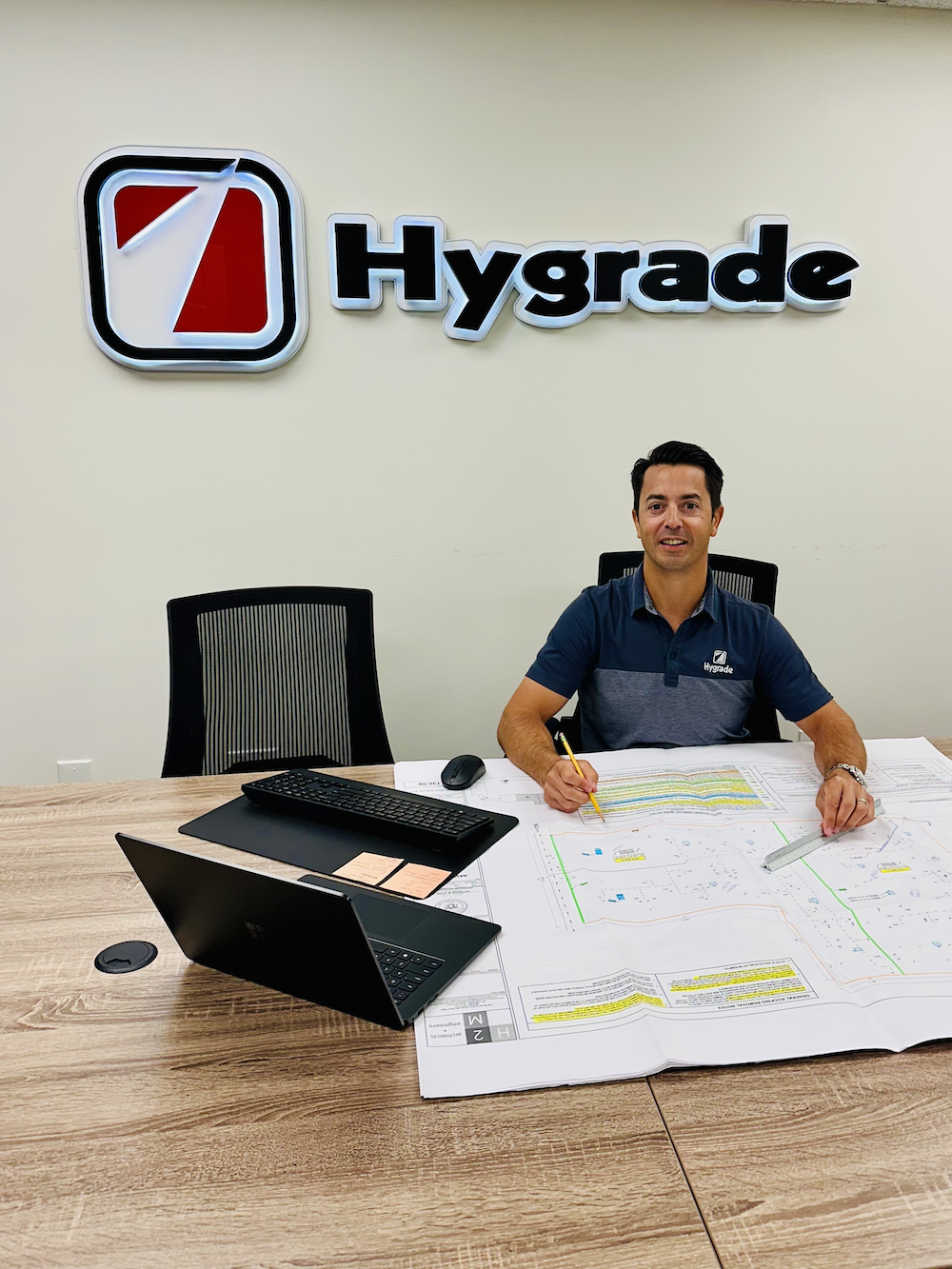
Hygrade Insulators President Bob Piccione, Jr. Photo: Hygrade Insulators.
Hygrade Insulators President Bob Piccione, Jr. Photo: Hygrade Insulators.
50 Years in Business
As Hygrade approaches its 50th anniversary in 2027, Piccione said the company's commitment to finding the right solution for building owners remains rooted in the values his father established when he founded the business in 1977. What has changed is the technology available to contractors.
"The materials have changed drastically," Piccione said. "And they're getting better."
He sees growing opportunities in roof coatings, which have expanded restoration options beyond traditional SPF systems. While spray foam requires specialized equipment and experienced crews, advances in coatings are giving contractors more ways to extend the life of existing roofs.
"We're eager to see what the future brings of coatings," he said. "I think we're just at the beginning."
Looking for a reprint of this article?
From high-res PDFs to custom plaques, order your copy today!