Roof Ventilation
Attic Ventilation Knowledge Can be a Game Changer
Chicago roofing company owner shares how airflow through the attic changed his company’s game.
Roofing contractors are always looking for the edge when it comes to beating the competition. Though there's no simple formula for success, in some cases, it could be as simple as understanding airflow.
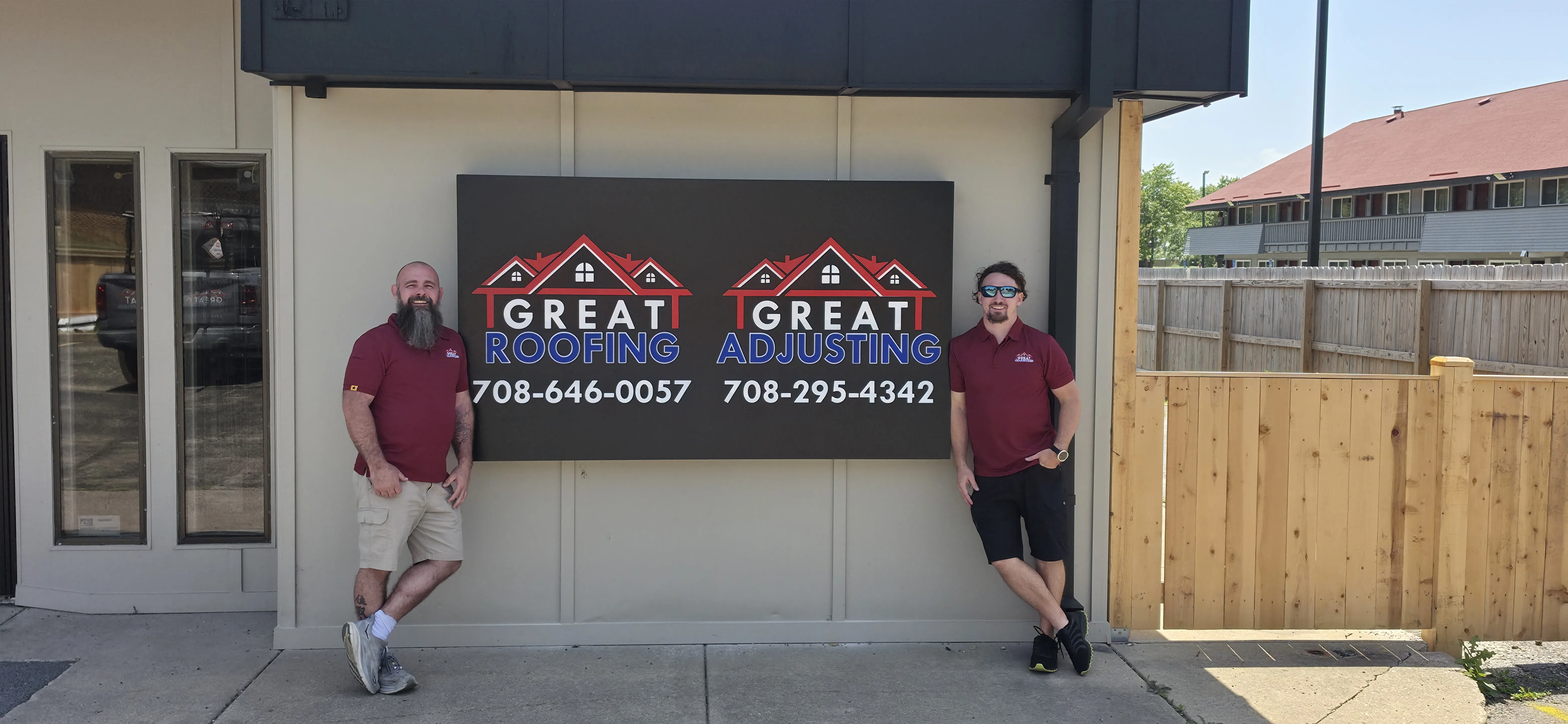
“Attic ventilation has been a game changer for our company because we now know our clients' roofs will last as long as they are supposed to,” said John Sterba, owner of Great Roofing, in Joliet, IL. In a recent episode of the “Airing it out with AirVent” podcast, Sterba shared the specifics of how airflow in the attic changed his company’s game.
“At first attic ventilation was not something on our mind,” Sterba admitted. “We just thought that if the roof has vents today they’re probably working fine and everything is good. But the way that it has set us apart now and has been a game changer for us is we actually get to treat the root cause of why a roof is failing prematurely, which completely sets us apart from other contractors. So instead of saying the roof is failing because it’s a bad roof install or the roof is failing because of a bad product, we can pinpoint that the roof is failing because of poor attic ventilation. This is why it is prematurely failing. And so that is one thing that sets us apart from everybody else. Attic ventilation also helps lower energy costs in the summer months, so it’s win-win situation,” Sterba said, referring to the reduced burden on the home’s cooling system by removing heat buildup from the attic before it radiates into the living space.
We Were Doing it Wrong
After he and his team attended our best practices in attic ventilation seminar, Sterba stopped making two of the most common mistakes in the roofing industry. “The first mistake that we were doing was just going back on roof with mixed exhaust types of ventilation. The roof would have static vents or box vents up there coupled with a power fan or maybe a ridge vent in the same exact attic space. We had no idea that arrangement of vents cause them to fight against each other or short-circuit the airflow,” Sterba said. “We never really put two and two together to understand it was incorrect until it was brought to our attention.
“The other thing we were doing wrong is not inspecting the attic intake vents. Was there enough? Were they clear and free to allow the air to flow? In a vaulted cathedral ceiling application were there insulation baffles installed to make sure there was an airflow path? It didn’t cross our minds until it was brought in front of us and explained why it is wrong and the potential consequences,” Sterba said. There’s no amount of attic exhaust ventilation that will work properly without a balanced amount of intake. Sterba and his Great Roofing team understand that now.
“And some homeowners will look at us and say, ‘Hey, that attic ventilation has been like that for decades. Who cares?’ Well, I care, right? I want your roof to last as long as possible and I want Great Roofing to be synonymous with quality work,” Sterba said.
Recognizing that it is not always safe or practical to go into an attic to inspect the intake vents, Sterba has a strategy in play. “If you can't access the attic, number one, at least get into the house and see how the upper level is structured. Do they have vaulted cathedral ceilings? And if so, in the process of tearing the roof off, pull a piece of plywood, see if they have those attic insulation baffles installed in between the rafters. That is going to save you a world of headaches down the line with moisture buildup, i.e., condensation, mildew, mold, things of that nature, and you don't want that.”
Even if the roofing project does not require replacing the decking, Sterba recommends lifting one sheet of the deck to inspect if the vaulted cathedral ceiling attic has a channel for airflow. “One sheet of plywood could save you loads of headaches. If you recognize in that moment that there isn’t enough attic ventilation, or the insulation baffles are not installed, you don’t have to remove all of the existing decking. You can remove it across the middle and then slide the insulation baffles down to the eaves and slide them up to the ridge or peak,” Sterba says.
Getting the Team on Board
Sterba said becoming a roofing company that paid attention to attic ventilation’s importance was at first a challenge for some on the team. “They didn’t recognize the benefits and they saw it as an additional cost they now have to explain to the homeowner,” Sterba recalled. “But when you know what you are talking about and you can show the client the truth behind the problem it boosts your confidence.”
“Now, I have to tell you not every homeowner cares about attic ventilation. They don’t care about the benefits and they don’t want the additional cost. Those homeowners are not our clients, then,” Sterba said. There are various industry resources available to help roofing contractors explain the importance and benefits of attic ventilation. One of Sterba’s go-to is our filmed smokehouse on our YouTube channel showing heat and moisture buildup in the attic. “If the attic is balanced with intake and exhaust vents the smoke clears fast. If not, the smoke lingers which means the heat and moisture buildup lingers,” Sterba said.
Sterba becomes rather passionate when explaining why he focuses on doing the entire roof correctly. “We have a moral obligation, because we are the industry experts of these things, to do the right thing for our clients,” Sterba said. “And while it may seem like an extraneous cost to improve the client’s attic intake or exhaust, when you look at it over the span of time, if their roof fails in 10 years, do you think they’re going to call you back or tell their friends about you? No. But if that same roof lasts 25, 30 years and does not have the heat and moisture buildup issues that were avoidable I believe they will recommend you to other people.”
Understanding attic ventilation and working it into his company’s standard operating procedure has truly been a game changer. “Once you implement proper attic ventilation into your systems you’ll notice the tickets will increase because you’re doing more for the client. That’s increased profitability. Secondly, after the homeowner sees the improved performance of their house, referrals increase. It really has been a game changer,” Sterba said.Looking for a reprint of this article?
From high-res PDFs to custom plaques, order your copy today!