Extreme Weather Special Section
It’s Not the Roof Costing You Storm Jobs
A roofing contractor’s success after the storm depends on turning a messy roof inspection into a clear case and a hesitant homeowner into a confident client.
Key Takeaways
- A close-up photo of a hail hit does not mean much by itself. Homeowners need to understand where hail hit, how often, and if the same storm pattern caused further damage.
- Good documentation should make the roof easy to understand after you leave.
- Follow-up does not have to be complicated. It only has to be timely. In storm work, follow-up is not chasing. It is protecting the next step you already earned.
The first few days after a hailstorm can be a blur of activity. It’s when crews scramble over shingles, homeowners weigh insurance premiums against property damage, and contractors race to beat the next knock on the door.
But the real breakdown happens after the inspection.
Too often, a contractor identifies legitimate damage, yet the homeowner remains paralyzed to move forward. Why?
- Photos fail to capture the severity of the situation.
- Soft metal damage is noted but never tied to the roof’s overall integrity.
- The homeowner didn’t receive a timely follow-up from the contractor.
Over 20 years across countless storm markets, I still see this pattern repeat. The damage was there, and the homeowner was interested, but the deal evaporated because the file lacked clarity and the follow-up lacked urgency.
Storm work is won the moment the ladder comes down from the roof. And success depends on turning a messy inspection into a clear case and a hesitant homeowner into a confident client.
Weak Photos Leave Too Much Room for Doubt
Many contractors still come off a roof confident that they had everything they needed. One, because they saw the hits and marked the vents accordingly. Two, because they knew the soft metals told the same story based on how they looked. But when the homeowner looks back at the photos later, all they see are a few tight close-ups that could have been anywhere on the roof.
That is where doubt starts.
A close-up of a hit does not mean much by itself. The homeowner needs to understand where that hit was found, how often it showed up, and whether the rest of the property supports the same storm pattern. Without context, the damage becomes easier to question and harder to believe or explain.
Good documentation should make the roof easy to understand after you leave. A wide shot should show the slope. A marked photo must show the location. A close-up shot is where the damage must be very visible. Often, photos of vents, gutters, soft metals, and other collateral damage help show that the roof is not being viewed in isolation.
But if your photos only make sense to the person who took them, they are not doing enough work.

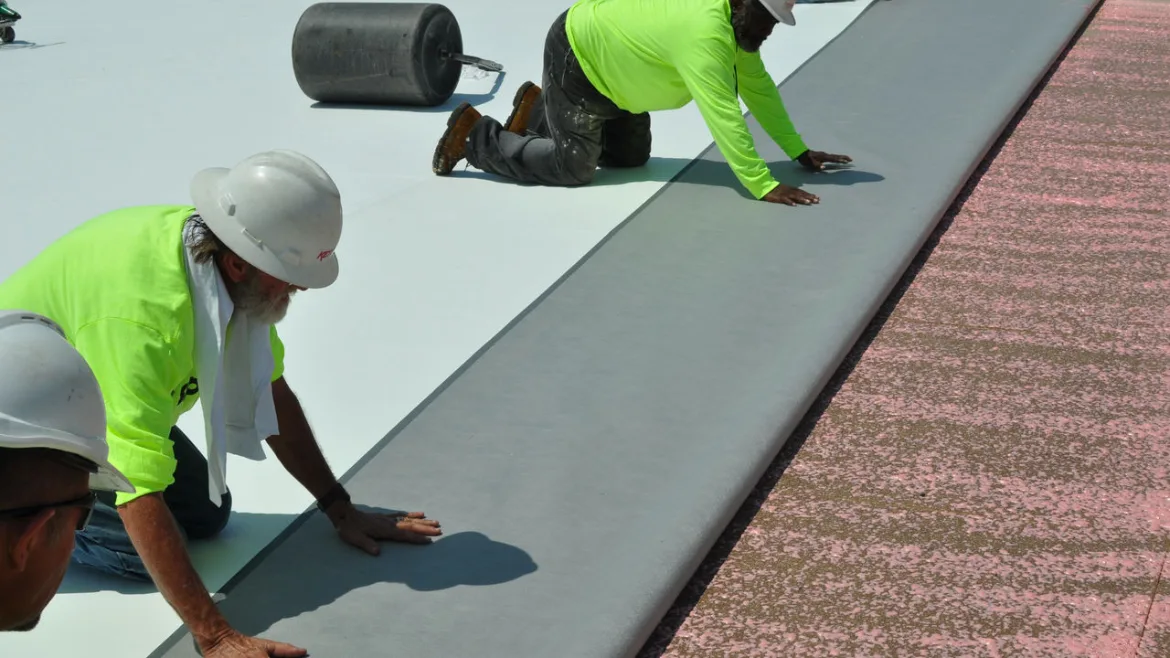
Good photo documentation makes the roof easy to understand for homeowners after roofing contractors leave. The damage must be visible, and photos of vents, gutters, and other collateral damage help show that the roof is not being viewed in isolation.
Photo: TAMKO Building Products LLC
Hesitant Homeowners Need More Clarity
A homeowner who does not act right away is not always saying no. A lot of the time, they are only trying to make sense of a problem they cannot fully see.
If the roof is not leaking, the damage may not feel urgent. If insurance is involved, they may worry about premiums, deductibles, or whether filing a claim will turn into a bigger headache than they expected. So even when they know and agree there is damage, they may still wait.
That exact window is where contractors lose momentum.
Ensure you leave the homeowner with a clear reason to act. Your job as a contractor is not to push harder but to explain the risk clearly enough that the homeowner can make a confident decision.
Show them what the damage looks like now. Explain what can happen if it sits. Then give them the clear next step, whether that is filing the claim, scheduling the adjuster, or having you present when the roof is reviewed.
That is not pressure. That is clarity. And it’s what homeowners need.
Follow-Up Keeps the Next Step from Dying
Giving the homeowner a next step is not enough if no one stays with them to ensure it actually happens.
You can explain the damage clearly in the driveway. You can tell them why timing matters. You can walk them through the claim process. You can do everything in ten minutes, but if you leave and go quiet for the next several days, opportunity will fade.
Usually, the homeowner still needs to talk to a spouse. They may forget part of what you explained, or they may get nervous once the adjuster gets scheduled. That doesn’t mean they were never serious about moving forward, just that they are still trying to move through a process they do not deal with every day.
That is where contractors lose work they were initially in a good position to win.
What happens is another contractor gets the opportunity because they showed up during that gap. They answered the follow-up questions. They checked in at the right time. They made the homeowner feel like they were not figuring it out alone.
Follow-up does not have to be complicated. It only has to be timely. Remind the homeowner that you should be there for whatever appointment so the roof can be reviewed with the right context.
In storm work, follow-up is not chasing. It is protecting the next step you already earned.

If the damage is hard to see and understand, the decision is harder for the homeowner to make. And when the decision feels unclear, most people choose to just brush it off.
Photo: TAMKO Building Products LLC
Some Damage Takes More Work to Explain
Even with good documentation and follow-up, some storm damage is harder for homeowners to understand.
Not every roof looks urgent from the ground. They see no missing shingles and no stain on the ceiling. To them, the damage feels less serious. But those are the moments where a contractor's explanation matters most.
Keep in mind that the homeowner does not need a technical lecture. They need to see what you saw, understand why it matters, and know what can happen if the roof keeps taking weather in that condition.
If the damage is hard to see and grasp, the decision is harder for the homeowner to make. And when the decision feels unclear, most people choose to just brush it off.
That is why doing nothing is one of your biggest competitors in storm work. Your job is not just to find the damage. It is to make the risk clear enough that the homeowner feels the urgency and can make a confident decision.
Storm Season Exposes the Process Already in Place
Every storm brings volume: more calls, more inspections, more doors, and more opportunity. But volume does not make the work after the inspection easier. It only puts more pressure on your processes and will only prove they’re weak once exposed.
For contractors, the initial process is the part of the job that separates activity from progress. Getting on the roof is important, but it is not enough if the homeowner is still confused after you leave. The real opportunity is to make the process easier to understand, easier to trust, and easier to keep moving.
For homeowners, the same lesson applies from the other side. If a contractor finds damage, do not let the conversation end at a few photos and a quick explanation in the driveway. Ask what the damage means. Ask what happens if it sits. Ask what the next step should be and who needs to be involved. Ask uncomfortable questions.
After more than two decades in this business, I have seen that the strongest outcomes usually come from both sides staying engaged. The roof matters, obviously. But the roof is only one part of the job. The bigger difference comes when everyone involved decides whether to let the process drift or keep it moving with purpose.
The views and opinions expressed are based on the author’s long tenure and personal experiences as a roofing contractor prior to coming to TAMKO. As such, his views are intended for general informational purposes only and should not be considered professional advice regarding insurance, financing, legal matters, or business transactions. Readers are encouraged to consult with qualified professionals before making any decisions related to their business operations.

Looking for a reprint of this article?
From high-res PDFs to custom plaques, order your copy today!