Legal Watch
Texas High Court Tosses $4.3M Verdict in Roofer Fall Case
Texas Supreme Court says independent contractors cannot use a key exception to recover for injuries caused by open and obvious jobsite hazards
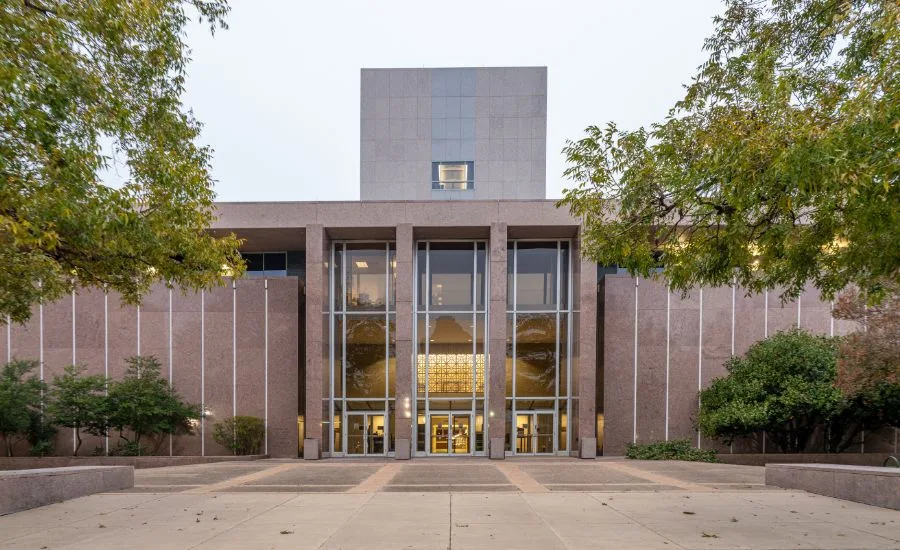
The Supreme Court of Texas in Austin, Texas.
The Texas Supreme Court has reversed a multimillion-dollar judgment against a general contractor in a roofing injury case, ruling that an independent roofing contractor could not recover for injuries tied to an open and obvious fall hazard.
In a precedential opinion issued June 26, the state’s high court held in JMI Contractors, LLC v. Jose Manuel Medellin that Medellin’s claims against JMI Contractors sounded in premises liability, not negligent activity, and failed as a matter of law because the danger — an unguarded roof edge — was open and obvious. The court rendered a take-nothing judgment for JMI.
The case arose from a roof replacement project at the Oaks on Bandera Apartments in San Antonio. JMI, the general contractor, hired Metal Roof & TPO Specialist, LLC, for the roofing work. Metal Roof retained Medellin, an independent contractor, to assist on the project.
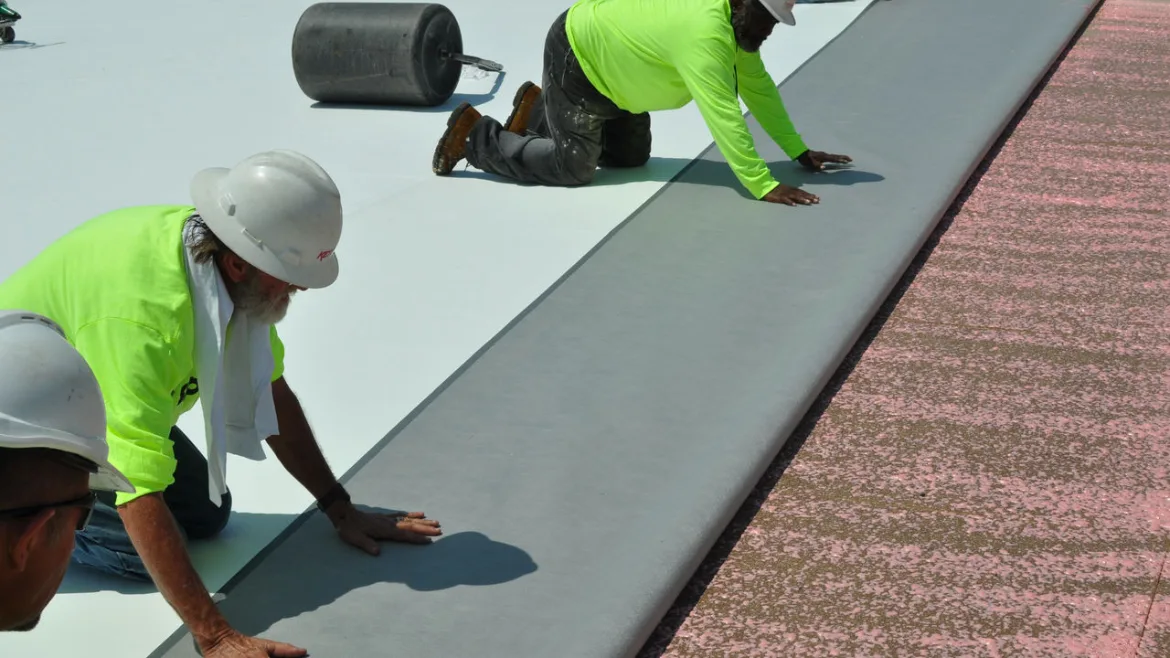
According to the court, Medellin was helping pull a rubberized roofing membrane across the roof when he lost track of the roof’s edge, stepped backward and fell about 30 feet, suffering serious injuries.
Medellin sued JMI over the fall. At trial, the jury considered negligent activity and premises-liability claims, finding JMI liable on both. The Bexar County jury awarded more than $3.3 million in compensatory damages and $1 million in exemplary damages. The Fourth Court of Appeals in San Antonio affirmed the trial court’s judgment.
The Reversal
Writing for the court, Justice Kyle D. Hawkins said Medellin’s injury stemmed from an allegedly dangerous condition of the premises—the unguarded roof edge—rather than a contemporaneous negligent act by JMI. The court said negligent-activity liability requires an injury caused by affirmative, contemporaneous conduct, while premises-liability claims are based on a failure to make property safe.
“At core, Medellin claims that JMI failed to adequately safeguard the roof’s edge,” Hawkins wrote. “We conclude that Medellin’s claim against JMI is properly understood to implicate premises liability.”
The court also rejected Medellin’s attempt to rely on the “necessary-use” exception, a doctrine that can allow recovery for open and obvious hazards when an invitee must confront the danger and the property owner should anticipate the invitee cannot avoid the risk.
The justices held that the exception does not extend to independent contractors.
Related: The Chain of Responsibility: What Every Roofing Contractor Must Know
“Independent contractors are an especially poor fit for the necessary-use exception,” the court wrote, adding that contractors are generally expected to evaluate jobsite conditions, determine how to perform their work safely, bring appropriate equipment and decline work they cannot safely perform.
The court noted Medellin had about three years of roofing experience, understood the dangers of working on a roof without fall protection and brought his own equipment to the jobsite, though not a harness.
The ruling is significant for roofing and construction contractors because it holds that independent contractors cannot invoke the necessary-use exception to pursue premises liability claims based on open and obvious hazards on job sites.
The court emphasized that general safety oversight or some control over jobsite safety is not enough to establish retained control over an independent contractor’s work. To impose liability under Texas retained-control precedent, the plaintiff must show the defendant retained control over the injury-causing activity and increased the risk by creating a danger.
The court found no such evidence against JMI. It said the instruction to pull the roofing membrane came from another independent contractor, not from a JMI employee, and there was no evidence making that worker’s conduct attributable to JMI.
The decision also limits attempts to recast fall-hazard claims as negligent-activity claims when the alleged injury stems from the condition of the premises. The court said failing to provide additional safety measures, such as better guarding a roof edge, is a premises-liability theory — not negligent activity.
“For the foregoing reasons, we reverse the court of appeals’s judgment and render a take-nothing judgment in favor of JMI,” Hawkins wrote.
For roofing contractors, the ruling underscores the legal significance of worker classification, jobsite control and open-and-obvious hazards in Texas construction injury litigation. While the decision does not eliminate all potential liability for general contractors, it makes clear that independent contractors working around obvious fall risks face a higher bar when suing for jobsite injuries under Texas premises-liability law.
Looking for a reprint of this article?
From high-res PDFs to custom plaques, order your copy today!