Extreme Weather Special Section
Fortifying Roofs for an Era of Extreme Weather
Contractors can help protect homes and buildings with weatherproofing strategies and materials built to withstand extreme conditions
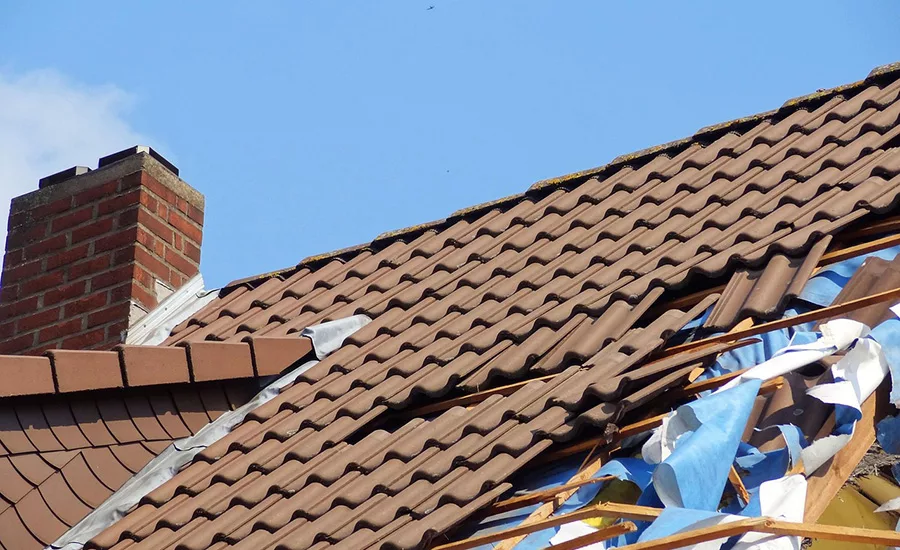
The increasing frequency of extreme weather events is certainly a cause for concern for property owners throughout the United States.
Just consider the most recent Atlantic hurricane season, which saw several major storms cause significant property damage across wide swaths of the country.
Indeed, major weather events can cause significant structural damage, leading to costly repairs or complete rebuilding in a worst-case scenario. Flooding, wind damage, or power outages can severely impact the physical infrastructure.
A property’s roof is potentially one of the most vulnerable targets for damage, but it can also be the property’s first line of defense with the right proactive measures. For roofing contractors and professionals, there is a significant opportunity to help property owners best prepare their structures for extreme weather with the right roofing strategies.
With all of this in mind, let’s explore some effective tactics and approaches that roofers can apply for commercial and residential projects to help property owners best prepare themselves for potential weather extremes.
Weatherproofing Strategies for Commercial Buildings
For commercial building operators, a reliable and long-lasting roof contributes to operational security, safety, and risk avoidance. Extreme weather-related disruptions have the potential to cause harm to workers, disrupt production schedules, and impact the bottom line.
When it comes to commercial roofing applications, extreme weather preparedness depends upon applying the right products. For example, a high-performance primer can serve as a strong foundational base coating for any roof, improving adhesion properties for roof membranes over the long term, including around typically problematic areas. Available silicone, elastomeric, or asphalt coatings (dependent upon the application) can add further protection, creating tough and flexible barriers that help prevent wind and water damage associated with severe weather.
Finally, if and when damage does occur to the roof, the proper patching and cement solutions can help eliminate roof leaks quickly before too much damage has been caused to the building’s interior.
It’s also important to remember that good maintenance practices are essential to a commercial roof’s ability to withstand severe weather. A poorly maintained roof is far more likely to suffer damage when a hurricane or similarly severe weather event strikes.
Here, roofing contractors can advise commercial property owners on the proper best practices for long-term maintenance and, of course, secure maintenance contracts. Some target areas on commercial roofs to focus on include:
- Roof membranes and flashings. Ensure all flashings and membranes are in good condition. Check for signs of stress, cracking, splitting, wrinkles, or blisters. Remove any foreign matter such as balls, shoes, tools, branches, oils, chemicals, liquids, or other objects (we’ve seen it all). Then, clean the roof membrane and inspect it closely for signs of physical damage.
- Gutters, drains and scuppers. These are the main avenues where rainwater travels off your roof surface and is directed away from the building, so these areas must be inspected and maintained. Clean and remove any debris that may be clogging or obstructing water flow. Look for signs of cracking or splitting in the membrane around your drains and scuppers. If anything is noted, it must be repaired immediately by a qualified roofing contractor.
- Metal flashings. Inspect all metal flashings, counter flashings, copings, seams, joints, gravel stops, edge metal, and other areas to ensure they are secure and free of rust or deterioration. Any unsatisfactory conditions should be repaired as soon as possible.
- Expansion joints. Check all expansion joints for deterioration, wear, and defects. Check the metal components to ensure they are fully secured and rust-free. Make sure the expansion joint is still flexible and resilient. Look for any signs of cracking or splitting while manually flexing the joint.
- Penetrations. Inspect penetrations for signs of wear. Ensure that the base of the penetration remains completely sealed and attached to the roof membrane.
- Pitch pans. Check all pitch pans for shrinkage. As most sealants shrink over time, water may begin to sit on the top of the pitch pan, causing rust, leaks, and deterioration.
- Rooftop equipment and accessories. Inspect all rooftop equipment for deterioration and areas prone to water penetration. This includes HVAC equipment, ductwork, curbs, skylights, etc.
An Ideal Solution for Residential Roof Preparedness
In some hurricane-prone parts of the United States, roof tiles are one of the most popular and high-performing material choices. If properly installed and maintained, tile roofs can enhance a home’s curb appeal while lasting anywhere from 50 to 75 years. When the right fastening materials are used, tile roofs are less susceptible to wind damage than conventional shingles.
It is important to consider those fastening materials. Tile roofs are installed with some form of mechanical fasteners. Screws, nails, mortar sets, or wire ties are common, but each of them comes with some potential deficiencies.
For example, using screws or nails to secure tiles inherently involves penetrating the roof deck with thousands of holes. Though this may not immediately compromise the roof's performance if installed correctly, it creates a greater opportunity for future failure, such as water ingress and structural performance issues, than if the roof deck had not been penetrated.
Screws and nails must also be installed with the right amount of pressure. Too forceful an insertion can cause damage to the roofing material. Meanwhile, some areas require flashing cements to be applied over all penetrations, which can create additional labor and drive up costs. Meanwhile, too loose of an insertion can contribute to future performance issues, particularly in high-wind environments.
By contrast, a high-performance polyurethane adhesive product can functionally eliminate these concerns when installing a tile roof. Depending on the roof pitch and local code requirements, adhesives do not require the installer to puncture the roof deck. Instead, they create a strong adhesive bond between the deck and tile. This process also contributes to greater uniformity across the roof as a whole, eliminating variances between a too-tight or too-lose nail or screw insertion.
Depending on their needs or preferences, contractors have a choice regarding adhesive products. These are single-component adhesive products, where all components are combined and the adhesive moisture cures upon dispensation, or two-component adhesives, where the main chemicals are kept separate (A-side/B-side) and the reaction begins once the two components are mixed. These components are fed through hoses up toward the roof workspace and are combined at the point of application.
For extreme weather preparedness, two-component solutions hold an advantage. Available two-component polyurethane adhesives maintain the pinnacle of wind uplift performance. In some cases, depending on the paddy size and project, a two-component system can withstand Category 5 hurricanes. However, single-component systems can also deliver exceptional wind uplift performance and offer some labor advantages with a more streamlined application process.
In an era of extreme weather, maintaining high levels of roof performance depends on utilizing the right technology and following sound preventative maintenance practices throughout the roof’s life. For roofing contractors performing commercial or residential jobs, it’s a continued opportunity to deliver value to your customers.
 Understanding Hail
Boosting Profits
Insurance Claims
Fortifying Roofs
Product Focus
Understanding Hail
Boosting Profits
Insurance Claims
Fortifying Roofs
Product Focus
Special Section Sponsored by

Looking for a reprint of this article?
From high-res PDFs to custom plaques, order your copy today!