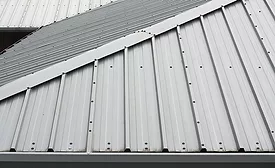
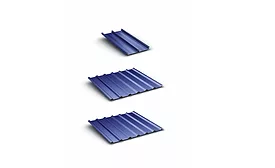
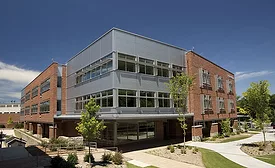
The newest freestanding academic facility in 33 years at George School in Bucks County, Pa., incorporated many sustainable building elements into its design and construction, starting at the very top with vegetative and metal roofing systems.
Inconsistency and uncertainty characterized the past year, yet neither was necessarily a show-stopper for those of us in the roofing industry that have successfully focused our efforts on continued innovation, value and quality.
As part of its State of the Industry Report, Roofing Contractor reached out to some industry insiders to get their predictions on what 2011 might hold in store for contractors. They shared their insights on trends in the commercial and residential roofing markets and offered advice to help contractors make the most of their opportunities in the year ahead.
Something new may be learned from nearly every retrofit roofing project. Every roofing project is completed with different materials in different places on different structures and often with different clients. The renovation of the roof and parapet of the Green-Meldrim House in historic downtown Savannah, Ga., is one project that provided more than its share of lessons.
Indiana Tube Corporation is the largest supplier
of refrigeration condensers in North America and one of the major suppliers of
small diameter, single-wall, low carbon steel tubes.
As is the case with other roof systems, flashings and penetrations are the most common points of moisture intrusion on standing seam metal roof systems.
Metal roofing systems have a good track record of performance in harsh winter environments, as long as they are properly designed. The key factors are usually snow loading requirements, adequate slope, and the use of snow guards when needed. If these issues are addressed during the design stage and the roofing contractor does his job, these systems will almost always perform as intended.