Safety News
Labor Department Issues Guidance for Opioid Emergencies on Jobsite
The information should help employers and workers rapidly respond to opioid-related overdoses in the workplace.
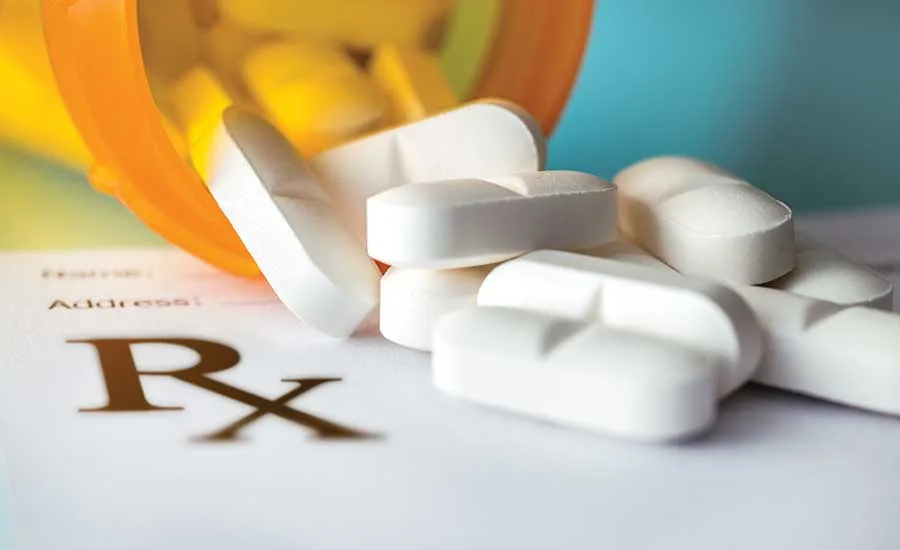
With the increasing use of prescribed opioids — reportedly one out of every three persons took such a prescription in 2015 — the likelihood that the issue will arise in either the hiring context or involving a current employee is significant.
The U.S. Department of Labor’s Occupational Safety and Health Administration recently released a fact sheet to help employers and workers rapidly respond to opioid-related overdose emergencies in the workplace.
The Bureau of Labor Statistics recorded 410 fatal occupational injuries involving drug or alcohol overdose in 2024, the last year statistics are available for. Opioid emergencies can happen anywhere, including at work, and being prepared can help save a life.
OSHA’s new guidance, “Opioid Overdose Rescue with Reversal Medications,” is part of the Great American Recovery Initiative, a government-wide effort by the Trump Administration prioritizing addiction treatment and recovery. The fact sheet provides practical information focused on empowering workplaces to recognize the signs of an overdose and act immediately.
“Because fentanyl has infiltrated the illicit drug landscape and acts as a chemical weapon against our people, it is critically important that the American workforce is familiar with drug overdose recognition and reversal," said White House Drug Czar Sara Carter in a news release. "I am grateful to the Department of Labor for informing employers and workers about life-saving overdose reversal treatments like naloxone.”
OSHA’s fact sheet highlights key opioid overdose preparedness strategies, including:
- Keep lifesaving FDA-approved reversal medications – such as naloxone or nalmefene – on hand. These safe, life-saving medications quickly restore normal breathing and generally have no effect if opioids are not present.
- Treat overdose kits like first aid by storing them in highly visible, easily accessible locations, just like automated external defibrillators or standard first-aid kits.
- Educate workers on how to identify critical symptoms of an overdose, such as slow or stopped breathing, blue lips or skin, pinpoint pupils, or unresponsiveness.
- Prepare for rapid action in an emergency by training workers to administer the medication, safely position the individual, and provide supportive care while waiting for first responders.
The initiative is earning praise from employer groups and industry associations. The National Safety Council (NSC) and the Global Health Advocacy Incubator’s (GHAI’s) Overdose Prevention Initiative applauded the effort in separate announcements.
Officials with the NSC said preparation before an incident occurs is key, but not all employers have countermeasures in place. In an NSC employer survey, 28% of respondents said they stocked naloxone at their worksites.
On Nov. 19, GHAI’s Overdose Prevention Initiative will host its annual congressional naloxone training on Capitol Hill, where members of Congress, staff, and the public can learn to recognize an overdose and use reversal medication.
OSHA’s guidance emphasizes that while these medications are critical, they do not replace emergency services. Workplace responders should always call 911 immediately because the medication’s effects are temporary and professional medical care is still required.
The Department of Labor is committed to supporting workers’ safety and health on the job, along with partners at the Centers for Disease Control and Prevention, the U.S. Department of Health and Human Services, and other agencies.
Looking for a reprint of this article?
From high-res PDFs to custom plaques, order your copy today!