Workforce data
Immigration Enforcement Affects 29% of Contractors, AGC-NCCER Survey Finds
Southern contractors report the greatest impact.
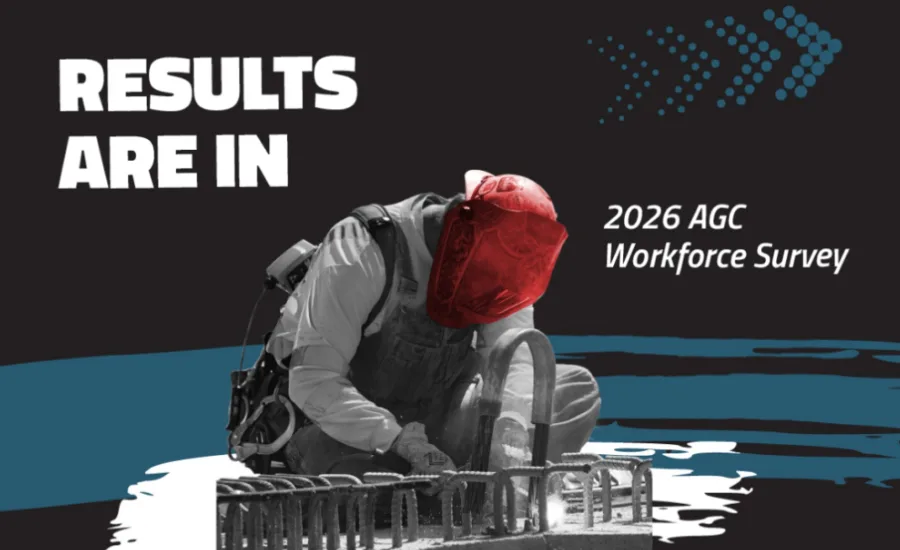
Nearly three in 10 construction firms responding to a new workforce survey reported at least one direct or indirect effect from immigration enforcement during the past six months, adding another source of workforce pressure to an industry already struggling to find qualified workers.
The Associated General Contractors of America (AGC) and the National Center for Construction Education and Research (NCCER) conducted the survey in July and August. A total of 1,830 individuals from construction firms of different sizes and market sectors responded to at least one portion of the survey.
Seventy-one percent of respondents reported no effect from immigration enforcement. However, 16% said subcontractors had lost workers, 12% reported workers leaving or failing to appear because of actual or rumored immigration actions, and 6% said immigration agents had visited a jobsite or off-site location.
The effects varied sharply by region, according to Ken Simonson, AGC’s chief economist. During a Sept. 3 briefing on the findings, Simonson said 42% of respondents in the South reported being affected by immigration enforcement, compared with 37% in the Northeast, 22% in the West and 17% in the Midwest.
The survey did not directly establish how many construction delays or additional costs resulted specifically from immigration enforcement. When asked by RC how the reported effects translated into delays, higher costs or deeper labor shortages, Simonson said the available evidence on project disruptions remains anecdotal.
He said homebuilders have experienced significant scheduling problems when framing or concrete workers leave because of confirmed or rumored enforcement activity. Larger multifamily and nonresidential contractors may have more flexibility to rearrange schedules when a particular group of workers becomes unavailable, he added.
“Nevertheless, it is quite a threat, particularly where you have data center and other so-called mission-critical projects that have extremely tight timelines,” Simonson said. “You can’t afford to lose even a day of work.”
The findings come as contractors continue to report widespread labor constraints. Eighty-seven percent of respondents reported openings for hourly craft workers, and 88% of firms with those openings said the positions were as difficult or more difficult to fill than a year earlier. In addition, 42% said shortages involving their own workers or their subcontractors’ employees had delayed projects, making workforce shortages the most frequently cited cause of delays.
The survey, however, did not attribute that overall 42% delay figure exclusively to immigration enforcement. Other hiring obstacles identified by respondents included applicants lacking essential skills, licenses or certifications and new employees failing to report for work or leaving shortly after being hired.
AGC said expanded construction education and training would help rebuild the domestic labor pipeline but cautioned that those investments would take years to produce enough qualified workers. The association is also calling for more legal avenues for foreign-born workers, including a construction-specific temporary work visa and a pathway for qualified people already contributing to the U.S. economy to continue working in the country, subject to screening requirements.
“The goal should be to enforce the nation’s immigration laws while also recognizing the very real workforce needs of industries like construction that are essential to the economy,” AGC CEO Jeffrey Shoaf said during the briefing.
Looking for a reprint of this article?
From high-res PDFs to custom plaques, order your copy today!