Roof Ventilation
Common Attic Ventilation Mistakes and the Fixes for Roofers
Michigan roofing contractor and remodeler has built his career around being an attic airflow professional.
You do not have to be the original contractor to identify and correct existing attic ventilation mistakes for a roof you did not originally install. Yes, it likely means more work. Yes, it will likely increase the price of the project, but many contractors see this as an opportunity, not a problem, and it's the right thing to do for the customer.
“I have built my entire 23-year-career around resolving attic ventilation issues,” says Gary Muehling, owner of MI Remodelers in Orion Township, located just outside of Detroi. In a recent episode of our podcast, Muehling shared a few common mistakes he sees often and how his team fixes them.
Attic Insulation Gone Wrong
In an effort to improve their poorly insulated attics and make them more energy efficient, Muehling says many homeowners reach out to home improvement contractors to add insulation. Great idea if done correctly.
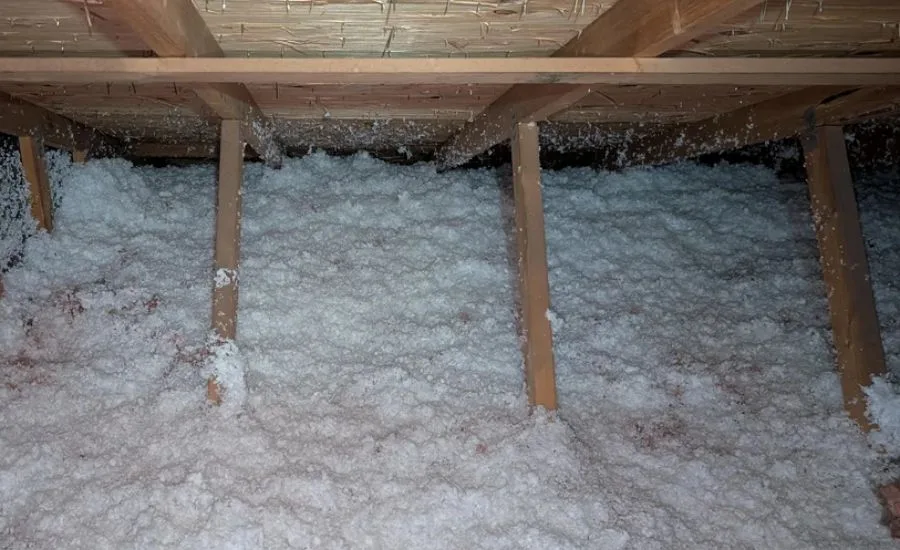
“Low hanging fruit is to insulate low performing attics. Home improvement contractors who do attic insulation often have blowing equipment to blow-in the insulation, but sometimes blowing in insulation does more bad than good,” Muehling says. “Airflow is essential in an attic space. Some insulation contractors who blow-in insulation cover the intake vents with the insulation. Installing insulation baffles could resolve this but that’s often skipped as well.”
Muehling said a homeowner completed an attic insulation project and didn’t feel an improvement in the way their home heated and cooled. They said it was considerably worse, in fact. Muehling then got the phone call to see if his team could improve the situation.
“I do not ever remember being in an attic this hot. My normal 10-minute attic inspection was cut to 5 minutes because I could barely handle the heat,” Muehling said. “Every single one of that attic intake vents was completely blocked with insulation, meaning that the intake airflow into the attic was zero.”
Muehling estimates the roof was 20 years old. It had ridge vent for exhaust and it had plenty of attic intake vents installed. But the attic insulation project mistakenly eliminated the attic intake vents. “This was a low- pitch roof with limited access to the soffits from inside the attic and clearing those obstructions involved replacing the roof. We also had to clean the moisture-impacted rafters from all of moisture buildup that was not venting to the outdoors,” Muehling says.
Bathroom Venting Gone Wrong
Another common attic ventilation mistake Muehling’s team sees involves bathrooms. “We work in a lot of mature neighborhoods. Some of the homes have bathrooms without any type of exhaust ventilation,” says Muehling. “Some homeowners have good intentions installing their own bathroom exhaust fans, and I’m grateful they are taking steps toward improving the way the home manages moisture. But distributing the hot, moist bathroom air directly into the attic can cause really expensive problems, especially in the winter when it can condense in the colder attic.”
Muehling says his team buys large quantities of 4-inch and 5-inch insulated ductwork and roof-top louvers designed for bathroom venting ready to install them anytime they spot bathroom exhaust troubles. “It should be as dry as a cracker up there,” Muehling says.
Courtesy Attic Inspections
This next example from Muehling is a house design that is tricky to ventilate. “Bungalow-configured homes have pocket attics (also called knee walls). I’ve seen a variety of ways to approach proper ventilation for these including treating each pocket attic separately,” Muehling says. “But my favorite approach is to actually combine and connect those spaces. I can do this a number of ways, but one way or another I create intake at the bottom, with a pathway to take that air all the way up to the exhaust vent at the top venting the heat and moisture out.”
“Whether we are removing the plaster on the inside or the roof decking from the outside, we like to install continuous attic insulation baffling so the air flows from the bottom pocket attic all the way through the vaulted section to the uppermost attic at the peak,” Muehling says.
The attic ventilation fixes MI Remodelers works on are not always the reason they got the phone call from the homeowner in the first place. “I have built my whole career on being an attic ventilation professional,” says Muehling. And so today my company does more than just roofing and remodeling. We include attic inspections as a courtesy. And as a result we’ve helped hundreds of homeowners who were looking to remodel but had no idea what was going on up in their attic. This has helped homeowners reprioritize and regroup in what order they do renovations. Because if you were to invest $100,000 in a new kitchen, I’m sure it will be stunning. But if you have the heat and moisture problems we just discussed in your attic, you’d want to know about that before you start picking custom cabinets.”Looking for a reprint of this article?
From high-res PDFs to custom plaques, order your copy today!