Roof Safety Spotlight
Roof Safety Spotlight: Daniel James
Veteran roofing safety leader Daniel James spends his day-to-day working with roofing contractors and construction leaders to align safety with positive business outcomes.
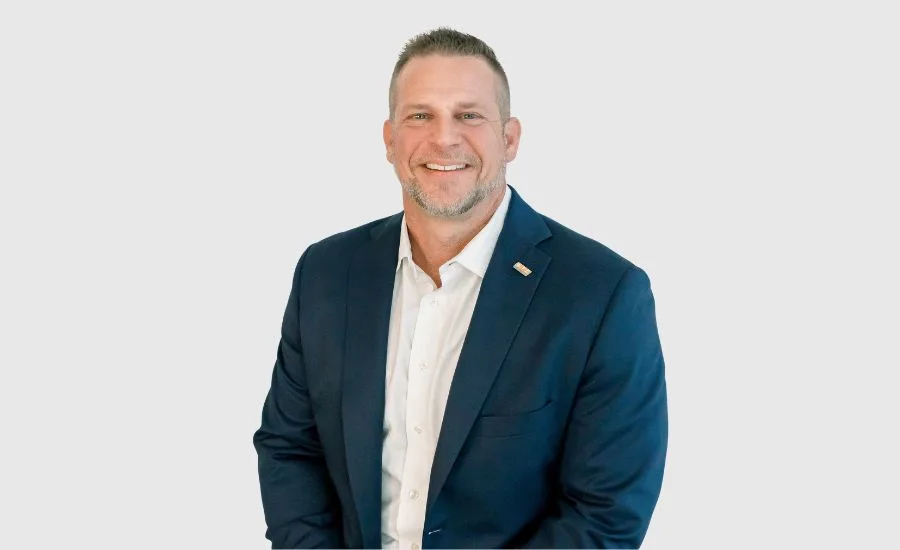
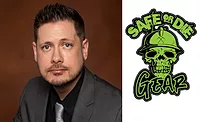
Daniel James serves as vice president for STC Safety & Risk Management in Frisco, Texas.
Daniel James serves as vice president for STC Safety & Risk Management, but safety isn’t just something he “sells.” It’s something he believes deeply in and helps operationalize for roofing and construction companies nationwide. RC recently caught up with him following his guest column about the lack of first-step safety standards in commercial roofing. In it he calls for setting an industry objective to develop protocols and find solutions to prevent hazardous fall situations because they are largely preventable.
Here’s more about what he said about rooftop safety requiring more attention from all members of the roofing community.
BIO INFO:
- Age: 47
- Company/Role: Vice President, STC Safety & Risk Management
- Where’s Home?: Prosper, Texas
- Years in the Roofing Industry: 20 years in roofer safety
- Family status: Married, 3 children (Slater 24, Allie 20 and Peyton 4); Plus two beautiful dogs (Norman and Boomer)
RC: What role does roof safety play in your day-to-day operations?
DJ: Day-to-day, I’m working with roofing contractors and construction leaders to align safety with business outcomes, protecting people, brand, and profit. That means helping them move from reactive compliance to a structured system: leadership alignment, training, field execution, and accountability. My role lives at the intersection of strategy and real-world application.
RC: What drew you to the roofing/construction industry, and how did you find your niche in safety?
DJ: I’ve spent about 25 years in safety, and construction, especially. Roofing stood out because of the risk, pace, and complexity. It’s one of the few industries where decisions made in minutes can have life-altering consequences. I found my niche by focusing not just on compliance, but on helping companies build systems that actually work in the field. Not theory, but execution.
RC: Do you have a philosophy or approach when it comes to safety that’s easily teachable to roofing contractors?
DJ: Yes….keep it simple, systematic, and scalable. Most contractors don’t fail because they don’t care. They fail because they don’t have a system.
RC: You and others have been at this a long time with measurable success, but why is roofing still such a deadly occupation? Does it ever get frustrating for you?
DJ: Roofing is high-risk by nature, heights, exposure, weather, production pressure. But the real issue isn’t the risk. It's inconsistency in managing it and contractors leveling up or down based on clientele. Does it get frustrating? Yes. Especially when incidents are preventable. But it’s also what drives the work we know the impact of getting it right.
RC: Do you have any ‘proudest moments’ in safety that you can share?
DJ: When leadership and middle management starts owning safety instead of delegating it, that’s the win. I am proud to have worked with over 100 roofing contractors from California to Georgia to improve processes and checkpoints that keep people safe.
RC: Do you have any cautionary safety-related roofing experiences to share?
DJ: One of the most common scenarios we see is a contractor losing a job or a client relationship because of a preventable safety issue. Whether it’s a fall protection violation or poor documentation during an incident, it doesn’t just affect the job it affects reputation and future work. We truly believe we can not only protect your people, but also your reputation and profits.
RC: What can every roofer do today (easily) to help their crews stay safe, or emphasize safety?
DJ: Have a plan before work starts (especially for fall protection). And conduct a quick daily safety conversation, keep it real and relevant and everyone involved. Also hold people accountable—what gets inspected gets respected.
RC: Where will contractors see your offerings?
DJ:We are showcasing at regional events like GARCA (Georgia), TARC (Tenn Association), and RCAT (Roofing contractors of Texas)
- We’ll be showcasing how our Total Risk Approach helps companies:
- Standardize safety across crews
- Improve documentation and defensibility
- Align safety with insurance and financial performance
- We’re also offering initial risk assessments and roadmap sessions for contractors looking to level up quickly.
RC: What are common misconceptions roofers/workers still have about safety?
DJ: There are two:
- The biggest misconception is that safety slows production. In reality, poor safety slows production.
- Another misconception is that safety is the safety manager’s job. It’s not.It’s an operational responsibility owned by leadership.
RC: What does the future of roof safety look like? Are you encouraged and why?
DJ: I’m encouraged—but only for companies willing to evolve. The future is more data-driven, more integrated with operations, and more tied to financial performance. Technology will help—but it won’t replace leadership. The companies that win will be the ones that treat safety as a system, not a checklist or as someone else’s job.Looking for a reprint of this article?
From high-res PDFs to custom plaques, order your copy today!