Coatings Special Section 2025
Getting Into Roof Coatings
Bridging the information gap about roof coatings for roofing contractors looking to explore the opportunity

Roof coatings have been among the fastest-growing segments of the low-slope roofing market for years, and that shows no sign of stopping. They present a significant opportunity for contractors to expand their business, and the barriers to pursuing it are low.
The following is a guide for roofing contractors entering the low-slope roof coatings business, including the tools and equipment needed, the training required and the support that manufacturers can provide.

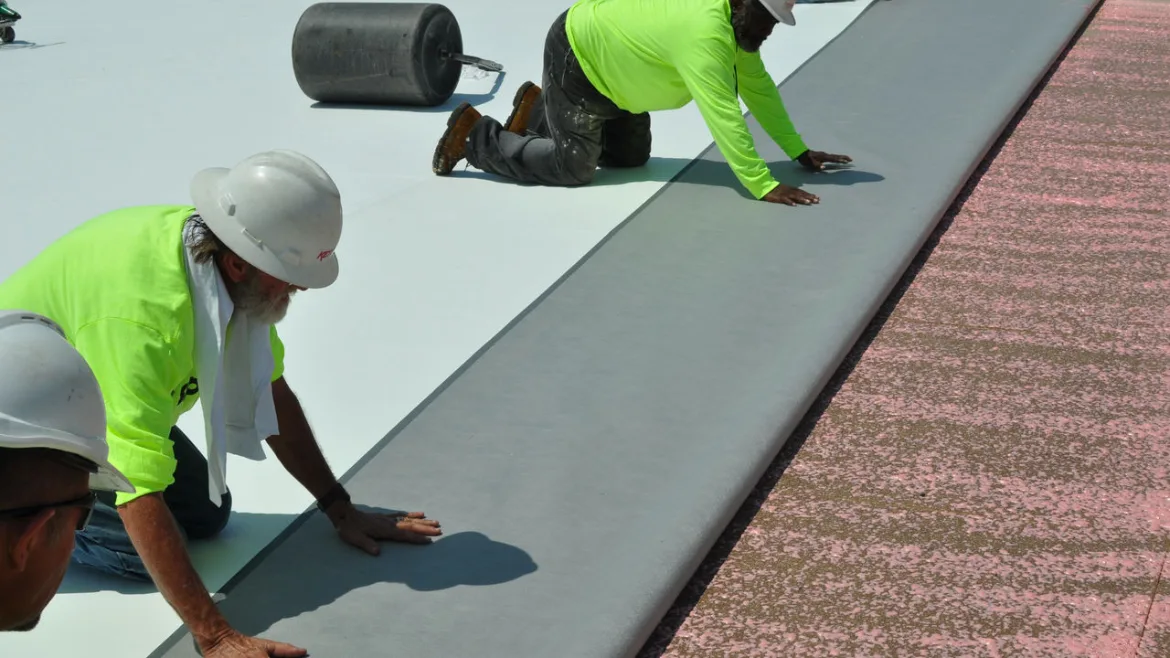
The tools and equipment required to coat a roof are simple, readily available, and affordable, making it an easy venue to explore.
Photo: MuleHide
What Are Roof Coatings?
Roof coating systems, or fluid-applied roofing systems, are restoration systems that extend the lifespan and enhance the performance of aging, but still sound, roofs. The coating system is applied to the existing roof, creating a seamless, waterproof and weather-resistant layer that protects the roof from the elements and can significantly improve the building’s energy efficiency.
Why Get into Coatings?
There are several reasons contractors should add coatings to the portfolio of services they offer.
- Market demand. In Roofing Contractor’s 2024 Commercial Roofing Trends Report, 41% of contractors responding said their coatings sales had increased in 2024, and 48% said they expected their coatings sales to grow in 2025. Analysts expect 11.91 million squares, valued at $1.3 billion, to be installed nationwide in 2028.
- Adding a powerful tool to the contractor’s belt. They can pursue jobs they otherwise could not. They have greater flexibility in crafting a roofing solution that will best meet the customer’s needs. They can offer clients multiple options to consider; for example, option one is making repairs to get the roof dried in for six to 12 months, option two is coating the roof, and option three is replacing the roof.
- Proven performance. Fluid-applied roofing systems have been used to return aging roofs to near-new condition since the 1950s. Coatings can delay the need to replace a roof for years. Lower labor and materials costs mean the price tag for coating a roof is typically less than that for replacing it. Normal building operations can continue with little disruption. The property owner’s liability is reduced because the building’s interior and contents are not exposed to the elements.
The coated roof will require minimal maintenance. It can be eligible for a no-dollar limit system warranty of up to 20 years. It can then be recoated for as long as it remains structurally sound, extending its life even further.
Coatings are also a sustainable choice, keeping old roofing material out of landfills and often significantly enhancing a building’s energy efficiency.
The barrier to entry is low. The investment of capital and time required to enter the fluid-applied world is low. For a steep-slope contractor looking to break into low-slope roofing, coatings are the easiest path.

Knowledge of surface preparation, including completing a moisture survey on an existing roof and making necessary repairs, is critical to installing coatings.
Photo: MuleHide
No Special Equipment Needed
The tools and equipment required to coat a roof are simple, readily available and quite affordable. Many contractors already have some of them in their collection.
Crews can complete a coating project with the following:
- Low-pressure sprayer (to apply cleaner to the roof)
- Power washer (to rinse the cleaner from the substrate)
- Drill with a mixing tip (to mix the coating)
- Extension pole
- Roller frame and ¾-inch nap rollers
- Chip brushes and squeegees
- Wet mil gauge
The last item on that list is crucial; so important, in fact, that manufacturers often provide it at no cost. Small and easy to use, it measures the thickness of a wet layer of coating, helping the contractor ensure that it has been applied evenly and at the thickness dictated in the specifications.
Meeting those specifications is key to the roofing system’s performance. If the coating is too thick, it may not cure correctly or adhere to the substrate properly, causing blistering, cracking, peeling and sagging. If it is too thin, it will not provide an adequate barrier against the elements, resulting in leaks and premature failure.
There is additional equipment that contractors may wish to purchase as their coatings work increases or if they will be tackling a larger job. These items are not required, but they are not major investments and can boost crew efficiency significantly:
- A surface cleaning attachment for the power washer will speed up surface preparation.
- Walk-behind spreaders with large rollers allow crews to cover a wider area with each pass.
- Sprayers can provide the fastest application, but they are a bigger investment and cannot be used when wind or proximity means overspray could reach neighboring buildings or the vehicles, people and other items below.
Train First to Avoid Mistakes
More important than equipment is training.
It may be counterintuitive, but the ease of entering the roof coating business and applying coatings can lead contractors into trouble. Coating a roof looks like painting, so they think they know what to do. They see that the capital investment will be small. So, they dive in without any training. The results are, inevitably, unacceptable. Time, money and material are wasted, and more of each may be required to fix the mistakes made.
Fluid-applied roofing is not paint. It is a multi-part roofing system in which the components work together to provide durable, waterproof and weathertight protection for the building. There are specifications to be met and steps to be followed to ensure the roof meets that goal. And not every low-slope roof is a candidate for coating. To be successful, a contractor must have basic knowledge of good roofing practices, understand how fluid-applied systems work and know how to apply coatings correctly.
The learning curve is not long or difficult, and manufacturers are eager to help. They want their contractors to deliver high-quality projects and be successful. Most provide training at no cost, either in their own training center or at the contractor’s facility.
Anyone involved in managing or selling coatings projects should complete a “Coatings 101” class covering the following topics:
- How coatings work to restore an aging roof.
- When a roof can be coated and when it should be recovered or replaced.
- How to assess a roof to determine whether it is a candidate for coating.
- The types of coatings systems available and how to choose the right one for a given job.
- How to create an accurate estimate for a coatings job.
- How to prepare the roof surface for coating.
- How to apply the coatings system correctly, including the techniques, sequence, timing and quantities.
- Mistakes that contractors often make when applying coatings, and how to avoid them.
- How to quality-check a project.
Application crews also need training before beginning their first coating job. It should include:
- Surface preparation, including completing a moisture survey to identify the location and severity of any moisture in the existing roof and then making necessary repairs.
- Correct application processes and techniques.
- Quality control, including measuring the wet mil thickness of a just-applied layer of coating.

Wet mil gauges are crucial pieces of equipment for installing coatings, and are often provided at no cost to contractors.
Photo: MuleHide
Tap Manufacturer Partners
Contractors should look to their manufacturer partners for support, too, both on their first job and as they expand their coatings business.
Ongoing training will keep contractors on top of the latest products, specifications and application instructions and provide tips to help them increase project quality and boost crew efficiency. Manufacturers’ representatives can help a contractor assess a roof to determine if it is a viable candidate for coating.
When a contractor has questions or needs advice, manufacturers’ representatives and technical experts are just a phone call or email away. Manufacturers’ representatives can also help contractors educate their customers about roof coatings. They are happy to explain the process, discuss why it is a good option for the customer’s roof, answer questions and otherwise back up the contractor’s recommendations.
Opportunity abounds for contractors in the low-slope roof coatings business. Seizing that opportunity is easy. With a few tools, a bit of training and the support of the coatings manufacturer, the contractor can quickly be primed for success.

Looking for a reprint of this article?
From high-res PDFs to custom plaques, order your copy today!