Roof Coatings 2025
Coatings Considerations for Roofing Contractors
Tariffs, rising prices and sustained concerns about supply chain could create winning conditions for roofing contractors in coatings.

Today’s fast-paced roofing environment places a premium on efficiency, versatility and durability. So, it’s no surprise that the influence of roof coatings on the marketplace continues to thrive. Certain market conditions and unknowns – such as the tariffs implemented and delayed over the past six months – are also fueling optimism for a strong finish to 2025.
While many roofing contractors and suppliers in the roof coatings market report flat growth over last year, another hot spring/summer season and rising utility costs continue to make coatings an attractive, low-investment pathway for building owners to slash overhead. And despite some pullback on government incentives for energy-saving regulations, there are still plenty of strict codes for contractors to comply with that should keep coatings relevant.
The global market for coatings (including performance coatings/paints) was estimated at about $105 billion in 2024, according to Fact.MR, a market research and competitive intelligence provider.
Sales are forecasted to reach $176 billion by the end of 2034, equaling expansion at a CAGR of 5.3%.
Increased awareness among consumers has led to adoption of of low-VOC and environmentally friendly coatings. That shift has spurred increased research and development in the segment to meet continuously-changing needs.

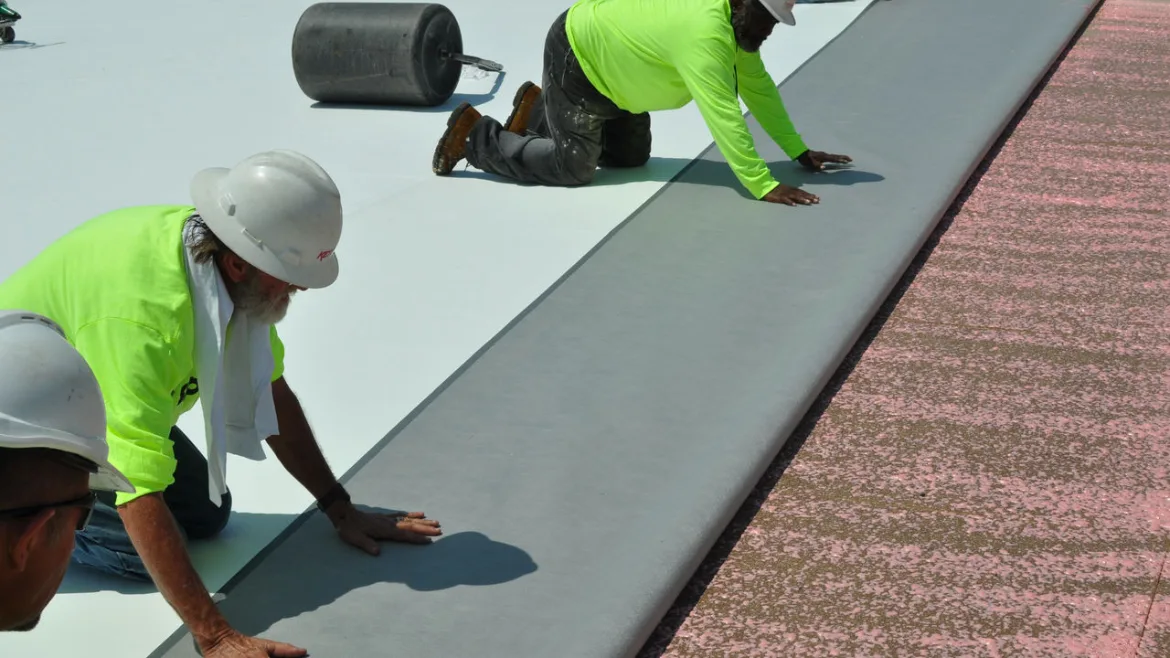
Photo: MuleHide Products
READY OR NOT
So the research indicates the demand for coatings with higher physical properties and great durability is driving the industry.
The increased pace of new construction projects, along with an emphasis on critical infrastructure like hospitals and data centers over the past few years has kept roofing contractors more than busy. Yet, reports of slowing backlogs surfaced in Q2 in some markets and bubbled up largely everywhere by mid-Q3.
“The coatings market in the West has been somewhat slow compared to last year, primarily due to low rainfall and fewer storms thus far,” said Cameron Webb, MuleHide’s territory manager covering Arizona and parts of Nevada and Texas. “But September and October are traditionally the busiest months for coatings and roofing in general in the West, so I expect an uptick in business to close out the year.”
Are roofing contractors ready for the potential coatings boom ahead?
Prices for acrylic and silicone coatings remain steady, but that could change if tariffs on copper, metals, and other foreign-sourced goods surge demand in coatings. Even so, the opportunity to restore an existing roof at a lower cost with a material that could further delay reroofing for years, without much disruption to current operations sounds appealing.
If the national economy is headed for a downturn, the coatings market also appears fairly insulated from a severe drop. Much of the materials are produced in North America and can be transported easily through existing distribution lines.
“During an economic downturn, a ‘repair, don't replace’ mentality makes roof coatings and maintenance projects appealing,” according to officials with BITEC in a written response to RC. “The ability to coat a roof in sections also allows for a simple, phased approach, making it easier to continue the project later.”
IN FOCUS
Roofers that responded to RC’s annual State of the Industry survey indicated the coatings sales market remains very strong.
Roughly 41% of contractors responding said their coatings sales had increased in 2024 and 48% said they expected their coatings sales to grow in 2025, according to Roofing Contractor’s 2024 Commercial Roofing Trends Report. Analysts expect 11.91 million squares, valued at $1.3 billion, to be installed nationwide in 2028.
It’s an exciting time to be involved in the segment given the collaborations and alliances, acquisitions and mergers, product innovations and differentiation underway. Additionally, the adoption of waterborne and powder coatings has resulted from the move toward ecologically friendly paints and coatings, which is further fueling market expansion.
Versatility in the market is key.
“Since no single coating is a "miracle in a bucket," a manufacturer should offer a full line—such as silicone, acrylic, and urethane—to tailor a system to the customer's specific needs,” BITEC officials said.
Staying versatile on the rooftop is impossible without proper training.
“Fluid-applied roofing offers tremendous opportunities for contractors to expand and grow their businesses, and training is the key to seizing them,” said MuleHide’s National Product Manager Mark Malin. “For a contractor looking to enter the low-slope fluid-applied world, the barriers are low, but they should not jump in without first learning the basics – good low-slope roofing practices, what coatings can (and can’t do), when a roof can (or must not be) coated, how to assess a roof to ensure it’s a good candidate for coating, and how to properly apply a fluid-applied system.”
Many manufacturers provide training on their products for free or minimal cost at their own facilities around the country. With more resources applied to innovation and technological advancements, the overall future of the roof coatings market looks lucrative for the right roofer.
“I’ve been sharing several points with contractors: Coatings pricing remains steady; warranties are available to match any recover application available; and coating a roof costs less than recovering or replacing it,” Webb said.

Looking for a reprint of this article?
From high-res PDFs to custom plaques, order your copy today!