Industry Q&A
Why Hargrove Roofing Bought Its Way Into New Orleans
Six months after acquiring Method Exteriors, Hargrove explains why local leadership and existing relationships made acquisition preferable to starting from scratch
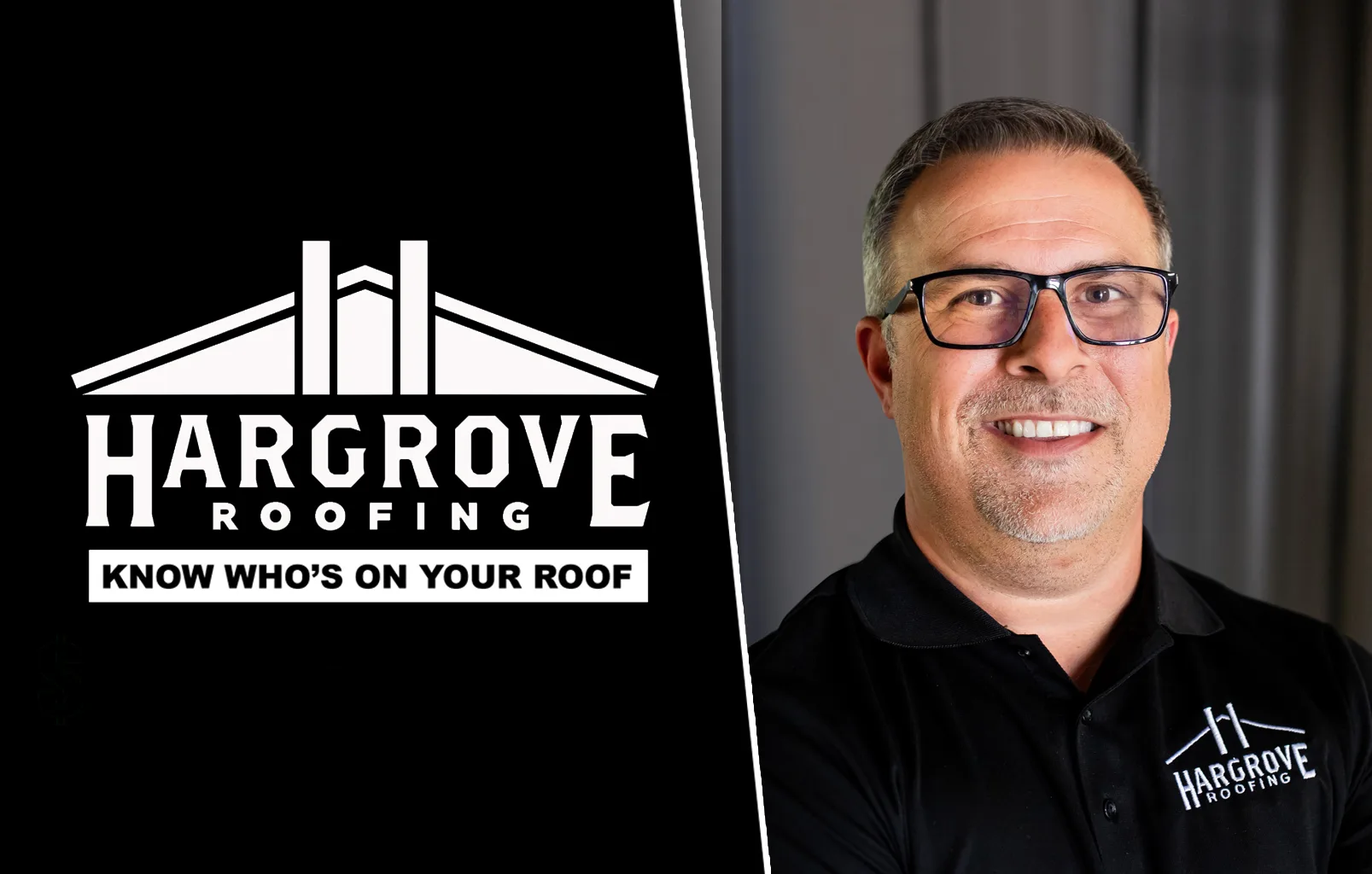
Hargrove Roofing’s expansion into New Orleans shows how contractors can enter a new market without starting from scratch.
Six months after acquiring Method Exteriors, Hargrove President and COO Ed Adams discusses why the company chose acquisition over a greenfield expansion, how insurance and FORTIFIED requirements are shaping demand, and what the Top 100 company has learned about growing in a storm-driven roofing market.
RC: What originally made New Orleans attractive enough to enter through an acquisition?
Ed Adams: New Orleans has been on our radar for a long time. It’s one of the biggest roofing markets in the Gulf South, and the need there isn’t going away. Between hurricane exposure, older housing stock, and insurers paying close attention to roof age, homeowners in Southeast Louisiana think about their roofs more than almost anyone in the country. We also already had a strong footprint across Louisiana, so New Orleans was a natural next step. The question was never whether to go there. It was how to go there the right way.
RC: Why was acquiring Method Exteriors preferable to opening a branch from scratch?
Adams: Relationships. In a market like New Orleans, trust is everything, and you can’t manufacture it overnight. Method Exteriors had already built a reputation for quality workmanship and treating customers right, and Ryan Adler and his team share our values. Starting from scratch would have meant years of building crews, vendor relationships, and name recognition. Through this acquisition, we got a team that already knows the neighborhoods, the permitting, and the people. We bring the resources and systems of a larger platform; they bring local credibility. That combination is hard to beat.
RC: What has surprised you most about operating in the New Orleans roofing market?
Adams: How informed homeowners are. People here are working hard to understand wind ratings, insurance discounts, and grant programs in a way you don’t see in many markets, because the updated requirements have made it necessary. That changes the sales conversation. You’re not just selling a roof; you’re helping someone navigate insurance, financing, and in some cases state grant programs. We’ve also learned how much the regulatory side matters, like the city’s newer permitting requirements for roof replacements. Fortunately, we have several seasoned team members with the background and knowledge to guide homeowners through all of it and get them across the finish line.RC: Are you seeing FORTIFIED become a meaningful part of the business yet?
Adams: It’s still a small part of our business, but it’s growing. Our New Orleans team builds to the FORTIFIED Roof standard, and demand has picked up as more homeowners learn about the insurance discounts and the state grant program. With the team we’ve added there, we’re excited to watch that part of the business grow. What I like about FORTIFIED is that it aligns everyone’s interests. The homeowner gets a stronger roof and lower premiums, insurers get less risk, and contractors who do it right get to compete on quality instead of price.”
Related: Contractor Profile: Hargrove Roofing & Construction
RC: What financial or operational metrics will tell you the acquisition has been successful?
Adams: On the financial side, we’re looking at revenue growth against our plan, gross margin, and how efficiently we convert leads to signed jobs. Operationally, we watch cycle time from contract to completion, warranty callbacks, safety performance, and customer reviews. But honestly, one of the most important measures is people. If we keep the team that built Method Exteriors, and they’re growing in their careers with us, that tells me we did this right. Numbers follow culture.
RC: Six months in, how is the New Orleans market performing compared with what you expected?
Adams: It’s right on track with our plan. The team has handled the transition well, and we’ve been able to keep projects moving without disruption for customers. We’re also seeing healthy demand as the insurance market stabilizes and homeowners feel more confident investing in their homes.
RC: How are insurance conditions affecting roofing demand and customer buying decisions?
Adams: Insurance is driving a lot of decisions right now. Roof age has become a major factor in whether homeowners can get or keep coverage, and at what price. That’s pushed some homeowners to replace roofs proactively rather than wait for a storm. At the same time, the market is improving, with more carriers coming back into Louisiana, and homeowners with new or FORTIFIED roofs are seeing the best results. So customers are asking smarter questions: not just ‘what does this roof cost,’ but ‘what will it do for my premium."
RC: Does the new 15-year FORTIFIED redesignation limit change how you forecast future reroofing demand?
Adams: It’s something we’re watching closely, but it’s still early, and we want to see how the details shake out with IBHS and the insurers before we draw conclusions. What doesn’t change is our job today: build every roof to the highest standard, document it properly, and make sure homeowners understand what their designation means and how to maintain it. Whatever the long-term picture looks like, a well-built roof is still the best protection a homeowner can have.
Related: Hargrove Roofing Channels ‘The Office’ in Celeb-filled Commercials
RC: What would you do differently when entering Hargrove’s next market?
Adams: Honestly, the biggest lesson from New Orleans is something we’d repeat, not change: lead with people. Bringing in [New Orleans Branch President] Ryan Adler has been one of the best decisions we’ve made. He’s been a great addition to the team, and having a leader who already knows the market and shares our values made everything easier. We’re always excited to add talented people like Ryan in any market. If anything, we’d look for that kind of local leadership even earlier in the process, because the right person on the ground makes every other part of an expansion go smoother.
RC: What should other roofing contractors understand before expanding into a storm- and insurance-driven market like New Orleans?
Adams: Don’t treat it like a storm chase. Storm markets attract a lot of contractors who come in after a hurricane and leave when the work dries up, and homeowners remember that. If you’re going to expand somewhere like New Orleans, commit to being there in the quiet years too. Learn the insurance landscape, the grant programs, and the local permitting rules, and invest in a local team. And be ready for peaks and valleys, because one hurricane season can change your entire year. The contractors who win long term are the ones homeowners trust before the storm, not just after.
Looking for a reprint of this article?
From high-res PDFs to custom plaques, order your copy today!