IRE 2026 Session Preview
Building Your Roster by Focusing on Repair and Maintenance
Tracey Donels explains how to use your repair and maintenance operations to build a reliable growth machine that drives success.
Commercial roofing contractors start 2026 in an unpredictable spot. While the prior started off with so much promise and optimism, the industry experienced an undeniable lull in activity by Q4. Roofers reported diminished backlogs while new construction starts slowed to a trickle. After back-to-back record years in significant storm activity, the lack of sustainable storm work impacted both residential and commercial markets. While residential roofers pushed through by placing a greater emphasis on retail roof sales, commercial crews turned to maintenance and repairs.
At the same time, the roofing industry can be a lucrative business, whether there’s a lot of new construction underway or in markets where inventory is plentiful. Where some contractors can really excel beyond their competition is whether they’re able to capture revenue from preventative roof maintenance agreements with customers in large volume.

Building Your Roster by Focusing on Repair and Maintenance
Speaker:
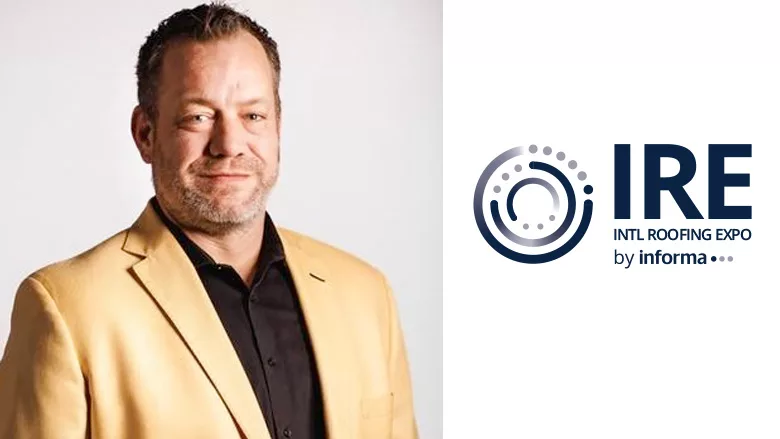
Tracey Donels, Founder, Service First Solutions
Date: Jan. 22
8:30 a.m. to 9:30 a.m.
Location: W220
Tracey Donels has seen this scenario play out in the roofing industry before – where broad economic concerns can slow down roofing demand. What he learned about turning reasonable caution from facility owners into business opportunities for roofers – through service and maintenance -- helped develop a new revenue stream at a powerhouse roofing enterprise in Dallas. He since launched Service First Solutions, a consulting firm that specializes in helping commercial roofing contractors grow service and maintenance departments. Donels saw that excelling at service not only propelled the companies he worked with to reach new revenue goals, but also transformed crew members into future industry leaders.
He'll bring that formula to life in an educational presentation at the International Roofing Expo session at 8:30 a.m., Thursday, Jan. 22. RC asked him to preview the session in this exclusive Q&A.
Why is maintenance such a good training ground for roof technicians/installers?
TD: Commercial roofs often fail at the details. Service technicians are often repairing and reinstalling details, which is often the trickiest part of installing a good roof as well. They have to interact with decision makers and customers on a routine basis, which builds their social and sales skills.
What are the keys to building crews/future roofing talent this way?
TD: In repairing maintenance, the communication between the two people on the team is more important than their actual skill set. The ability to communicate, work as a team, and learn from each other will go a lot farther than raw skills.
Is this an undervalued aspect to the workforce issue in roofing, and is that about to change given the workforce challenges?
TD: I do believe it has always been undervalued, but at certain times, repair and maintenance has their moments. Particularly in weather response and in an economic shortfall. In bad weather conditions or in a material shortage, contractors often find their way back to service. Then it’s just a matter of whether they stay there.
How do you teach this talent? Can it be done in-house or do you need outside training?
TD: I believe you need a mix of both. Unfortunately, a lot of contractors simply don’t have an onboarding or a training process. In repair and maintenance jt’s not that difficult because we can concentrate on the details. If we get really good at the details to practice, that allows us to become a lot better in the real-world situation when we’re out there, solving problems and fixing roofs every day. We don’t need to train once a year. We need to practice routinely.
Is it harder or easier to start a maintenance division today than in the past?
TD: I think it’s easier because customers understand the need for preventive maintenance now more than they used to; there’s more work out there; and many roofers still do not know the value of repair and maintenance.
What do you hope contractors get from your presentation?
TD: I want them to understand that building a training program that can be beneficial to your entire roofing organization does not have to be incredibly difficult. And it does not have to be incredibly time-consuming. You just need a plan.
Where do you start as a roofing contractor?
TD: Start with creating a skills matrix so you know what skills you want each position to have. We will get into this more in the presentation.
Are there any big barriers to overcome in order to implement some of your recommendations right away?
TD: The biggest barrier I believe is knowing that it will take time. Nothing is automatic and nothing is overnight. But if we have routine practice session set up and place for people to follow as they grow with the company, incredible growth can be seen over time. This is why we use the corn imaging in our marketing. The day you plant the seed is not the day you harvest crop.
Looking for a reprint of this article?
From high-res PDFs to custom plaques, order your copy today!