search
cart
facebook twitter linkedin youtube instagram Spotify Podcasts Apple Podcasts Spotify Podcasts Apple Podcasts
  • Sign In
  • Create Account
  • Sign Out
  • My Account
  • NEWS
  • TOPICS
    • Cool Roofing
    • Event News
    • Latinos in Roofing
    • Low Slope
    • Legal
    • Metal
    • Project Profiles
    • Roofing Supply Pro
    • Roofing Safety
    • Steep Slope
    • Sustainable Roofing
    • Technology
  • EXCLUSIVES
    • Best of Success
    • Contractor Profile
    • IRE Show
    • Roofing Contractor of the Year
      • Enter Roofing Contractor of the Year
    • Top 100
      • Enter the Top 100
    • Young Guns
    • State of the Industry
  • MULTIMEDIA
    • Videos
    • Podcasts
    • Interactive Spotlights
    • Roofing Quizzes
    • IRE Videos
    • Webinars
    • Photo Galleries
  • PRODUCTS
    • New Products
    • Featured Products
  • COLUMNS
    • Editor's Note
    • Exit Planning
    • Guest Column
  • EVENTS
    • International Roofing Expo
    • Webinars
    • Best of Success Conference
    • Industry Events
  • DIRECTORY
    • Associations
    • Distributors
    • Manufacturer/Supplier
    • Business Services
    • Get Listed
  • MORE
    • Roofing Contractor Newsletters
    • Techos y Más Advisory Board
    • RC Store
    • Roofing Supply Pro
    • Custom Content & Marketing Services
    • Market Research
    • Sponsor Insights
    • Company Spotlights
    • Classifieds
      • Auctions
      • Business For Sale
      • Business Opportunities
      • Equipment For Sale
      • Positions Available
      • Products
      • Safety
      • Software
      • Services
      • Training
    • Contact Us
  • EMAGAZINE
    • eMagazine
    • Advertise
      • Editorial Calendar
      • Contact
    • Archive Issues
  • SIGN UP!
ColumnsLow Slope RoofingSteep Slope Roofing

Trump Pushes Paid Parental Leave Policy

Employers should start to prepare now so they're ready for any new changes to federal laws.

By Richard Alaniz
Paid Parental Leave Policy
The Pregnancy Discrimination Act, an amendment to Title VII of the Civil Rights Act of 1964, makes it illegal to discriminate against women based on pregnancy or related conditions.
Paid Parental Leave Policy
Under the Family and Medical Leave Act (FMLA), eligible employees can take up to 12 workweeks of job-protected unpaid leave for the birth or adoption of a son or daughter or to bond with a newborn or newly placed adopted son or daughter.
Paid Parental Leave Policy
May 5, 2017

President Donald Trump announced his intention to work on making childcare more accessible in a bi-partisan fashion during his first address before a joint session of congress. It signals a substantial shift in paid leave in the United States.

During the presidential campaign, Trump made maternity leave a signature issue. Now that he’s in the White House, he appears intent on pursuing paid leave for new parents who don’t receive time off from their employers.

During Trump’s February meeting with Canadian Prime Minister Justin Trudeau, the two leaders discussed challenges facing women in the workforce and announced the creation of the United States-Canada Council for Advancement of Women Entrepreneurs and Business Leaders. According to a joint statement issued by the White House, “It is a priority of both countries to ensure equal opportunities for women in the workforce. We are committed to removing barriers to women’s participation in the business community and supporting women as they advance through it.”

Trump originally announced a plan to implement maternity leave last September. His plan, created with the input of his oldest daughter Ivanka, includes six weeks of paid maternity leave for women whose companies don’t offer paid time off. Trump’s first joint speech to congress may indicate that the plan will also apply to all new parents, but he has yet to reveal a formal proposal with this change.

With Trump’s renewed emphasis on the issue, employers should start to prepare now so they’re ready for any new changes to federal laws. 
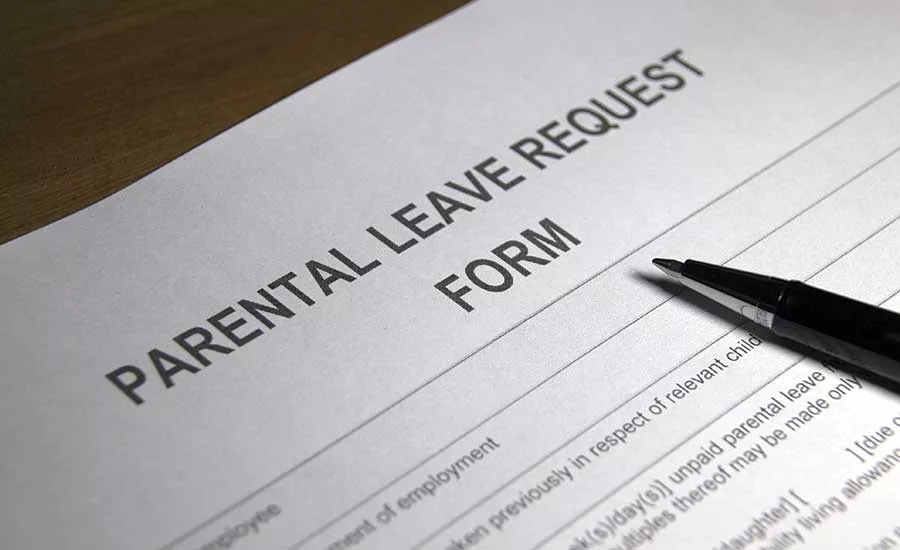
Federal and State Laws that Impact Maternity Leave

Currently, there are no federal laws that require paid maternity leave in the United States. However, there are several laws that impact pregnant employees, new parents and their employers. Under the Family and Medical Leave Act (FMLA), eligible employees can take up to 12 workweeks of job-protected unpaid leave for the birth or adoption of a son or daughter or to bond with a newborn or newly placed adopted son or daughter.

The Pregnancy Discrimination Act, an amendment to Title VII of the Civil Rights Act of 1964, makes it illegal to discriminate against women based on pregnancy or related conditions.

Under Section 7 of the Fair Labor Standards Act, employers must provide reasonable break time for an employee to express breast milk for her nursing child for one year after the child’s birth. Employers must also provide a place for nursing mothers, other than a bathroom, that’s shielded from view and free from intrusion from coworkers and the public.

Currently only California, New Jersey, and Rhode Island provide some paid family leave to new parents. New York has similar legislation that will take effect in 2018. Other states, such as Oregon and Maine, provide unpaid leave for those who aren’t eligible to take time off under FMLA.

Moreover, five states and the District of Columbia require employers to allow workers to earn paid sick days that can be used to care for a spouse or partner recovering from childbirth. Arizona and Washington will join these states on July 1 and Jan. 1, 2018, respectively. Some states, such as Hawaii, entitle women to temporary disability insurance if they’re unable to work while pregnant.

Last year, San Francisco passed what’s been called the most generous maternity leave policy in the country. The law builds on California’s paid parental leave law and provides all new parents with 100 percent paid leave for six weeks. It took effect on Jan. 1 for companies with more than 50 employees. Next year, companies with 20 or more workers will need to comply.

A New Push for National Paid Parental Leave

Trump hasn’t yet submitted a proposal for paid parental leave to congress. Before the inauguration in January, members of Trump’s transition team held a conference call with staff members of the House of Representatives’ Ways and Means Committee to discuss a plan, according to media reports. The plan Trump announced during his campaign guaranteed six weeks of paid maternity leave for mothers who have given birth and who don’t receive paid time off from their employers. It didn’t extend paid leave to fathers or adoptive mothers. According to a report from CNN, the proposal will be part of a broader tax reform package that would cost $300 billion.

Whether the Republican majority in congress will be eager to pass Trump’s proposal remains to be seen. When Barack Obama called for laws offering paid maternity and sick leave in his 2015 State of the Union address, congress failed to pass any legislation.

Next Steps

While the situation regarding paid maternity leave remains unsettled, employers should take several steps so they’re prepared for any new laws.

Stay on top of new proposals.

Employers should proactively monitor any proposed legislation at the federal and state levels. Business associations, HR staff, in-house counsel and law firm attorneys should be regularly consulted, so employers are not blind-sided by the regulatory or financial fallout of any new laws.

Comply with current laws.

With the current patchwork of federal, state and local laws governing time off for new parents, now’s an excellent time for organizations to work with HR and legal counsel to review their current policies and procedures and make sure they’re in compliance. By ensuring they’re currently up-to-date, it’ll be easier to adapt to any new laws that may emerge. This is particularly true for companies that operate in multiple states or those in states where new laws will soon take effect, such as New York.

Consider refresher training and updates.

With the topic of paid parental leave in the news, employees may be wondering about laws and rules that impact them. This is a good opportunity to communicate with employees and provide extra training to supervisors and managers, so everyone understands the company’s policies and expectations.

As the Trump administration pushes for sweeping changes in the regulatory landscape, including parental leave, employers should start planning. Working with knowledgeable professionals now will help lay the groundwork for changes that could significantly impact employers and their workers.

KEYWORDS: family business President Donald Trump wages

Share This Story

Looking for a reprint of this article?
From high-res PDFs to custom plaques, order your copy today!
Richard D. Alaniz is senior partner at Alaniz and Schraeder, a national labor and employment firm based in Houston. He has been at the forefront of labor and employment law for over thirty years, including stints with the U.S. Department of Labor and the National Labor Relations Board. He is a prolific writer on labor and employment law and conducts frequent seminars to client companies and trade associations across the country. For more information, call Alaniz at 281-833-2200.

Recommended Content

JOIN TODAY
to unlock your recommendations.

Already have an account? Sign In

  • two-roofers-in-harnesses-on-tile-roof

    How AI Is (and Isn’t) Impacting Roofing Jobs

    A new study from Microsoft shows artificial intelligence...
    Roofing News
    By: Chris Gray
  • Baker-Roofing-Company-employees-on-flat-roof-examinining-paperwork

    Exclusive: 2025’s Top 100 Roofing Contractors

    Roofing Contractor's 2025 Top 100 list reveals revenue...
    Top 100 Roofing Contractors
    By: Chris Gray
  • A before and after heat measurement comparison

    How Hot is Too Hot in the Attic?

    If the ventilation is working, how hot should the attic...
    Columns
    By: Paul Scelsi
You must login or register in order to post a comment.

Report Abusive Comment

Manage My Account
  • eMagazine Subscription
  • Sign Up for the Newsletter
  • Online Registration
  • Manage My Preferences
  • Subscription Customer Service

More Videos

Sponsored Content

Sponsored Content is a special paid section where industry companies provide high quality, objective, non-commercial content around topics of interest to the Roofing Contractor audience. All Sponsored Content is supplied by the advertising company and any opinions expressed in this article are those of the author and not necessarily reflect the views of Roofing Contractor or its parent company, BNP Media. Interested in participating in our Sponsored Content section? Contact your local rep!

close
  • A finished commercial roof, including flashings
    Sponsored byFlashCo

    It’s All in the Details – How to Avoid 4 Common Mistakes with Roofing Accessories

  • Happy mature couple using phone holding credit card making payments. Middle aged older man and woman doing ecommerce shopping on smartphone booking or buying online on mobile sitting at home table.
    Sponsored byWatercress Financial

    Meeting Modern Expectations: Why Offering Financing Is Essential for Roofers Today

  • A roofing contractor stands on a roof behind an American flag
    Sponsored byTAMKO®

    Building Roofs, Building Community: TAMKO’s Lasting Commitment to Veterans and the Military

Popular Stories

TWS Remodeling team

Private Equity Fallout Rocks Roofing; Pros Step In

Malarkey-logo-with-Charles-Collins-headshot

Malarkey Roofing Products Announces New President

roofer-safety-harness-construction.jpg

OSHA's Top 10 Most Cited Violations of 2025

Roofing Contractor Bookstore

Related Articles

  • LS_Img1_1170-(2).jpg

    Paid Family and Medical Leave – A Democratic Priority

    See More
  • Photo credit: StefaNikolic/E+ via Getty Images.

    Paid Leave Laws – What to Expect

    See More
  • Coping With Mandatory Sick Leave Policies

    See More

Related Products

See More Products
  • gco.png

    Contractor's Guide to Change Orders

  • 007145828X.jpeg

    Manual of Low-Slope Roof Systems Fourth Edition

  • roofingconstructionestimatingrevised_web_1.png

    Roofing Construction & Estimating Revised

See More Products

Related Directories

  • Polyisocyanurate Insulation Manufacturers Assn. (PIMA)

    Since 1987, PIMA (Polyisocyanurate Insulation Manufacturers Association) has served as the voice of the rigid polyiso industry. PIMA is one of the foremost industry advocates for building energy-efficiency practices and policies. The Association represents the public policy interests of the polyiso industry at the local, national, and international levels to advance the message of high-performance building construction. PIMA's membership includes manufacturers of polyiso insulation and suppliers to the industry. The products of PIMA's members comprise the majority of the polyiso produced in North America.
×

Be in the forefront of the roofing industry!

Join thousands of professionals today. Shouldn’t you know what they know?

JOIN NOW!
  • RESOURCES
    • Advertise
    • Contact Us
    • Directories
    • Store
    • Want More
  • SIGN UP TODAY
    • Create Account
    • eMagazine
    • Newsletters
    • Customer Service
    • Manage Preferences
  • SERVICES
    • Marketing Services
    • Reprints
    • Market Research
    • List Rental
    • Survey/Respondent Access
  • STAY CONNECTED
    • LinkedIn
    • Facebook
    • Instagram
    • YouTube
    • X
  • PRIVACY
    • PRIVACY POLICY
    • TERMS & CONDITIONS
    • DO NOT SELL MY PERSONAL INFORMATION
    • PRIVACY REQUEST
    • ACCESSIBILITY

Copyright ©2025. All Rights Reserved BNP Media.

Design, CMS, Hosting & Web Development :: ePublishing