Roofing Safety
Safety Spotlight: KPost Company’s Luciano Perez
Luciano Perez prioritized roofing safety as a career upon realizing that too many injuries were being treated as part of the job. He’s been fighting that perception ever since.
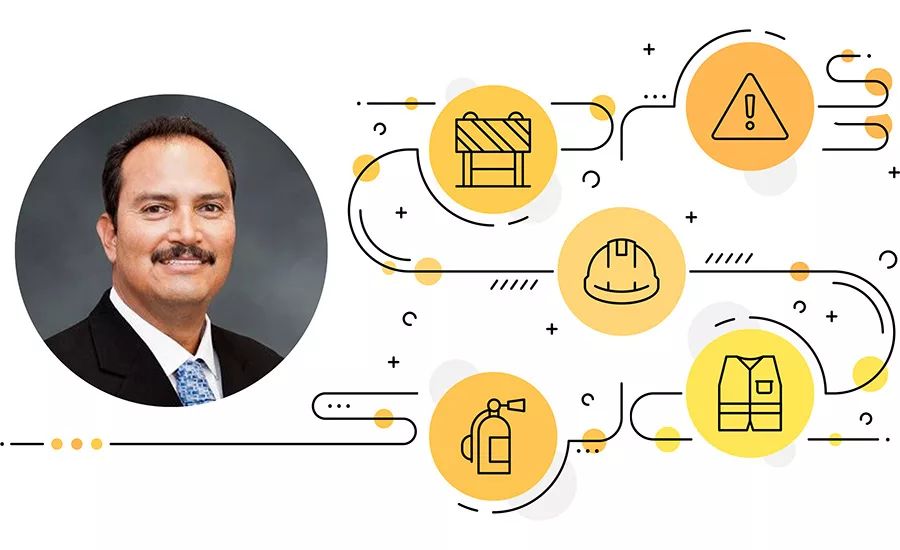
Luciano Perez was drawn to the roofing industry because of its hands-on nature, fast-pace, and built around real people doing real work. Early on in his roofing career, he said he saw something in just how demanding the work was, and how much responsibility roofers carry every day just to do their jobs.
“Roofing is one of those trades where you immediately see the results of your effort, and you also quickly understand the risks involved,” he said.
Luciano Perez
Age: 58
Company, Title: KPost Company Safety Director
Where’s Home? Arlington, Texas
Experience: 33 Years in the Roofing Industry
Family: Married, two children
Perez found my niche in roofing safety after realizing that too many injuries and near misses were being treated as “part of the job.” Seeing hardworking people get hurt—often in preventable situations—made it clear that safety wasn’t just about rules or compliance, but about leadership, planning, and accountability.
“I recognized that good safety programs could protect lives while also improving morale and performance,” Perez explained.
Over time, he said he learned that the most effective safety work happens in the field, not behind a desk. Building relationships, understanding jobsite pressures, and communicating across cultures became just as important as knowing the regulations. That’s where I found my purpose—helping crews work smarter, safer, and with confidence, so they can go home to their families at the end of every day. Here’s more of our conversation.
How do you manage safety for such a large and diverse organization like KPost?
LP: As a safety director, my role is to build systems that protect people while respecting the realities of a large, diverse workforce. That starts with understanding that safety cannot be one-size-fits-all—especially in an industry with multiple languages, cultures, experience levels, and job conditions.
I manage safety by focusing on clear expectations, consistent standards, and flexible delivery. Our policies and procedures are consistent across the company, but how we communicate them varies. We use bilingual training, visual aids, hands-on demonstrations, and field-based coaching to make sure everyone understands not just the rules, but the reasons behind them.
Strong leadership in the field is critical. I work closely with superintendents and foremen, equipping them to be safety leaders—not enforcers. They are the daily connection between policy and practice, so we invest heavily in their training, accountability, and communication skills.
I also prioritize presence and trust. Regular jobsite visits, open conversations, and follow-up on concerns show crews that safety is about people, not paperwork. We encourage workers to speak up, stop work when needed, and participate in identifying hazards without fear of retaliation.
Ultimately, managing safety in a large, diverse organization means building a culture where everyone—regardless of background—feels respected, heard, and responsible for one another. When people feel valued and included, safety becomes a shared commitment rather than a requirement.
How do you effectively break down communication barriers on a jobsite?
LP: Breaking down communication barriers on a jobsite starts with intentional leadership and simple, consistent practices.
First, communicate clearly and simply. Use plain language, avoid jargon, and keep instructions short and direct. When possible, show rather than tell—demonstrations, pictures, and hands-on examples are often more effective than long explanations.
Second, meet people where they are. Language and cultural differences are common on jobsites, so using bilingual supervisors, translated materials, and visual signage helps ensure everyone understands expectations. Just as important is checking for understanding by asking workers to repeat or demonstrate what was discussed.
Third, create a safe environment for speaking up. Workers need to know they can ask questions, report hazards, or stop work without fear of embarrassment or retaliation. When leaders listen respectfully and act on concerns, trust grows and communication improves.
Finally, be present and consistent. Regular walk-throughs, brief daily huddles, and one-on-one conversations in the field show that communication is not just a meeting—it’s an ongoing process. When crews see leaders engaged and approachable, barriers come down and teamwork, safety, and productivity all improve.
Do you have any cautionary safety-related roofing experiences to share?
LP: Yes—there are several cautionary experiences that have shaped how I approach safety, and they’ve been some of the most powerful lessons of my career.
I’ve also been involved in situations where OSHA violations resulted in work stoppages and strained client relationships. In one case, a site was shut down due to inconsistent fall protection practices between crews. Even though the intent was there, lack of enforcement and accountability cost the company time, money, and credibility. That experience reinforced the importance of consistency and supervisor ownership across all jobsites.
There have also been times when safety deficiencies cost us work. Losing a bid or a crew being removed from a project because a client questioned our safety controls was difficult, but it sent a clear message: safety performance is business performance. Those experiences were frustrating, but they ultimately strengthened our program and helped drive long-term improvements that benefited both our people and the company.
Can you share any ‘proudest moments’ in safety?
LP: Some of my proudest moments in safety aren’t tied to a single award, but to clear signs that the culture is working.
One proud moment that stands out is when field employees began stopping work on their own to address unsafe conditions, without waiting for management. Seeing a foreman shut down a task, correct the hazard, and explain the decision to his crew showed that safety had become a value, not just a rule.
I’m also proud of the recognition our teams have received—whether through client safety awards, improved OSHA inspection outcomes, or internal recognition for foremen who lead by example. But the moments that matter most are quieter ones: when a worker thanks you for pushing safety because it allowed them to go home safe, or when someone speaks up and prevents an incident before it happens. Those moments confirm that the work we do truly makes a difference.
You and others have been at this a long time with measurable success, but why is roofing still such a deadly occupation? Does it ever get frustrating for you?
LP: Roofing is still one of the deadliest occupations because it combines multiple high-risk factors every single day: working at heights, changing weather conditions, time pressure, physically demanding labor, and a workforce that often includes new or transient workers. Even with better equipment and clearer regulations, one shortcut, one missed tie-off, or one moment of complacency can have fatal consequences. The reality is that safety systems only work when they are used consistently, and consistency is still the industry’s biggest challenge.
Yes, it can be frustrating—especially when incidents happen that are completely preventable. After years of training, mentoring, and investing in safety, seeing the same types of accidents repeat themselves can be discouraging. But that frustration is also what fuels the commitment to keep pushing forward. Every conversation, every training, and every correction matters, because even if it prevents just one fall or saves one life, the effort is worth it. The goal isn’t perfection; it’s persistence—continuing to improve, continuing to educate, and continuing to protect people in one of the most demanding jobs in construction.
What can every roofer do today (easily) to help their crews stay safe, or emphasize safety?
LP: Every roofer—regardless of title or experience—can take simple actions today that make a real difference in safety.
Start with a quick daily conversation. Take a few minutes before work begins to talk about the specific hazards of the day—edges, access points, weather, tie-off locations, or material handling. This small step sets expectations and keeps safety front and center.
Lead by example. Wear your PPE correctly, tie off every time, and follow the same rules you expect your crew to follow. Consistency from leaders and experienced workers sends a powerful message.
Speak up and listen. Encourage crew members to point out hazards, ask questions, or stop work if something doesn’t feel right—and back them up when they do. A culture where people feel heard prevents accidents.
Finally, fix the simple things immediately. Make sure ladders are secured, anchors are installed, and walk paths are clear. These easy, everyday actions—done consistently—build strong habits and help ensure everyone goes home safe at the end of the day.
What does the future of roof safety look like? Are you encouraged and why?
LP: The future of roof safety is trending in the right direction—and yes, there are many reasons to be encouraged.
Right now, we’re seeing better technology, stronger equipment, and smarter training than ever before. Innovations like advanced fall-arrest systems, more user-friendly anchors, and digital tools for hazard recognition all help reduce risk. Training is becoming more interactive and accessible, with hands-on simulations and visual aids that stick with people far more than old lecture-style sessions.
We’re also seeing a culture shift in the industry. Younger roofers and new crews often come in expecting safety gear and procedures to be part of the job—not something extra. That cultural change matters a lot because safety isn’t just about rules; it’s about people’s beliefs and habits.
Data and accountability are improving too. With better incident tracking, companies can pinpoint trends and address specific hazards before they become accidents. When job sites use data to drive decisions instead of reacting after a serious event, everyone benefits.
Yes, there are challenges remaining—roofing will always be inherently risky—but the momentum is positive. More contractors are investing in safety equipment and training, more workers are empowered to speak up about hazards, and the industry as a whole is beginning to see that strong safety equals strong performance.
So, the future of roof safety looks more informed, more proactive, and more human-centered than ever before—and that’s something worth being encouraged about.
Looking for a reprint of this article?
From high-res PDFs to custom plaques, order your copy today!

.webp?height=740&t=1781278983&width=auto "KEE(2).png")