search
cart
facebook twitter linkedin youtube instagram Spotify Podcasts Apple Podcasts Spotify Podcasts Apple Podcasts
  • Sign In
  • Create Account
  • Sign Out
  • My Account
  • NEWS
  • TOPICS
    • Cool Roofing
    • Event News
    • Latinos in Roofing
    • Low Slope
    • Legal
    • Metal
    • Project Profiles
    • Roofing Supply Pro
    • Roofing Safety
    • Steep Slope
    • Sustainable Roofing
    • Technology
  • EXCLUSIVES
    • Best of Success
    • Contractor Profile
    • IRE Show
    • Roofing Contractor of the Year
      • Enter Roofing Contractor of the Year
    • Top 100
      • Enter the Top 100
    • Young Guns
    • State of the Industry
  • MULTIMEDIA
    • Videos
    • Podcasts
    • Interactive Spotlights
    • Roofing Quizzes
    • IRE Videos
    • Webinars
    • Photo Galleries
  • PRODUCTS
    • New Products
    • Featured Products
  • COLUMNS
    • Editor's Note
    • Exit Planning
    • Guest Column
  • EVENTS
    • International Roofing Expo
    • Webinars
    • Best of Success Conference
    • Industry Events
  • DIRECTORY
    • Associations
    • Distributors
    • Manufacturer/Supplier
    • Business Services
    • Get Listed
  • MORE
    • Roofing Contractor Newsletters
    • Techos y Más Advisory Board
    • RC Store
    • Roofing Supply Pro
    • Custom Content & Marketing Services
    • Market Research
    • Sponsor Insights
    • Company Spotlights
    • Classifieds
      • Auctions
      • Business For Sale
      • Business Opportunities
      • Equipment For Sale
      • Positions Available
      • Products
      • Safety
      • Software
      • Services
      • Training
    • Contact Us
  • EMAGAZINE
    • eMagazine
    • Advertise
      • Editorial Calendar
      • Contact
    • Archive Issues
  • SIGN UP!
Low Slope Roofing

How Thick is Too Thick When Installing Polyiso Roof Insulation?

The answer may seem obvious, but understanding the reasons why are important to a roof's integrity
By Marcin Pazera Ph.D.
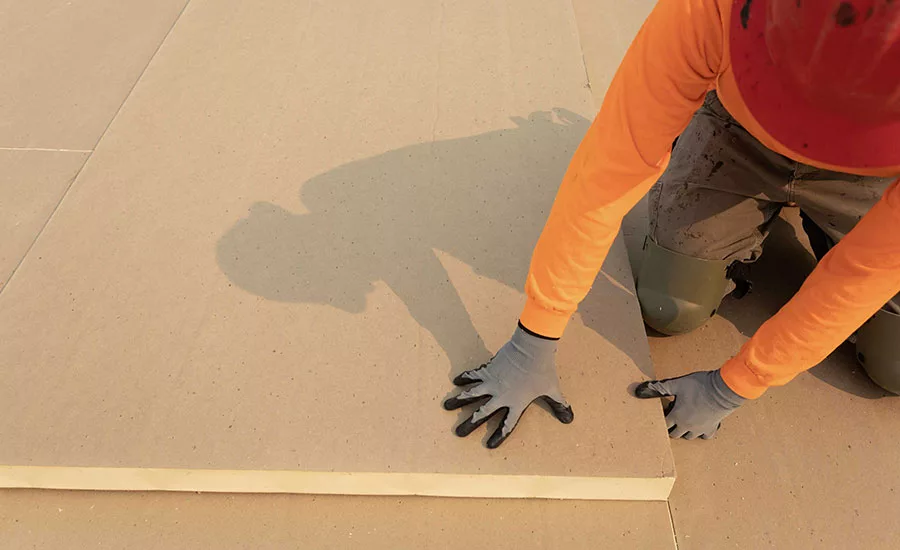
polyiso roof insulation boards
Wide thickness options in polyiso roof insulation boards help project teams meet individual project needs and code requirements.
Photo credit: PIMA
May 20, 2024

Polyisocyanurate, or polyiso, roof insulation boards provide a versatile and energy-efficient solution for low-slope commercial roofing projects. From new construction to reroof projects on existing buildings, polyiso’s high R-value allows project teams to meet energy code targets with less material than alternative products. 

Polyiso roof insulation boards are manufactured with different facer types that deliver strength, dimensional stability, and unique properties for various applications. Polyiso high-density roof cover boards and tapered insulation products complete the portfolio of polyiso roofing products that deliver performance for any roofing project. 

What Are the Available Thicknesses of Polyiso Insulation Boards?

Manufacturers produce polyiso roof insulation boards in a wide range of thicknesses. This allows project teams to specify products based on individual project needs and code requirements. Typical thicknesses for polyiso insulation range from 1 inch (25.4 mm) to 4.5 inches (114.3 mm). 

Regarding popularity, 2.6-inch (66 mm) thick polyiso roof insulation boards are often specified. Two layers of 2.6-inch thick polyiso insulation deliver a total of R-30, equating to the code-required minimum for above-deck roof insulation for commercial buildings in ASHRAE Climate Zones 4-6 in the United States. 

These climate zones represent a significant portion of annual construction activity. Thicker products — such as 4-inch thick polyiso boards — may commonly be used as infill panels for tapered insulation systems. 
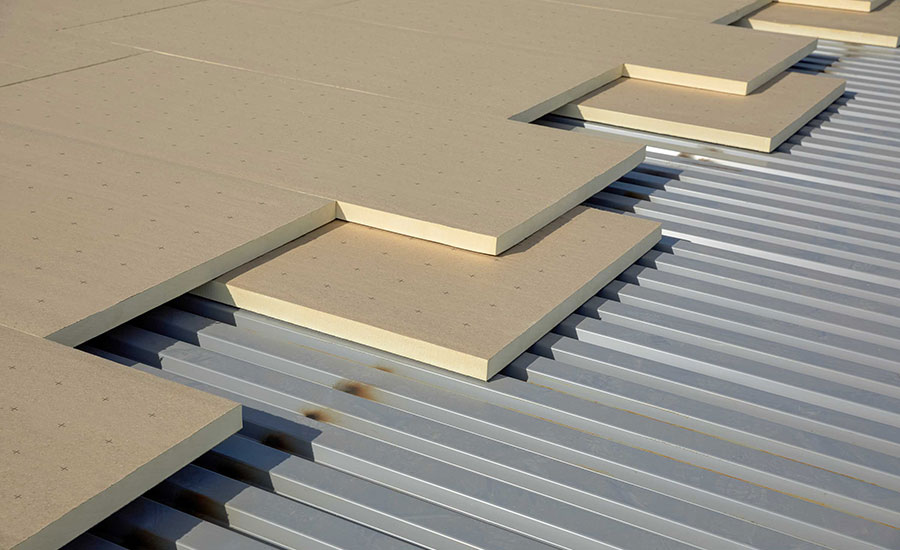
Multi-layered installation of roof insulation boards

Multi-layered installation of roof insulation boards can bolster thermal efficiency and mitigate moisture migration.
Image courtesy of PIMA.

How Thick is Too Thick?

Project teams may ask whether installing thicker polyiso roof insulation boards should be avoided. The answer is no. Manufacturers provide installation requirements for polyiso roof insulation, which may include specific instructions based on the thickness of the insulation boards used. 

The National Roofing Contractors Association (NRCA) had previously recommended a maximum board thickness of 2.5 inches for polyiso roof insulation boards. However, the nominal recommendation has been deleted in the most recent version (2023) of “The NRCA Roofing Manual: Membrane Roof Systems.” The NRCA manual now directs users to consult the manufacturer-published installation instructions for recommended application procedures. See Section 4.9—Polyisocyanurate of the NRCA manual for additional details. 

Why Are Multi-Layered Roof Insulation Systems Important? 

Rigid insulation boards such as polyiso insulation should be installed in multiple layers, with the joints of each layer staggered. The multi-layered installation of roof insulation boards is an industry best practice rooted in building science fundamentals and is required by modern energy codes. 

The benefits include: 

  • Reduced thermal losses at insulation joints 

  • Reduced thermal bridging from fasteners (when adhering to the top insulation layer) 

  • Reduced air leakage 

  • Reduced moisture migration in the roof system to the underside of the roof membrane (which can lead to possible condensation) 

  • Reduced potential for membrane buckling, ridging, and splitting

The NRCA manual also suggests that multi-layered roof insulation systems can increase the dimensional stability of the overall insulation system. Additionally, project teams should include a roof cover board as part of any system. Roof cover boards provide a suitable substrate for membrane attachment and enhance the durability of the roof system. This is especially important for roofs subject to extreme weather events (e.g., hail, high winds), consistent service traffic, or roof areas with renewable energy systems such as rooftop solar. Polyiso high-density roof cover boards are lightweight, easy-to-handle options that also deliver added insulation performance (R-2.5 for 0.5-inch [12.7 mm] thick products). 
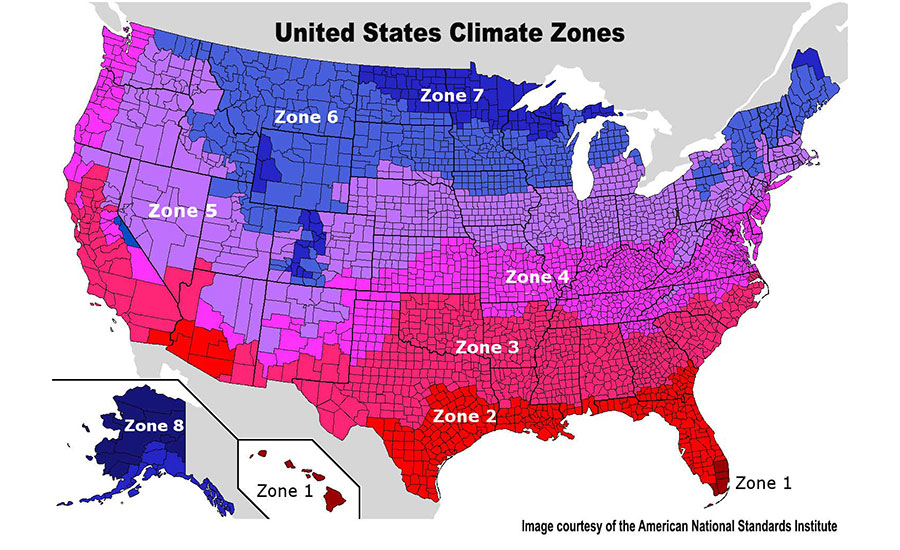
Climate map of the United States

Additional Information

Project teams should always consult the manufacturer-published installation instructions for polyiso products. The Polyisocyanurate Insulation Manufacturers Association (PIMA) maintains a library of technical bulletins to support using polyiso roof insulation. 

The following technical bulletins provide additional information on the topics discussed in this article: “PIMA Technical Bulletin No. 113 — Benefits of Multiple Polyiso Roof Insulation Layers with Staggered Joints” and “PIMA Technical Bulletin No. 118 — Recommended Polyiso Insulation Thicknesses for Meeting Commercial Roof Prescriptive R-value Requirements.”

For these resources and more information on polyiso insulation, visit polyiso.org. 

KEYWORDS: insulation PIMA (Polyisocyanurate Insulation Manufacturers Association) polyisocyanurate R-value roofing systems

Share This Story

Looking for a reprint of this article?
From high-res PDFs to custom plaques, order your copy today!

Marcin Pazera, Ph.D., is the technical director for the Polyisocyanurate Insulation Manufacturers Association, or PIMA. He coordinates all PIMA technical activities and is the primary technical liaison to organizations involved in developing building standards. For more information, polyiso.org.

Recommended Content

JOIN TODAY
to unlock your recommendations.

Already have an account? Sign In

  • two-roofers-in-harnesses-on-tile-roof

    How AI Is (and Isn’t) Impacting Roofing Jobs

    A new study from Microsoft shows artificial intelligence...
    Roofing Technology
    By: Chris Gray
  • Baker-Roofing-Company-employees-on-flat-roof-examinining-paperwork

    Exclusive: 2025’s Top 100 Roofing Contractors

    Roofing Contractor's 2025 Top 100 list reveals revenue...
    Top 100 Roofing Contractors
    By: Chris Gray
  • A before and after heat measurement comparison

    How Hot is Too Hot in the Attic?

    If the ventilation is working, how hot should the attic...
    Steep Slope Roofing
    By: Paul Scelsi
You must login or register in order to post a comment.

Report Abusive Comment

Manage My Account
  • eMagazine Subscription
  • Sign Up for the Newsletter
  • Online Registration
  • Manage My Preferences
  • Subscription Customer Service

More Videos

Sponsored Content

Sponsored Content is a special paid section where industry companies provide high quality, objective, non-commercial content around topics of interest to the Roofing Contractor audience. All Sponsored Content is supplied by the advertising company and any opinions expressed in this article are those of the author and not necessarily reflect the views of Roofing Contractor or its parent company, BNP Media. Interested in participating in our Sponsored Content section? Contact your local rep!

close
  • A finished commercial roof, including flashings
    Sponsored byFlashCo

    It’s All in the Details – How to Avoid 4 Common Mistakes with Roofing Accessories

  • Happy mature couple using phone holding credit card making payments. Middle aged older man and woman doing ecommerce shopping on smartphone booking or buying online on mobile sitting at home table.
    Sponsored byWatercress Financial

    Meeting Modern Expectations: Why Offering Financing Is Essential for Roofers Today

  • A roofing contractor stands on a roof behind an American flag
    Sponsored byTAMKO®

    Building Roofs, Building Community: TAMKO’s Lasting Commitment to Veterans and the Military

Popular Stories

TWS Remodeling team

Private Equity Fallout Rocks Roofing; Pros Step In

Malarkey-logo-with-Charles-Collins-headshot

Malarkey Roofing Products Announces New President

roofer-safety-harness-construction.jpg

OSHA's Top 10 Most Cited Violations of 2025

Roofing Contractor Bookstore

Related Articles

  • R-50 Systems, LLC Unveils One-Inch Thick R-50 Value Insulation with Net Zero Capability

    See More
  • Smart Business: What To Do When Price Is Too High

    See More
  • Diablo_Amped_Blade

    Diablo Steel Demon AMPED Thick Metal Carbide Reciprocating Saw Blades

    See More

Related Products

See More Products
  • business.png

    How to Succeed With Your Own Construction Business

  • 007145828X.jpeg

    Manual of Low-Slope Roof Systems Fourth Edition

  • urban resilience.jpg

    Green Roof Retrofit: Building Urban Resilience

See More Products

Related Directories

  • Polyisocyanurate Insulation Manufacturers Assn. (PIMA)

    Since 1987, PIMA (Polyisocyanurate Insulation Manufacturers Association) has served as the voice of the rigid polyiso industry. PIMA is one of the foremost industry advocates for building energy-efficiency practices and policies. The Association represents the public policy interests of the polyiso industry at the local, national, and international levels to advance the message of high-performance building construction. PIMA's membership includes manufacturers of polyiso insulation and suppliers to the industry. The products of PIMA's members comprise the majority of the polyiso produced in North America.
×

Be in the forefront of the roofing industry!

Join thousands of professionals today. Shouldn’t you know what they know?

JOIN NOW!
  • RESOURCES
    • Advertise
    • Contact Us
    • Directories
    • Store
    • Want More
  • SIGN UP TODAY
    • Create Account
    • eMagazine
    • Newsletters
    • Customer Service
    • Manage Preferences
  • SERVICES
    • Marketing Services
    • Reprints
    • Market Research
    • List Rental
    • Survey/Respondent Access
  • STAY CONNECTED
    • LinkedIn
    • Facebook
    • Instagram
    • YouTube
    • X
  • PRIVACY
    • PRIVACY POLICY
    • TERMS & CONDITIONS
    • DO NOT SELL MY PERSONAL INFORMATION
    • PRIVACY REQUEST
    • ACCESSIBILITY

Copyright ©2025. All Rights Reserved BNP Media.

Design, CMS, Hosting & Web Development :: ePublishing