Storm-Resistant Roofs
Climate Stress Is Shortening Roof Lifespans
A new study reviewed 2.8 billion roof images
A new Nearmap report says chronic climate stress is accelerating roof deterioration across the U.S., potentially creating property risks that traditional catastrophe models may not capture.
The Salt Lake City-based property intelligence company said the report analyzed roof conditions across nearly 2,100 U.S. counties using Nearmap Roof Age, an artificial intelligence-derived dataset generated from more than 2.8 billion roof images in the company’s historical aerial imagery archive.
The research found counties with the largest daily temperature swings had roofs that aged about 23% faster than those in more stable climates. Roofs in hot, high-humidity regions averaged 8.5 years in age, compared with 11 years in cooler, drier areas, the company said.
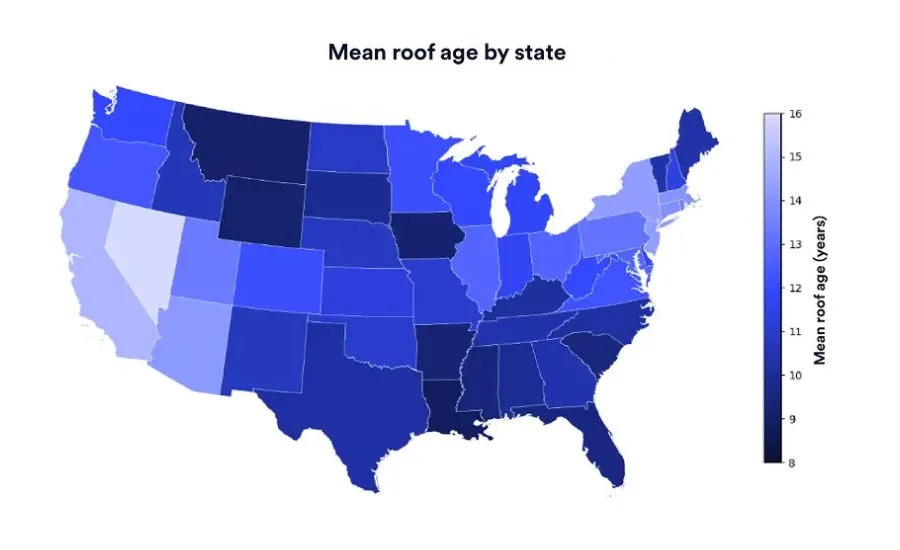
Nearmap also found the geographic footprint of the most extreme rainfall conditions in the U.S. expanded by about 750% from 1980 to 2024. Average roof age ranged from 16.2 years in Nevada to 8.9 years in Louisiana, suggesting higher replacement frequency in some regions.
“Climate risk doesn’t only arrive with hurricanes, hailstorms, or wildfires,” said David Tobias, chief product officer at Nearmap. “Our analysis shows that everyday environmental conditions such as heat, humidity, rainfall intensity, and temperature fluctuations are gradually reducing the lifespan of roofing materials across large portions of the country.”
The report said roof ages in some Gulf Coast and southeastern counties averaged as low as five years, indicating shorter replacement cycles than historical expectations may suggest. Nearmap said the findings could affect insurance underwriting, claims frequency and portfolio risk assessments.
Looking for a reprint of this article?
From high-res PDFs to custom plaques, order your copy today!