Roofing Workforce
5 Ways Roofing Contractors Can Win the War for Talent
Industry leaders share strategies for recruiting, training and retaining top workers
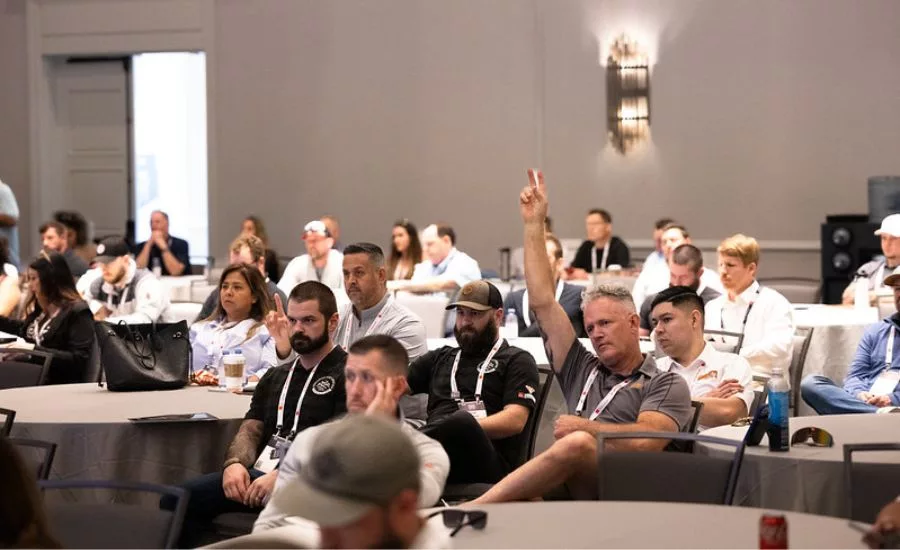
Finding and keeping great people is one of the roofing industry's most pressing challenges. The numbers back it up: 55% of home company CEOs report difficulty filling job openings, according to Jeff Gunhus, founder and CEO of Home Genius Exteriors, who cited the statistic at a recent Owens Corning meeting.
To dig deeper into the issue, Owens Corning Platinum Contractors Gene Judd, founder and CEO of Bone Dry Roofing and 2023 RC Residential Roofing Contractor of the Year, and Sam Stilley, CEO of Amstill Roofing, joined an informal panel discussion on building stronger teams through smarter recruiting, training and retention. Here are their key takeaways.
Recruiting the right talent
 Sam Stilley. Photo: Sam Stilley.
- “We hire our employees’ friends and family.” — Sam Stilley, Amstill Roofing.
- “We want to win the war for talent, so we built out a robust Bone Dry University that has a recruiting element. We’ve got to be very intentional about who we bring into the business and make sure it’s the right fit for them and us.” — Gene Judd, Bone Dry Roofing.
Incentivizing referrals from the inside
- “You can take some of your recruiting budget and put it toward events that bring prospective employees into the business. Why not throw a barbecue and invite employees to bring their friends and family and get to see the business and its culture?” — Stilley
- “Ask yourself, if you didn’t own the business, would you work for the business? If the answer is no, then why would your employees refer it to friends and family?” — Stilley
Connecting with future talent that fits the company
- “We’ve started working with smaller universities to find young talent just coming out of school. This lets them see our culture and we can get them into a fast-track program to start building a pipeline of future leaders.” —Judd
- “It’s easy to like someone as a person. The tool we use – Culture Index – gives us a non-biased second opinion about how someone might fit within our organization. We won’t hire someone without an assessment.” —Stilley
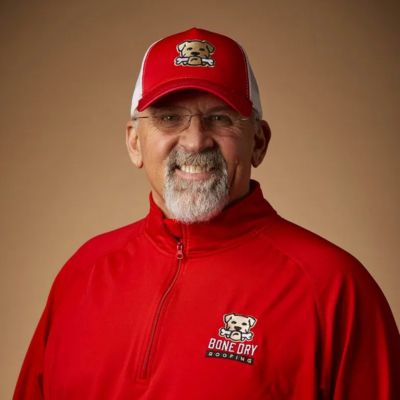 Gene Judd. Photo: Bone Dry Roofing.Balancing training vs. experience in the field
Gene Judd. Photo: Bone Dry Roofing.Balancing training vs. experience in the field- “We try to focus on training in the winter before things get busy. Onboarding employees is about showing our culture. There’s a cost to taking people out of the field, but I don’t think there is a better investment than the one we make in training.” — Judd
- “We make training an imperative and explain it in the hiring process. Training is the best investment you can make in your business, and it has to be consistent. If you can’t provide people with a learning path, they’ll go somewhere else.” — Stilley
Keeping employees engaged over the long-term
- “Small things make the biggest difference. Taking care of people is important, and so are experiences. You have to invest in experiences for people, and the small things have such a big impact.” —Stilley
Remarking on the conversation, Jessica Tinney, director of downstream market growth at Owens Corning, noted the peer-to-peer learning that characterizes Platinum Preferred Contractors.
“Something really special happens when these contractors come together,” Tinney said. “It’s about asking hard questions, swapping lessons learned in the field and challenging each contractor to achieve new levels of excellence.”
Looking for a reprint of this article?
From high-res PDFs to custom plaques, order your copy today!