How a Repair-First Approach Can Lower Costs and Improve Hurricane Recovery
Rethinking Roof Claims in a High-Cost Hurricane Era
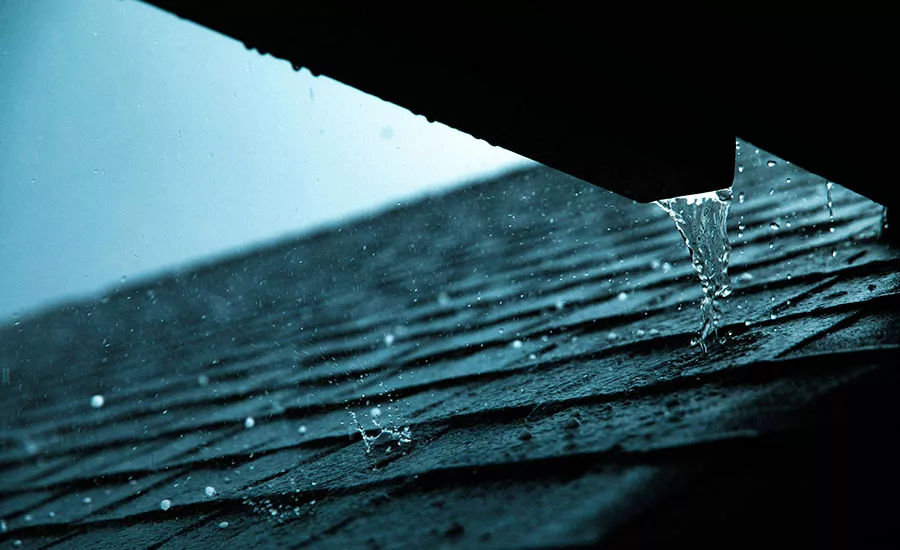
Every hurricane season brings a familiar set of pressures: juggling costs, managing supply chain issues, handling high volumes of work, and racing against the clock to ensure homeowners are kept safe and restored quickly after disaster strikes.
For everyone in the property claims industry, the challenges are numerous. Inflation continues to rise and building materials are increasingly more expensive, while continued challenges in the labor market make hiring experienced insurance adjusters and contractors difficult.
On top of this, the economic impact of even a minor hurricane is significant. In 2024 alone, roof-related claims topped $30 billion. While large numbers of roof replacements are good business for roofers and are profitable in the short term, it’s critical that homeowners’ insurance as an industry remains sustainable. Higher premiums and insurers leaving the market are bad for homeowners and for everyone who supports the important work of restoration.
itel’s research has found that many claims featuring roof damage — potentially up to 60% of asphalt shingle roofs — can be repaired instead of replaced. Currently, while most damaged roofs are replaced, a roof replacement costs approximately four times more than a repair of localized roof damage.
It is not sustainable to maintain this level of spending, and when a repair or replace determination is inaccurate, it has consequences for everyone. Most carriers continue to default to full replacement even on minor damage, leading to higher premiums for homeowners. On the other hand, there are plenty of stories about adjusters who have pushed for repairs for widespread roof damage, leaving homeowners in the lurch and often simply delaying a full roof replacement.
While roof repair decisions are often surrounded by confusion and distrust, everyone involved in property claims can benefit from re-thinking the status quo and more frequently considering roof repairs, when appropriate. Challenging assumptions and adopting a more fact-based approach to decision-making can benefit carriers, contractors, and homeowners alike.
A Story From Another Industry
The auto insurance industry has already been through a similar evolution around windshield damage. Windshield repair technology was available in the 1970s, but didn't reach mass adoption until the late 1990s. Until then, even small chips usually meant full replacement, which was costly, time-consuming and inconvenient. Once a repair-first approach became the industry standard, outcomes improved across the board. Insurers gained efficiency, new repair-focused businesses emerged, and drivers got back on the road faster.
Property insurance could see a similar adaptation. When carriers, contractors and homeowners are in agreement about when and how repairs are worthwhile, it works out best for everyone. Quicker resolutions, reduced costs and improved outcomes for homeowners are a win-win. For contractors, it also means more consistent, actionable work.
Evaluating Repair Viability
Determining whether a roof should be repaired or replaced isn’t always black and white. The goal is to make clear, objective and informed decisions based on several key factors:
- Age and condition of the roof. A detailed assessment of the roof, slope by slope, is critical. If a roof is old enough, replacement is often the best option, even with localized damage. At the same time, minor wear, isolated leaks or surface damage often don’t necessarily require a full replacement. Factoring in the overall structural condition and any previous repairs can help determine whether localized work is enough.
- Changes in building codes. Building codes can change over time and enforcement varies by region. Some roofs were installed under older standards, so what’s required today may differ from the original construction.
- Material match and availability. What qualifies as a “reasonable match” can be subjective. Some materials, like tile, are readily available, while others, such as certain asphalt shingles, can be trickier to source.
The Opportunity Ahead
If more than 80% of damaged roofs are currently being replaced, and up to 60% of these roofs could be repaired instead, what would just a 10% improvement look like? It’s a powerful question with big implications for loss ratios, customer satisfaction and contractor efficiency. During this and other hurricane seasons, let’s take a page from the auto industry’s playbook and start making smarter, more practical repair or replacement decisions.
Looking for a reprint of this article?
From high-res PDFs to custom plaques, order your copy today!