Safety
Texas Man Charged with Deadly Assault After Shooting Roofing Drone
Incident shows de-escalation training is an important part of safety
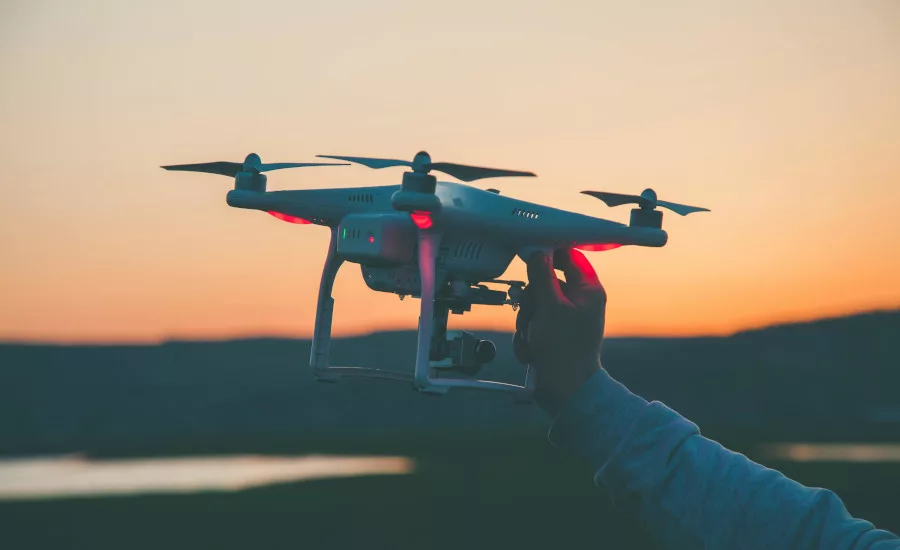
A Texas man faces multiple charges after shooting a drone piloted by a roofing contractor hoping to capture marketing photos.
According to a report from Fox-affiliated KWKT, on Oct. 14, the Copperas Cove Police Department received a complaint of a man firing a shotgun in the direction of another man who was working on the roof of a neighboring house.
An arrest affidavit states that multiple officers responded to the call and met the roofer. He said he was flying a drone to take marketing pictures for his business when he heard a loud bang. He saw a man standing at the edge of the driveway of an adjacent property holding a shotgun. The man yelled at the roofing contractor to stay off his property.
When the shotgun-wielding man went into his home, the roofer found and reclaimed his drone. The drone was practically inoperable, including damage to the rotors, camera and antenna.
According to the affidavit, the roofer hadn't met the man before and hadn't gone onto his property. Officers spoke with the man, identified as Jeffery Alan Spencer, who provided a statement about firing the shotgun inside city limits and firing at the drone.
Officers arrested Spencer on charges of deadly conduct – discharging a firearm, criminal mischief, use and discharge of a firearm in the city limits on certain property within the city. They also charged him with possession of drug paraphernalia.
Protecting Yourself...and Your Drones
Keeping roofing crews safe with PPE, harnesses and safety procedures is one thing, but what happens when irate neighbors or homeowners confront them?
One way is to cut it off at the pass. If possible, pre-notify neighbors about the project, such as noise levels, timelines, drone usage, or scaffolding. Set up clear boundaries and manage any debris to prevent complaints from popping up.
In a toolbox talk, the General Building Contractors Association says practicing conflict resolution is important not only to de-escalate arguments between workers but also with members of the public. If no weapon is present, verbal de-escalation is appropriate and needed.
The association breaks it down into three pieces. The first is to appear calm, even if you don't feel it, by relaxing your body and expression. Use a low, monotone voice, be respectful, and avoid becoming defensive. The next is posture. Don't turn your back on the person, and don't maintain constant eye contact. Stand at an angle to the person and be at their eye level.
Finally, when de-escalating, don't attempt to yell or talk over them. Let them speak, and when they take a breath, use that opportunity to talk with them. The point is to lower the anger level, so try not to be judgmental or argumentative.
"Remember, there is nothing magic about calming a very angry or agitated person," the association says on its website.
If a weapon is present, prioritize safety. The Crisis Prevention Institute says to take the threat seriously and negotiate permission to step away from the armed person. Never try to take the weapon, and make basic requests to generate affirmative responses from the person. Call 911 when it's safe to do so.
When it comes to drones, they are classified by the Federal Aviation Administration as aircraft. It is illegal to shoot them down, regardless of their size or purpose, as they are given the same protections as any other aircraft.
To legally operate a drone, individuals must Remote Pilot Certificate under the FAA's Part 107 regulations. Having a license ensures you are on the right side of any conflicts should someone use your drone as target practice.
Looking for a reprint of this article?
From high-res PDFs to custom plaques, order your copy today!