Navigating Single- and Two-Component Roof Tile Adhesives
Polyurethane foam has emerged as a fast, reliable, and high-performance alternative to mechanical fastening for clay tile and concrete roofing applications
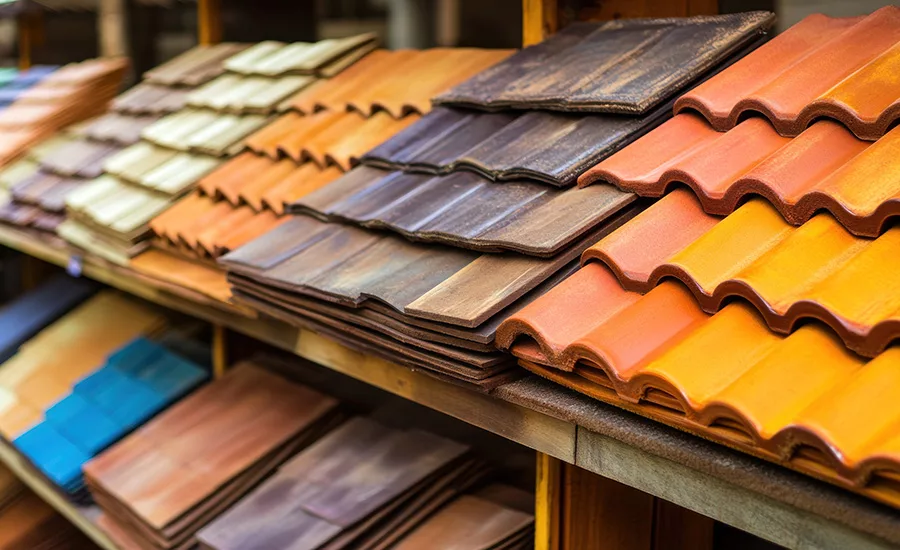
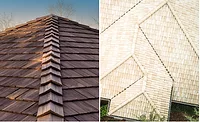
Tile roofs are an ideal option for their ability to enhance curb appeal while delivering outstanding performance and reliability. A properly maintained tile roof can last between 50 to 75 years in certain parts of the country if installed correctly. For areas that experience high winds and hurricanes, polyurethane foam products have been tested and proven to withstand these weather events.
As their popularity grows — particularly throughout the Sunbelt — modern adhesive technology has emerged as an ideal alternative to traditional mechanical fasteners like screws, nails, mortar sets, or wire ties. Indeed, these adhesives form strong bonds that enable tile roofs to achieve their superior longevity.
When properly installed by trained professionals, roofs utilizing adhesives can achieve some of the highest possible wind uplift ratings, making them highly advantageous for extreme weather conditions in the United States. For these reasons, roofing professionals should be knowledgeable about the different types of roof tile adhesive options and how they can deliver outstanding performance.
This article examines the distinctions between single-component and two-component roof tile adhesive options, the importance of proper application training, and the numerous advantages adhesives offer over mechanical fastening methods. Let’s take a look.
Single-Component or Two-Component: What’s the Difference?
Polyurethane roof tile adhesives are available in two distinct product types. They are:
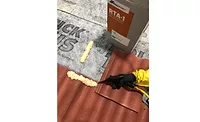
- Single-component adhesives. These products combine all chemical and raw material components in a single container — upon dispensation, they are combined and the adhesive moisture-cures soon after application.
- Two-component adhesives. In two-component products, adhesion chemistry and other materials are kept separate (typically in an A-side/B-side). The chemical reaction begins once the two components are mixed at the dispensation point within the application assembly nozzle.
Both options can provide reliable, long-term performance. However, there are some differences between the two that may make one option more suitable for a given application than the other.
Two-component
Two-component polyurethane adhesives offer excellent levels of wind uplift performance, beyond what single-component options provide. Depending upon paddy size, tile profile, paddy placement, and gram weight, a properly installed two-component adhesive system can withstand a Category 5 hurricane. Additionally, third-party lab testing protocols and adhesive manufacturers’ code approvals show higher allowable overturning moment testing data for two-component systems.
These characteristics make two-component adhesives uniquely suited to applications in hurricane-prone regions like Florida, where hurricane resistance is a top priority for building and construction professionals.
Two-component options can also offer supplemental tile support, contributing to higher break strength and overall long-term durability. Two-component products maintain higher seismic performance compared to wire-tie applications — this makes them ideal for western areas of the United States that experience more regular seismic activity.
Single-component
Single-component options can deliver good, long-term performance while simultaneously offering some ease-of-use advantages. Because these products are available in handheld cylinders, applicators can move around a roof area more freely than when handling two-component products. Single-component systems’ portability also lends itself to easier application around hips, ridges, cut pieces and trim tiles.
In the early morning hours of the workday, single-component products offer further application advantages, as they can be applied to damp substrates. For example, morning dew won’t prevent timely application. Single-component adhesives also maintain high yields, allowing contractors to maximize the number of tiles that can be secured with a single tank of product.
Ultimately, the choice between single- and two-component products boils down to contractor preference and the needs of the specific application. Contractors armed with the right information on the benefits of each can make an optimal choice for any job.
An Ideal Alternative to Mechanical Fastening
Another reason foam adhesives have gained traction in the marketplace is their inherent advantages over traditional mechanical fastening methods such as screws, nails, or wire-tie systems.
For example, one- and two-component products can eliminate the need to pierce the roof deck with thousands of mechanical penetrations that can compromise the plywood and underlayment, causing leaks. Depending on the roof pitch, mean roof height, and municipality where the project is located, you could reduce and virtually eliminate the need to puncture the roof decks with thousands of holes by using polyurethane foam adhesive instead.
Elsewhere, the application of nails and screws requires the right amount of pressure, which can vary among installers. A too-loose insertion can contribute to potential performance issues later on, especially in hurricane zones or other high-wind environments. Meanwhile, a mechanical fastener applied too forcefully can cause a roof tile to crack or break.
Depending on the roof pitch and local building code requirements, roof tile adhesives do not require the installer to puncture the roof deck. Instead, the polyurethane adhesive creates a strong bond between the deck and the tile, functionally eliminating many of the concerns associated with mechanical fasteners. This process can eliminate the variance between a too-tight or too-loose nail or screw insertion and the potential issues associated with each.
Roof tile adhesives offer a wide range of benefits for tile roof applications. Products formulated for the highest levels of performance and ease of use can contribute to more reliable and durable roofs while enabling professionals to work more efficiently and boost their bottom line. For professional roofing contractors, it’s worth your consideration.
Looking for a reprint of this article?
From high-res PDFs to custom plaques, order your copy today!