Immigration Crackdown
Increased ICE Funding Foretells More Raids on Roofing
$75B in ICE funding approved amidst TPS terminations, talks of temporary passes

The roofing industry will need to brace for additional immigration enforcement after Congress approved unprecedented funding increases for U.S. Immigration and Customs Enforcement.
As part of the One Big Beautiful Bill signed into law by President Donald Trump last week, roughly $170 billion was set aside for immigration enforcement and border security, including $75 billion for ICE.
The funding makes ICE the highest-funded law enforcement agency in the federal government. This will bolster the administration’s crackdown on arresting and deporting immigrants living in the U.S. illegally.
“The unprecedented funding for ICE will enable my hard-working officers and agents to continue making America safe again by identifying, arresting and removing criminal aliens from our communities,” said Acting ICE Director Todd Lyons.
Of the funding, $45 billion will expand ICE’s detention system over the next four years, used to hold individuals and families with children facing deportation. Another $30 billion will directly fund ICE’s arrest and deportation efforts.
The remaining funding will support other immigration-related efforts, including the U.S.-Mexico border. Around $46 billion is designated for Customs and Border Protection to build walls, barriers and other similar projects.
“With the passage of additional funding in the [One Big Beautiful Bill] to strengthen border security and reduce illegal immigration, NRCA believes now is the time for Congress and the Administration to pursue immigration reforms that address the workforce needs of our industry,” said National Roofing Contractors Association officials.
Trump campaigned on removing violent criminals who are in the country illegally. However, as the administration significantly increased arrest quotas from 1,000 arrests per day to 3,000 per day, ICE has cast a wider net, conducting raids on Home Depot stores, restaurants and courthouses, according to Reuters. As arrests increase, more detainees are shown to have no criminal record.
RELATED: Hispanic Americans Feel Under Siege As Arrests Accelerate
“Throwing billions at detention centers and enforcement agents is short-sighted. Instead, we should be investing in a system aimed at welcoming immigrants that contribute billions to our economy,” said Adriel Orozco, senior policy counsel at the American Immigration Council. “We don’t need more jail beds and indiscriminate raids. We need balanced solutions that strengthen due process and keep families together.”
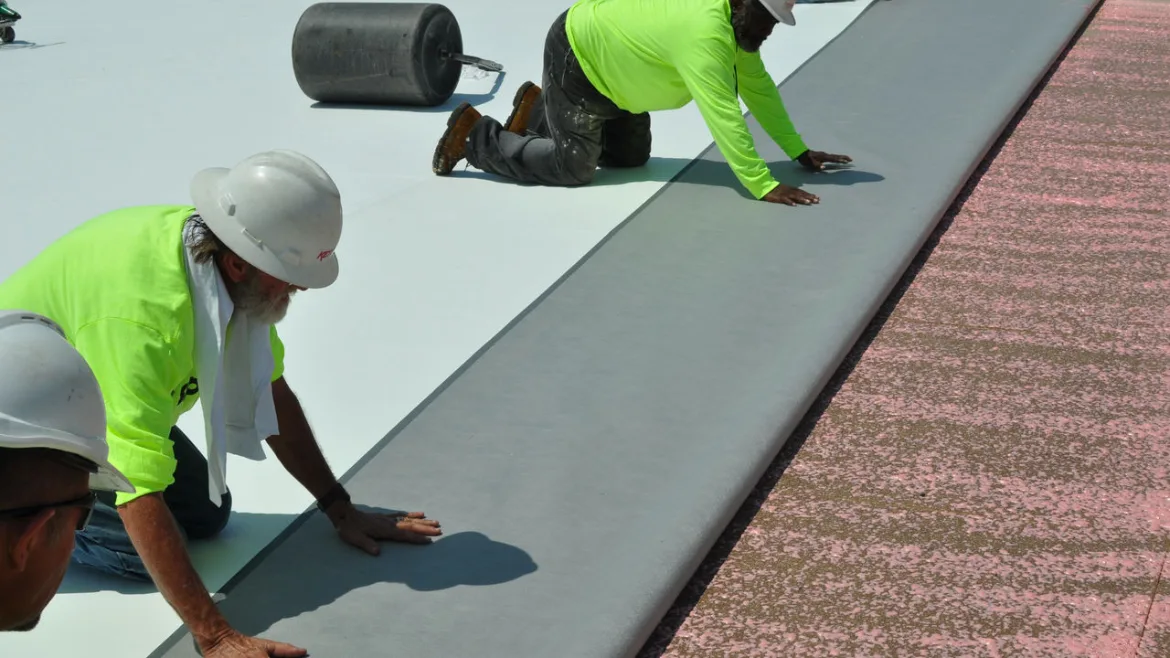
Reports of raids at roofing businesses and job sites have increased since Trump took office, with Florida emerging as one of the largest sites for ICE raids.
The NRCA offers a dedicated webpage for navigating ICE arrests, as well as a general Employer Immigration Resources page with information about labor costs, immigration compliance and legal advisories.
Industry Carve-Outs
The massive increase in funding comes amidst talks of the federal government offering temporary passes for immigrants in certain industries.
In an interview late last month on Fox News, Trump discussed a temporary pass “where people pay taxes, where the farmer can have a little control, as opposed to you walk in and take everybody away.”
Discussions of enforcement relief came after the farm sector warned of mass deportation efforts impacting the U.S. food supply. In June, ICE paused worksite raids in the farming and hotel industries, only to resume arrests of immigrant workers in those sectors days later.
Seeking carve-outs marks the latest shift in the administration’s approach to immigration enforcement, and one that the NRCA hopes will spur lawmakers to include exceptions for roofing and construction.
“We are urging the administration to include the construction industry in any enforcement relief efforts being considered for similarly situated sectors,” NRCA officials said.
The NRCA is continuing to work with lawmakers on a new H-2C program that would establish a nonimmigrant visa for temporary non-agricultural workers. The bill is awaiting introduction to the 119th Congress.
RELATED: NRCA 'Roofing Day' Lobby Effort Successful Amid Tariff Chaos
“We also support legislation to improve and expand the H-2B seasonal visa program and were pleased to see the House Appropriations Committee recently approve an amendment advancing this goal,” NRCA officials said.
Regarding workforce concerns, U.S. Agriculture Secretary Brooke Rollins said at a July 8 press conference that the administration wants a 100% American workforce, suggesting people receiving government aid, like Medicaid, could replace immigrant workers.
TPS Terminations
The NRCA lobbies for immigration reform that supports the roofing industry. This includes anticipated House legislation allowing individuals with Temporary Protected Status or those in the DACA program to obtain permanent legal status.
TPS has come under attack from the DHS, with the department announcing the termination of TPS for countries like Nicaragua, Honduras and Haiti. Secretary of Homeland Security Kristi Noem said that these countries no longer meet TPS statutory requirements due to conditions improving in these countries.
The terminations for Nicaragua and Honduras will take effect Sept. 8. The ALCU of Southern California, the National TPS Alliance and seven plaintiffs have sued the Trump administration for the terminations.
The lawsuit alleges that these terminations violate the Administrative Procedure Act by disregarding country conditions and instead relying on a predetermined political decision to dismantle the TPS program.
On July 1, a U.S. District judge in New York blocked the DHS from ending TPS for Haiti, saying Noem cannot terminate a TPS designation before the expiration of the most recent extension, which was set for Feb. 3, 2026. The termination is now on a temporary hold.
About 72,000 Hondurans and 4,000 Nicaraguans have work permits and deportation protection under TPS, according to DHS reports. The administration is looking to dismantle TPS for other countries as well, including Afghanistan, Nepal and Venezuela. In doing so, it expands the number of people eligible to be arrested and deported.
Looking for a reprint of this article?
From high-res PDFs to custom plaques, order your copy today!