With the nation facing a shortage of millions of homes and mortgage rates stubbornly high, builders, contractors and suppliers find themselves caught between soaring demand and an increasingly challenging economic environment.
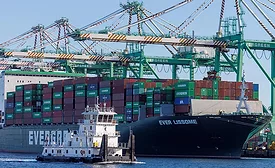
A steep drop in port traffic and tariff-driven material hikes are squeezing roofing contractors, despite a 90-day U.S.-China tariff truce to ease pressure on the strained supply chain; a glimmer of good news from Associated Builders and Contractors is a balm.
A new survey by Plant-Tours reveals that 59% of construction pros report increased costs due to tariffs, 52% have delayed or canceled jobs, and 45% have reduced their workforce, all of which are squeezing margins.
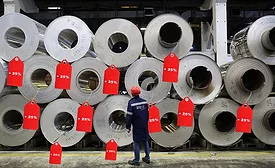
Rising steel and aluminum costs, driven by tariffs and global shifts, are shaking up U.S. construction — especially roofing. Contractors face tough choices: absorb costs, pass them on, or rethink materials.
In September, U.S. construction spending rose by 0.1% to $2.14T, with private residential projects driving a slight increase; public-sector construction grew by 0.5%, totaling $495.2B.
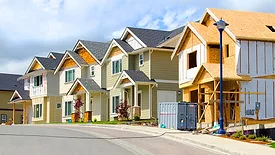
Fueled by a growing economy, solid employment gains and rising household formations, single-family production will continue on a gradual, upward trajectory in 2017.
It struck me as somehow odd that the nation’s homebuilders would back an initiative by the Occupational Safety and Health Administration (OSHA) to require full fall protection for workers when they do so little by way of their construction design to accommodate worker safety — at least regarding the protection of workers who must work at heights.