Marijuana in the Workplace: What Employers Need to Know

Maintaining drug-free workplaces has long been the rule for American industry. In fact, it’s mandatory under federal and state law in many instances. Now, given the reality of increasing marijuana legalization, assuring that its presence in the workplace and the impairment that it causes is prevented has become a critical concern for many employers. Never before have employers faced such widespread acceptance of behavior that’s so glaringly at odds with workplace safety. All told, 28 states and the District of Columbia have legalized marijuana use in some form.
The trend is strongly favorable for even more widespread growth of such laws. In certain areas of the country, employers are already finding it difficult to hire people who can pass a pre-employment drug test. And once employees have been hired, many manufacturing employers are finding that substantial numbers of employees either fail random or post-accident drug screens, or simply quit if asked to take such a test. Although always a challenge, finding and keeping qualified and productive employees has become only more challenging.
It’s difficult to definitively quantify the effect marijuana use has on productivity and safety, but studies by the National Institute on Drug Abuse suggest links between marijuana use and negative consequences in the workplace, such as a higher risk for injury or accidents. One study found that postal workers who tested positive for marijuana on a pre-employment drug test had 55 percent more industrial accidents, 85 percent more injuries, and 75 percent greater absenteeism compared with those who tested negative.
On top of this, federal and state agencies are making it increasingly difficult to enforce strong drug-free policies. For example, the Occupational Safety and Health Administration (OSHA), the federal agency that enforces workplace safety, recently issued new guidance explaining that some post-accident drug testing programs may unlawfully deter or discourage a reasonable employee from accurately reporting a workplace injury or illness.
With the proliferation of legalized marijuana, the wide-spread use among employees that these state laws encourage, and changing positions on enforcement, now’s a good time for employers to review their drug testing policies and adapt to the rapidly changing legal landscape.
The Growing Acceptance of Marijuana Use
As mentioned, more than one-half of the United States has legalized some form of marijuana use. In fact, with the addition of California, Massachusetts, Maine, and Nevada, now more than 20-percent of all Americans live in a state where recreational marijuana use is legal.
Despite the increase in legalized marijuana, it’s still illegal in many states and, importantly, under federal law. Along with the federal Controlled Substances Act, which classifies marijuana as a Schedule 1 drug along with LSD and heroin, a number of different federal laws can impact employers, employees, and their drug policies.
OSHA and Post-Accident Drug Testing
In recent months, OSHA has caused a stir among employers with comments related to post-accident drug tests. Effective last December, new OSHA regulations require employers to establish a “reasonable procedure” for employees to report work-related injuries and illnesses promptly and accurately. These regulations prohibit this procedure from deterring or discouraging a reasonable employee form accurately reporting a workplace injury or illness, and prohibit any retaliation for reporting an injury or illness.
OSHA commentary — although not official rulemaking — has focused on post-accident drug testing. OSHA has implied that going forward it may consider post-accident drug testing as retaliatory and unlawful, unless facts indicate that on-the-job drug impairment may have played a role in the accident. OSHA has stated, “To strike the appropriate balance here, drug testing policies should limit post-incident testing to situations in which employee drug use is likely to have contributed to the incident, and for which the drug test can accurately identify impairment caused by drug use.” Naturally, these comments have caused concern among employers, given that post-accident drug testing is common across almost all industries, and is an integral part of most employers’ safety programs.
What to do Now
With the clear national trend in favor of marijuana legalization and the range of conflicting laws on the books across the country, employers should understand the risks and challenges that employees’ use of marijuana can cause. Employers should also be aware of enforcement action by federal agencies and tailor company polices to account for these national trends.
Review Your Company’s Drug Testing Programs. Many employers have had drug testing programs in place for years, and, in most cases, they have been relatively successful in keeping drugs such as marijuana out of the workplace. Today, and in the near future, employer drug policies will be challenged as never before. Most drug testing programs include pre-employment, post-accident, and for cause testing; some, where permitted under state law, also utilize random testing of employees. Employers should take this opportunity to review their policies and ensure that they comport with their state’s specific requirements.
Consider Post-Accident Drug Testing on a Case-by-Case Basis. Given OSHA’s increased scrutiny on post-accident drug testing, employers should review their policies. When a safety-related incident occurs, supervisors and managers should be trained to recognize signs of possible impairment among the employees involved (such as glassy or bloodshot eyes, slurred speech, the smell of marijuana or alcohol, impaired motor function, or other signs). Supervisors and managers should document all such signs that support the company’s decision to drug test the individuals involved.
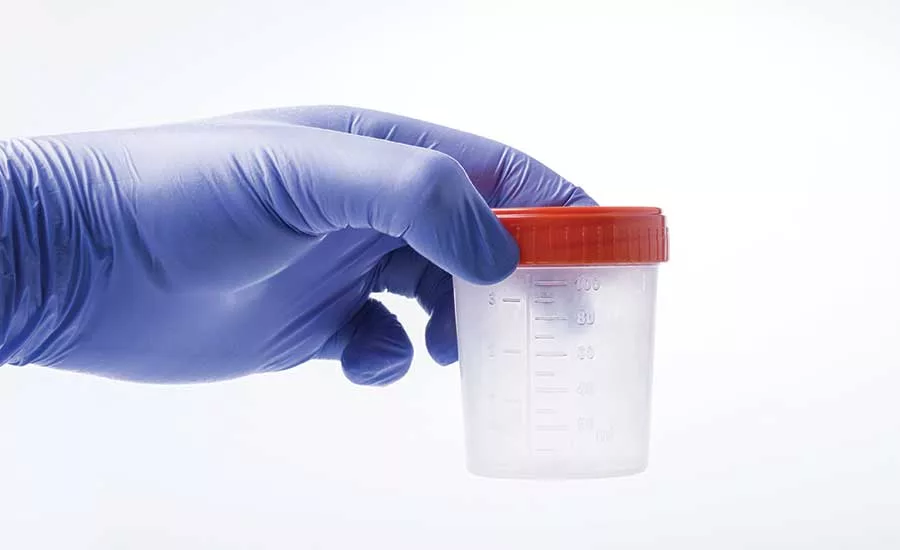
Look into Oral Fluid Testing. The most commonly used drug testing method today is urinalysis. While generally accurate, such testing suffers from the problem of being both demeaning and invasive. Some employers have opted for hair follicle drug testing, which can confirm a much longer history of drug usage.
Unfortunately, neither urinalysis nor hair follicle testing are able to confirm impairment, only past drug use. However, there’s one type of testing that can show recent drug usage, even as little as several hours prior — “oral fluid” or salvia testing. According to reports from drug testing laboratories that advocate this type of testing, it can detect drug usage immediately after the most recent use, and up to four days later. These laboratories also report that such tests can detect the parent compound, the psychoactive part of the drug. Such evidence will certainly help in establishing possible impairment. Employers who want to stay ahead of the curve should explore the potential benefits and costs of oral fluid testing with their current drug testing laboratory.
Stay Up-to-Date on OSHA’s Actions. Companies should work closely with human resources and their legal counsel to understand OSHA’s enforcement priorities.
Update and Communicate Policies. Employees need to be regularly educated about the company’s policies, standards, and expectations. That includes specific information about when and how drug testing can occur.
Train Managers and Supervisors. Along with educating workers, managers and supervisors need training about the company’s policies and how to respond when they notice potential problems. They should be trained on recognizing the signs of impairment in order to better ascertain when an employee may be under the influence on the job.
Prudent employers will respond to this expansion of marijuana legalization with a careful review and evaluation of their current drug testing regimen. Keeping drugs and impaired employees out of our workplaces is the least we can do to protect those workers who are there to help your company be successful.
Looking for a reprint of this article?
From high-res PDFs to custom plaques, order your copy today!