search
cart
facebook twitter linkedin youtube instagram Spotify Podcasts Apple Podcasts Spotify Podcasts Apple Podcasts
  • Sign In
  • Create Account
  • Sign Out
  • My Account
  • NEWS
  • TOPICS
    • Cool Roofing
    • Event News
    • Latinos in Roofing
    • Low Slope
    • Legal
    • Metal
    • Project Profiles
    • Roofing Supply Pro
    • Roofing Safety
    • Steep Slope
    • Sustainable Roofing
    • Technology
  • EXCLUSIVES
    • Best of Success
    • Contractor Profile
    • IRE Show
    • Roofing Contractor of the Year
    • Top 100
    • Young Guns
    • State of the Industry
  • MULTIMEDIA
    • Videos
    • Podcasts
    • Interactive Spotlights
    • Roofing Quizzes
    • IRE Videos
    • Webinars
    • Photo Galleries
  • PRODUCTS
    • New Products
    • Featured Products
  • COLUMNS
    • Editor's Note
    • Exit Planning
    • Guest Column
  • EVENTS
    • International Roofing Expo
    • Webinars
    • Best of Success Conference
    • Industry Events
  • DIRECTORY
    • Associations
    • Distributors
    • Manufacturer/Supplier
    • Business Services
    • Get Listed
  • MORE
    • Roofing Contractor Newsletters
    • Techos y Más Advisory Board
    • RC Store
    • Roofing Supply Pro
    • Custom Content & Marketing Services
    • Market Research
    • Sponsor Insights
    • Company Spotlights
    • Classifieds
      • Auctions
      • Business For Sale
      • Business Opportunities
      • Equipment For Sale
      • Positions Available
      • Products
      • Safety
      • Software
      • Services
      • Training
    • Contact Us
  • EMAGAZINE
    • eMagazine
    • Advertise
      • Media Kit
      • Editorial Calendar
      • Contact
    • Archive Issues
  • SIGN UP!
Columns

Employee or Independent Contractor? A Critical Distinction

By John Alfs
March 1, 2004
The distinction between an "employee" and an "independent contractor" can have critical implications.

An important issue all contractors face is whether a subcontractor (or the employee of a subcontractor) is considered your "employee" under the law. While most of us use the word in everyday conversation without thought, the distinction between an "employee" and an "independent contractor" can have critical implications.

This designation is important for several reasons. An obvious advantage to labeling workers as "independent contractors" is the savings on payroll, withholding taxes and related benefit expenses. However, just calling someone an "independent contractor" is not conclusive to the Internal Revenue Service, the National Labor Relations Board or the Occupational Safety and Health Administration. Second, if a worker is deemed an "employee," any on-the-job injuries to the worker, as well as worker's compensation claims arising from those injuries, will be the responsibility of the employer. Third, if a worker is an "employee," any personal or property damage arising out of that employee's actions will likely be the responsibility of the employer.

Under the law, it is not enough to label or call a party an independent contractor. Agencies like the IRS, NLRB and OSHA will determine on their own who is and who is not an "employee" by considering the circumstances of the worker's employment. The test generally applied is one of control and "economic realties." According to these tests, courts and governmental agencies usually consider six factors: (1) the degree of control exerted by the alleged employer over the worker; (2) the worker's opportunity for profit or loss; (3) the worker's investment in the business; (4) the performance of the working relationship; (5) the degree of skill required to perform the work; and (6) the extent to which the work is an integral part of the alleged employer's business.

1. Control. All contractors should look to the nature of the relationship with their subcontractors in light of these six factors, the first and most important being control. Control is determined by looking at how a contractor delegates the work to be done on a project. The greater the involvement by the contractor in controlling how the worker performs his tasks, the more likely it is that the worker will be considered an "employee."

2. Opportunity for Profit and Loss. When looking at the worker's opportunity for profit or loss, the subcontractor bidding process is an important factor. If the contractor has influence beyond the bidding process on the final price that is charged for the subcontracted work, the more likely the subcontractor will be considered an employee. For example, the subcontractor must have the ability to control its own profit margins, the salaries of its workers, and the prices it pays for its materials to be considered "independent."

3. Investment in the Business. Investment by the contractor - even in small part - in the business of the subcontractor will quickly erode the "independent contractor" relationship. "Independent" means independent - physically, practically and financially. Frequently, courts have ruled that subcontractors that are even minimally owned by the general contractor will be considered "employees" in workers compensation claims, wage and fringe benefit claims, and lawsuits arising from the conduct of the worker (for example, sexual harassment claims).

4. The Performance of the Working Relationship. The more hands off a contractor is with the subcontractor in the performance of the subcontracted work, the more likely it will be considered an independent contractor. While employees of the contractor and the subcontractor may work together on a job site, if the contractor's employees and the subcontractor are all performing the same tasks, it will be difficult to justify a distinction between the workers if the independent contractor relationship is challenged.

5. Degree of Skill. The more skilled the subcontracted work, the more likely the workers will be considered independent contractors. Hired laborers and maintenance personnel are usually not considered independent contractors.

6. Part of the Employer's Business. The closer the subcontracted work is to the business area of the contractor, the more likely it is that the workers will be legally found to be "employees."

While the key to establishing an independent contractor relationship with a subcontractor is the circumstances of the employment, it never hurts to get as much supporting documentation as possible. Frequently, disputes as to independent contractor or employee status arise because the parties failed to delineate their relationship prior to the performance of the work or the project. Job assignments are made orally or with no more than a one-page invoice or purchase order, job tickets or billing sheets. To reduce governmental challenge or later litigation, contractors should consistently use written subcontracts and independent contractor agreements that are tailored to your business and spell out the independent relationship. While use of these agreements will not completely protect your business from governmental scrutiny or plaintiff's lawyers, in most cases, they provide adequate insulation from challenge.

An understanding of the employee/independent contractor distinction, combined with the proper work environment and well-drafted supporting documents can protect your business from the time and expense of audits, adverse tax rulings and litigation. The cost of developing these contracts is reasonable, and they do not need to be complicated. A carefully drafted document will clarify the parties' relationships as to independent status, insurance requirements and risk assumption. Investing money today in organizing this important aspect of your business is money well spent.

Share This Story

Looking for a reprint of this article?
From high-res PDFs to custom plaques, order your copy today!
John B. Alfs is an attorney with Cox, Hodgeman & Giarmarco P.C., Troy, Mich.

Recommended Content

JOIN TODAY
to unlock your recommendations.

Already have an account? Sign In

  • two-roofers-in-harnesses-on-tile-roof

    How AI Is (and Isn’t) Impacting Roofing Jobs

    A new study from Microsoft shows artificial intelligence...
    Roofing Technology
    By: Chris Gray
  • Baker-Roofing-Company-employees-on-flat-roof-examinining-paperwork

    Exclusive: 2025’s Top 100 Roofing Contractors

    Roofing Contractor's 2025 Top 100 list reveals revenue...
    Top 100 Roofing Contractors
    By: Chris Gray
  • A before and after heat measurement comparison

    How Hot is Too Hot in the Attic?

    If the ventilation is working, how hot should the attic...
    Steep Slope Roofing
    By: Paul Scelsi
You must login or register in order to post a comment.

Report Abusive Comment

Manage My Account
  • eMagazine Subscription
  • Sign Up for the Newsletter
  • Online Registration
  • Manage My Preferences
  • Subscription Customer Service

More Videos

Sponsored Content

Sponsored Content is a special paid section where industry companies provide high quality, objective, non-commercial content around topics of interest to the Roofing Contractor audience. All Sponsored Content is supplied by the advertising company and any opinions expressed in this article are those of the author and not necessarily reflect the views of Roofing Contractor or its parent company, BNP Media. Interested in participating in our Sponsored Content section? Contact your local rep!

close
  • A finished commercial roof, including flashings
    Sponsored byFlashCo

    It’s All in the Details – How to Avoid 4 Common Mistakes with Roofing Accessories

  • Happy mature couple using phone holding credit card making payments. Middle aged older man and woman doing ecommerce shopping on smartphone booking or buying online on mobile sitting at home table.
    Sponsored byWatercress Financial

    Meeting Modern Expectations: Why Offering Financing Is Essential for Roofers Today

  • A roofing contractor stands on a roof behind an American flag
    Sponsored byTAMKO®

    Building Roofs, Building Community: TAMKO’s Lasting Commitment to Veterans and the Military

Popular Stories

Tinker, Turner Discuss Home Depot/GMS Acquisition

The Home Depot Acquires GMS: What It Means for Contractors and the Future of Distribution

A Drone hovering over a roof

11 Ways to Use AI In Your Roofing Business

Carlisle-Construction-Materials-logo-with-Jason-Taylor-headshot

Carlisle Companies Announces New President, Vice Chair

THE POWER OF A REMOTE SALES ASSISTANT:
LESSONS FROM THE FIELD

Events

December 3, 2025

The Premier Roofing Conference: Best of Success

Join roofing professionals from across the nation at the 2025 Best of Success conference, the ultimate destination for roofing professionals seeking the latest industry insights and networking opportunities. Pick up strategies for critical challenges like workforce shortage with innovative solutions, explore the latest advancements in roofing technology and sustainable practices, and gain valuable insights from industry leaders on navigating the evolving roofing landscape.

View All Submit An Event

Related Articles

  • Video_Misclassification

    VIDEO: Critical Insights on Employee Misclassification

    See More
  • The Contractor's Quick Guide to a Good Working Relationship with the Customer

    See More
  • Podcast_Misclassification

    RC Podcast: Critical Insights on Employee Misclassification

    See More

Related Products

See More Products
  • revisited.png

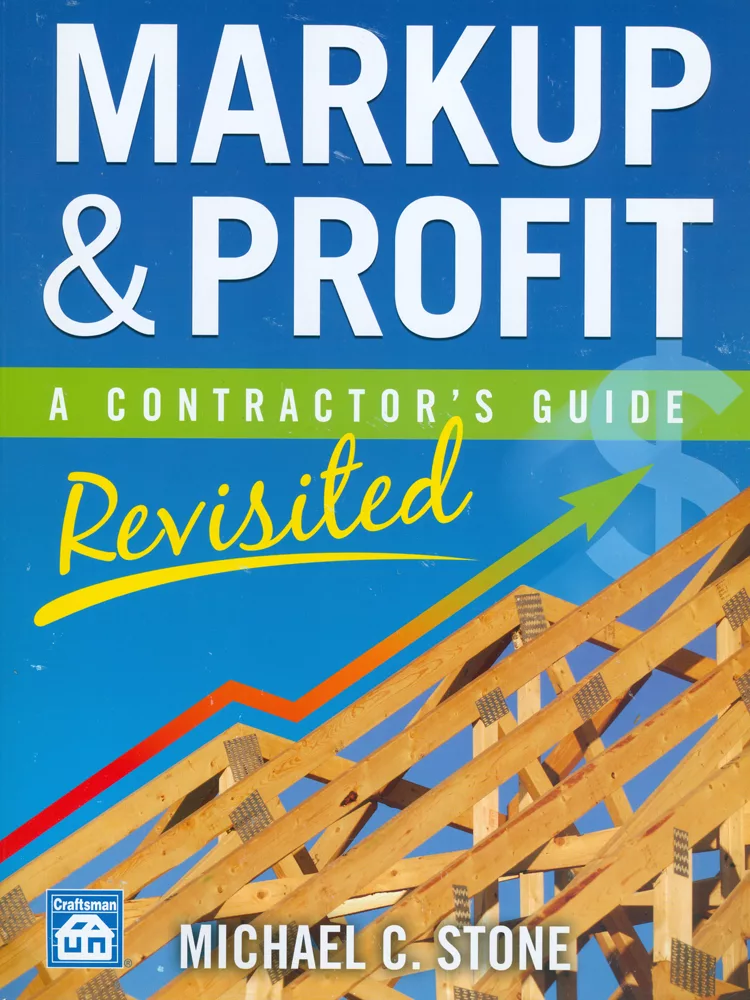
    Markup & Profit: A Contractor's Guide Revisited

See More Products
×

Be in the forefront of the roofing industry!

Join thousands of professionals today. Shouldn’t you know what they know?

JOIN NOW!
  • RESOURCES
    • Advertise
    • Contact Us
    • Directories
    • Store
    • Want More
  • SIGN UP TODAY
    • Create Account
    • eMagazine
    • Newsletters
    • Customer Service
    • Manage Preferences
  • SERVICES
    • Marketing Services
    • Reprints
    • Market Research
    • List Rental
    • Survey/Respondent Access
  • STAY CONNECTED
    • LinkedIn
    • Facebook
    • Instagram
    • YouTube
    • X
  • PRIVACY
    • PRIVACY POLICY
    • TERMS & CONDITIONS
    • DO NOT SELL MY PERSONAL INFORMATION
    • PRIVACY REQUEST
    • ACCESSIBILITY

Copyright ©2025. All Rights Reserved BNP Media.

Design, CMS, Hosting & Web Development :: ePublishing