Skilled Trades
84 Lumber Highlights Growth Paths in Construction
During Careers in Construction Month, 84 Lumber highlights opportunities and partnerships that redefine skilled trades
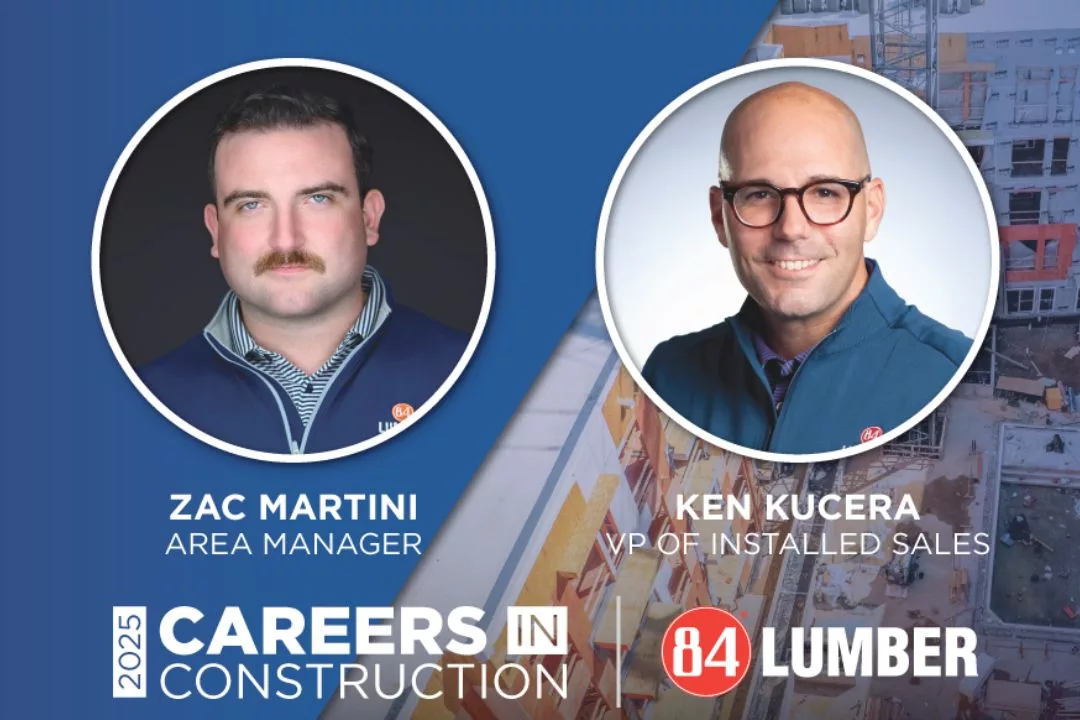
84 Lumber, the nation’s largest privately held supplier of building materials, is using Careers in Construction Month to highlight the opportunities skilled trades provide. Through training, mentorship, and partnerships with developers, the company aims to shift perceptions of construction careers—underscoring how roles from yard associate to manager trainee can lead to long-term growth while helping deliver complex projects on time and on budget.
Building From the Ground Up
The push comes as the construction industry faces a well-documented labor shortage, with demand for skilled workers outpacing supply across residential and commercial sectors. Ken Kucera, vice president of installed sales and manufacturing at 84 Lumber, says the gap isn't about ability—it's about awareness.
"People think trades are a fallback. They're not. They're a launchpad," Kucera said. "The pay is strong, the growth is real, and the work is meaningful."
The company's Manager Trainee Program accepts candidates from all backgrounds, requiring no prior construction experience. Zac Martini, an area manager who entered the industry after working in restaurants, says the model works because it prioritizes development over credentials.
"I didn't know a thing about lumber or framing," Martini said. "But I had a work ethic, and 84 Lumber gave me the chance to learn."
Beyond the Yard
84 Lumber's role extends beyond material supply. On projects like a 21-unit luxury apartment building in Melrose, Mass., the company coordinated deliveries of trusses, subfloor materials, and fire-rated assemblies on a constrained commuter-rail site. Developer Robert Johnson of Johnson Construction said the precision was critical.
"We had trusses as close as 30 inches in some areas and virtually no space to stage materials," Johnson said. "84 Lumber was on top of every change."
The collaboration model—getting involved months before groundbreaking to review specs and coordinate logistics—has become a distinguishing factor for the company, which operates 320 facilities across 34 states.
Changing the Narrative
Both Kucera and Martini say the industry's biggest challenge is perception, particularly among younger workers. Despite strong wages and clear advancement paths, construction careers remain undervalued in public discourse.
"For Gen Z especially, there's a disconnect," Kucera said. "They don't realize just how high-paying, respected, and strategic these roles can be."
To learn more, visit 84Lumber.com.
Looking for a reprint of this article?
From high-res PDFs to custom plaques, order your copy today!