Security
Stopping Theft: How to Improve Security in Roofing Distribution
As building material thefts continue to rise, distributors can take steps to prevent further incidents
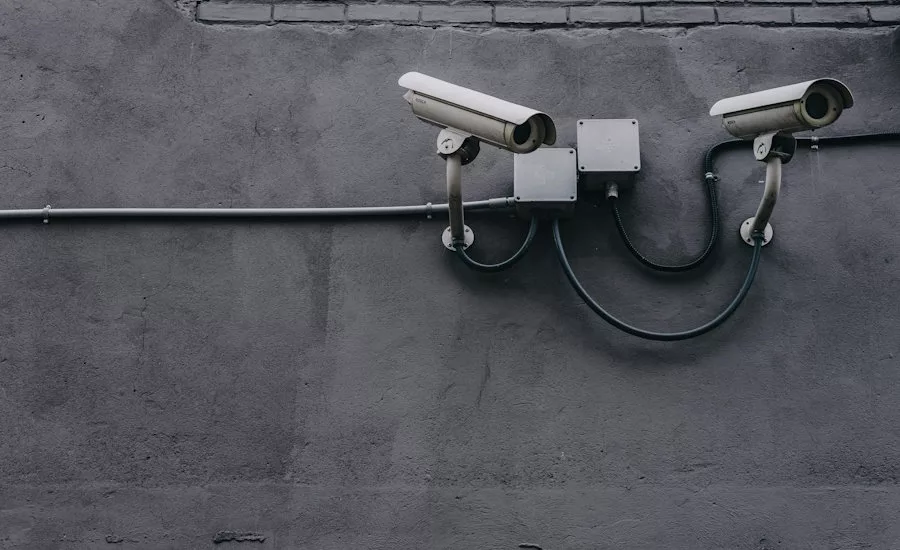
Photo by Scott Webb via Pexels.
Throughout 2024, reports of material thefts made headlines throughout the country. Some took place at residential locations but more concerning are those happening at distribution branches.
Last October, four 18-wheelers loaded with shingles were stolen from secure truck yards in what is suspected to be a theft ring operating in Texas. Two suspects were caught allegedly stealing items from a Beacon branch in Bridgeport, Conn. in the early morning on Aug. 29. Last July, ABC Supply Co. Inc. employees spotted shingles in the back of a pickup truck, leading to the arrest of a 60-year-old woman who was trying to steal them.
Motivations are unclear, whether it’s stealing to resell them or using the products in their own projects. Regardless, distributors looking to curtail these thefts, especially as the cost of goods continues to rise, can invest in anything from signage and fencing to modern cameras and radar equipment to protect their wares.
Knowing the Basics
Erik Antons, global director of Global Security, has more than 20 years of experience in the security industry, including government, corporate and military organizations. He said while distributors should look into modern methods to prevent crimes, even basics like signage and 6-foot fencing with a three-foot barbed-wire top are good deterrents for would-be criminals.
“It comes back to the fundamentals — have good barrier, and if people don’t know [products] are there, all the better,” he said. “Can you hide it in some way? Cover it with a tarp, and store it indoors whenever possible. Provide more barriers to entry as possible. If you can’t, then you need to rely upon your barriers as much as you can.”
Those barriers can be split into four categories. Joe Morgan, segment development manager, critical infrastructure for Axis Communications, said when establishing a security system, it’s helpful to examine it as various zones. He breaks it down as the following:
- Zone 4 – perimeter protection or buffer zones
- Zone 3 – perimeter access control
- Zone 2 – the site itself
- Zone 1 - sub-perimeter protection
“By evaluating and securing each zone, you'll create a layered security strategy that minimizes risks and maximizes protection,” he said.
Boon Edam, a manufacturer of security barriers, notes an often overlooked security risk is unauthorized entry through “social engineering tactics,” where individuals can easily exploit traditional access points by posing as a contracted worker, repairman or delivery person. The same holds true for warehouses, outdoor yards and loading docks.
“Without a comprehensive security approach that includes security entrances, companies leave themselves open to breaches that can lead to physical and financial risks and liabilities,” said Amanda Powell, marketing manager for Boon Edam.
Warehouses and Branches
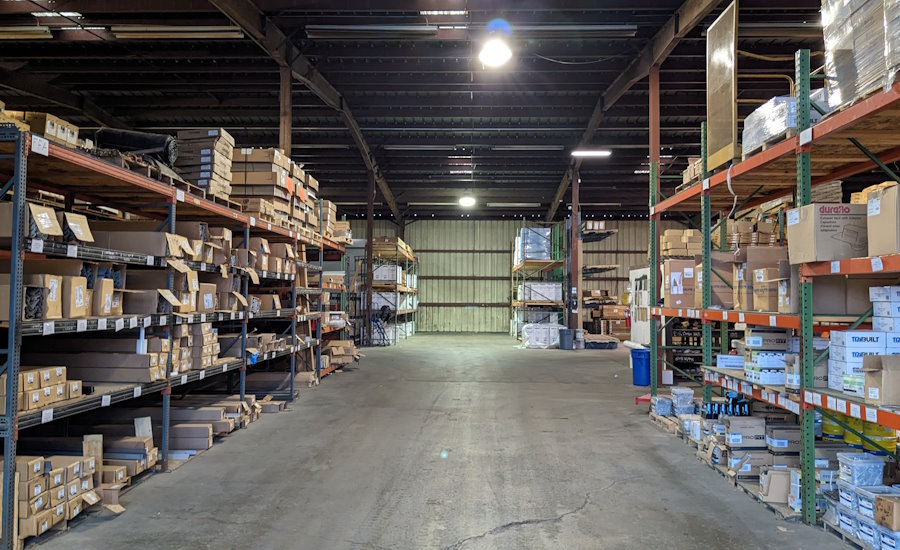
Distributors looking to curtail and prevent product theft have a myriad of technologies and techniques to consider.
In terms of distributors, there is an inherent risk built into the typical business model. Morgan points out that allowing showroom tours to continue into the warehouse poses a threat, as it provides opportunities for theft or tampering. Unsecured loading docks can serve as entry points for unauthorized individuals.
“The impact of theft by insiders is multifaceted and could result in damages such as financial loss, harm to business reputation and employee morale, regulatory consequences, and operational disruptions,” he said.
In these high-traffic areas, Boon Edam recommends full-height turnstiles and access-controlled gates to prevent unauthorized entry. The company’s turnstiles, for example, can be integrated with video surveillance, intercoms and biometrics solutions.
RELATED: Security Q&A: Mark Landry, AMAROK
For entry to branches and yards, access control systems that combine badge systems and biometric systems and sensors provide a multi-layered approach.
“They provide a multi-layered approach that confirms an individual's identity before granting entry, which can significantly reduce risks from unauthorized personnel or external threats,” said Powell.
Meanwhile, wide-angle cameras equipped with detection analytics and alarms can monitor restricted areas, while high-resolution cameras can provide clear footage for post-incident forensic evaluations. Cameras are becoming smarter as well, able to differentiate between animals and humans – some can even use facial recognition and send alerts for anomalies.
Outdoor Supply Yards
Morgan said specialized solutions can help suppliers secure vulnerable areas like outdoor yards and storage spaces. For example, thermal cameras can be used to create a "thermal fence line" around storage areas, detecting heat signatures and using analytics to alert on potential intrusions.
In the past, Axis Communications has worked with roofing distributors and suppliers, utilizing thermal and short-range radar technologies to monitor and protect outside perimeters, including parking lots and roof access points. In material yards, the company has deployed thermal and radar technologies to detect and deter potential intruders.
“Radar fusion technology can cover even larger areas, such as storage yards, detecting and tracking movement,” he said. “Access control systems with audio capabilities can facilitate secure delivery processes, while door stations with access control ensure only authorized personnel enter sensitive areas.
“Additionally, partnering with a monitoring service provider provides an extra layer of protection after hours, offering evaluation and notification services in case of suspicious activity.”
Antons said access control plays a key role in securing outdoor areas. Anytime a badge is swiped on a card reader, for instance, distributors have controlled access from suppliers.
“So when your suppliers come up with a flatbed full of shingles or something like that, is there some way to capture the data of those deliveries?” he said.
Employee Buy-In

Employees are among the best assets a company can have for safety and security.
Upgraded security can help deter ne’er-do-wells, but it won’t be as useful without employees doing their part. Employees might view extra security as red tape that slows down business. However, by making them a part of it, distributors and suppliers can implement tech while creating a work culture that embraces security.
Every security expert we spoke with emphasized the importance of employee training. Powell says employee training is foundational for any security strategy, adding that all employees, from entry-level staff to senior management, need to understand the importance of security protocols.
“Security awareness not only empowers employees to be proactive but also fosters a culture of vigilance, where everyone contributes to a safer, more secure workplace,” she said.
Morgan shared similar sentiments, saying educating staff on access points, blind spots and high-traffic times enables them to recognize and report suspicious activities.
“By understanding the value of commodities and being vigilant, employees become the first line of defense against potential bad actors, helping to prevent theft and other security breaches,” Morgan said.
Unfortunately, there may be instances of insider threats. Antons said when hired, employees may pass background checks with flying colors but as time goes on, life situations — whether it be things like divorce or debt — might motivate them to turn to unscrupulous activities.
“It comes down to really knowing what's normal with your employees, so what's the normal state of being, and recognizing situations when they change,” he said. “Security awareness training is one of the most gratifying parts of my job … every person who sits through one of those is an agent for you. So you have an extra set of eyes to report something that looks weird or ears to report something that sounds weird.”
Establishing a relationship with local law enforcement is also a worthy endeavor. Should they have to respond to a call, having them be familiar with a branch or warehouse’s layout and security measures can go a long way toward an investigation.
Optimized Efforts
While security measures like badges might seem cumbersome or expensive, they offer greater benefits should something happen. Beefing up security can also be as simple as making sure inventory practices are optimized to detect missing products.
For example, Antons said distributors could consider RFID or GPS tracking for their more valued items. This helps not only with tracking down stolen items but also assisting with inventory control.
“As that stuff is being loaded [onto trucks], those RFIDs are being scanned. So now you know exactly what's going out,” he said. “If you're responsible for everything from the warehouse to the customer, then, yeah, you might be more likely to make those investments.”
Boon Edam has worked with roofing contractors and distributors alike in the past for security, including managing large warehouses, outdoor storage yards and loading zones. This typically involves assessing the impact of secured entrances on daily workflows and helping integrate solutions that don’t hinder everyday operations.
“These security improvements have led to measurable gains, such as reduced shrinkage and faster ROI, while also reinforcing overall site safety and compliance,” Powell said. “Protecting your facility’s perimeter is more crucial than ever as security threats grow increasingly sophisticated.”
Looking for a reprint of this article?
From high-res PDFs to custom plaques, order your copy today!