Distributor Operations
Security Q&A: Mark Landry, AMAROK
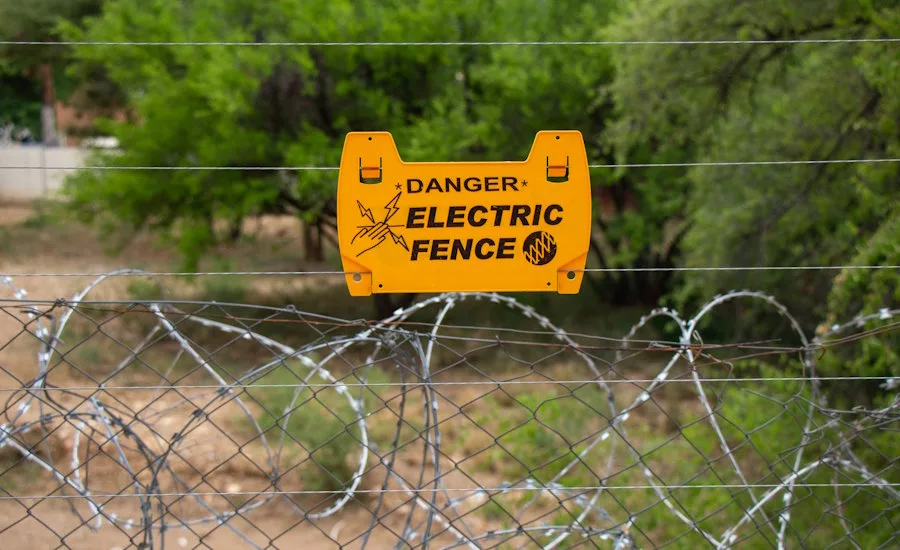
Photo by Alan J. Hendry on Unsplash
To better understand how important security is to distribution, we spoke with numerous experts in the field on what distributors need to know.
Among them was Mark Landry, who has spent 25 years in the security industry. He spent 20 years at FedEx in the investigations organization, with his last seven years at the Corporate Strategic Security Organization. He is currently a national accounts director at AMAROK, a provider of solar-powered electric fences and alarm systems.
RSP: What are some common security risks that distributors and suppliers might not be considering?
Mark Landry (ML): There are direct and indirect risks for businesses related to property crime.
- Theft During Operational Hours: Opportunistic theft while loading/unloading goods.
- Reputational Risk: Don’t get hyper-focused only by protecting finished goods or raw materials in your yard. Criminals are targeting your vehicles on-site as well. Not being able to deliver to your customers in a reliable way has lasting effects and damages your brand.
- Liability: Supply lots are risky as it is, and the business can be liable for injury even if the individual accessed the property unauthorized.
- Productivity: Business productivity takes a hit if vehicles are down, inventory has to be recounted, or management is dealing with reporting a theft incident to authorities or insurance.
- Business Reputation: If inventory is unavailable when customers need it, it can harm a supplier’s reputation.
RSP: What are some effective solutions that can be implemented?
ML:
- Layered Security: Combine physical deterrents like electric fences with surveillance systems like motion-activated cameras and alarms.
- Lighting: Motion-activated lighting in poorly lit areas to deter intruders.
- Perimeter Deterrence: Solutions like electric fencing that deter criminal activity without disrupting operations.
RSP: How can security measures be balanced with the need for efficient operations?
ML:
- Streamlined Access Systems: Use RFID or mobile app-based access to ensure speed and security.
- Automation: Implement systems like automated gates or surveillance that don’t rely heavily on manual intervention.
- Employee Training: Educate employees to integrate security into daily operations without slowing down processes.
RSP: What type of training should employees have to help with ID and report suspicious activity?
ML:
- Recognizing Anomalies: Spotting unusual behavior or unauthorized individuals.
- Incident Reporting: Clear protocols for reporting suspicious activity to management or authorities.
- Use of Technology: How to arm, use surveillance tools or access systems effectively.
RSP: Have you worked with any roofing distributors or building material suppliers in the past? If so, how did you help them?
ML: AMAROK secures over 8,000-plus properties nationwide — including many roofing distributors and building material suppliers. Our electric fencing perimeter security solution serves as a physical, shock and alarm deterrent, protecting valuable equipment and materials stored on-site.
As the cost of building materials rises, criminals take advantage of unattended materials on unsecured properties for themselves or to resell. By showing these criminals that you take security seriously, they will move on to the next property.
Looking for a reprint of this article?
From high-res PDFs to custom plaques, order your copy today!