What the Roofing Industry Should Expect for 2021
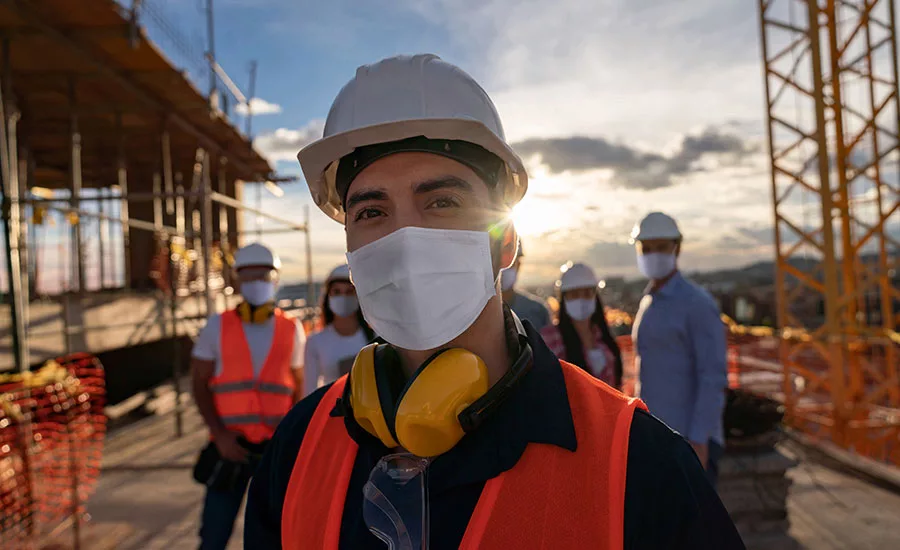
For the next three years, 86% of survey respondents expect sales volume to increase. Amid that optimism, there are other issues to consider. Photo credit: andresr/E+ via Getty Images.
When we made predictions for 2020, no one could have imagined the changes wrought by the COVID-19 pandemic. As the nation slowed and businesses shuttered, some construction workers were initially not deemed “essential.” But as that classification changed — and companies found ways to operate as the coronavirus persisted — the roofing industry remained nimble and ended the year strong.
In the third quarter of 2020, the United States saw the GDP increase by a record 33.1%, but that followed a historic 31.4% fall in the second quarter as the economy grappled with COVID-19. As the year ended, the GDP was still 3.5% lower than before the pandemic. Decreases in public and personal consumption offset positive investments in business and housing. Of the 22 million jobs lost, only about half were recovered.
As we look to 2021, the health of the nation’s economy will rely heavily on the distribution and success of a COVID-19 vaccine. In general, roofing contractors seem optimistic. Based on the 2020 Roofing Contractor Roofing Report results, 68% of respondents expect increased sales volume from 2020 to 2021. For the next three years, 86% of respondents expect sales volume to increase. Amid that optimism, there are other issues to consider.
Increased OSHA Rulemaking and Enforcement
As the United States prepares for a Biden administration, roofing contractors should anticipate increased OSHA regulation and enforcement. While the country continues to contend with the COVID-19 pandemic, OSHA will enact an infectious disease standard as well as additional guidelines governing COVID-19 whistleblowers. In addition to virus concerns, the industry can expect increased safety regulations related to heat illness and injury, issues that have been of concern for some time. Overall, the construction industry should prepare for more stringent oversight from OSHA, including more inspections and citations.
Employee Classification Guidelines
The roofing industry continues to see a shortage of qualified workers, and distinctions regarding worker classification as employees or independent contractors may further complicate production. Employers may be tempted to classify workers as independent contractors because that prevents them from having to pay for certain taxes, insurance, and other benefits. However, if this classification is not accurate, employers can face serious legal issues.
The Biden administration has already signaled that it intends on focusing on misclassification. Therefore, we see a renewed emphasis placed on rulemaking, audits, and enforcement. Contractors that use a 1099 salesforce or subcontractor labor should pay close attention to the factors that determine whether a worker is properly classified. Currently, the Department of Labor uses the economic realities test, which focuses on seven factors to determine the nature of independence and control the prime roofing contractor has on its subcontractor. Factors such as whether the subcontractor advertises, works for multiple contractors, uses its own tools and equipment, and maintains a separate business are examined to make the determination.
Misclassification penalties can be serious and can result in a variety of government enforcement actions by the Department of Labor, the IRS, the U.S. Department of Homeland Security (for immigration and I-9 purposes), and similar state and federal agencies.
New Drug Laws
The November 2020 election brought about significant changes, and among those are new drug laws that can affect worksites. In Arizona, Montana, New Jersey, and South Dakota, voters cast their ballots to decriminalize recreational marijuana, making it legal in 15 states. Mississippi and South Dakota voted to legalize medical marijuana, joining 33 other states that had already legalized it. In addition, Oregon made it legal to possess (but not sell) small amounts of cocaine, heroin, and methamphetamines. The state also voted to create a program for distributors of psilocybin, the main ingredient in psychedelic mushrooms. Washington, D.C., also decriminalized psilocybin.
These laws can present challenges to employers and may be confusing for workers. Companies must explain to employees that these new regulations do not justify drug use while they are on the clock. Just as employees cannot use alcohol while at work, they should not be under the influence of any drug — legal or not.
Further, companies can benefit from offering additional training for managers so they can identify signs of impairment. If workers have any drugs in their system, they can be a danger to themselves and their coworkers, and this is especially true in the roofing and construction environment.
In addition to speaking with and training employees, companies must ensure that employee handbooks are updated to include easy-to-understand language about marijuana and other drugs. While employers cannot dictate what employees do on their own time, they can enforce a zero-tolerance stance on the job site.
Renewable Energy
As the Biden administration implements its initiatives, we can expect that there will be a push for more renewable energy use, including water reclamation, green roofs, biofuel, and solar. For roofing companies, this means that companies will need to incorporate a broad range of offerings to cater to this heightened demand.
Owners of homes and other buildings can benefit from using reclaimed water. One option is reusing wastewater for non-potable purposes, such as irrigation. Another is rainwater harvesting, which captures and stores rainwater for non-potable uses. Studies show that these methods can reduce water use by as much as 60%.
Green roofs, also known as living roofs, have unique advantages: These plant coverings reduce heat and insulate buildings, which lowers energy costs. They curb greenhouse gas emissions, increase air quality, and improve the efficiency of HVAC and other mechanical equipment. Because of these energy-related benefits, buildings that incorporate green roofs can see their Leadership in Energy and Environmental Design (LEED) credits increase. While green roofs have existed for decades, we anticipate that roofs will become profit centers by growing cash crops such as plant biofuel.
Integrating biofuels in roofing and construction projects is critical for reducing energy use. Biofuels, a climate-friendly alternative to fossil fuels, are created from readily available plants. While burning fossil fuels adds carbon dioxide to the atmosphere, biofuels contribute only as much carbon dioxide as the plants absorbed while they were alive. It is feasible to grow plants on green roofs and then harvest them for biofuels.
Most people see that residential and commercial solar will play a significant role in the future of energy. The solar and roofing industries will likely form an alliance to accommodate the trend. Over the years, solar products have become easier to install, and technology has made the design more accessible, which has allowed roofers to enter the solar market. Simultaneously, some solar installers are incorporating roofing.
A general rule is that the best time to install solar is when the roof is initially installed (or soon after) or when it is being replaced. For customers, the process is more streamlined if they can use one contractor for the roof and solar. Also, if there are any warranty issues, one contractor is responsible — not two. For the contractors, having the ability to sell and install two products is good for their bottom line.
Contractors who choose to add solar options to their roofing services must update contracts accordingly. They will need to reflect the new scope of work and include any possible risk. Those risks include potential structural issues, increased roof loads, increased risk of fire, possible reduction in the roof’s safety classification, and potential water leaks.
Although solar roofing options have been available for decades, we anticipate an increased demand by consumers. As the new administration pushes for more renewable energy sources, solar may become more popular and appealing.
Summary
In 2020, the roofing industry joined the nation in facing multiple challenges brought on by the COVID-19 pandemic. However, these challenges also ushered in options for streamlining processes and embracing new opportunities. As 2021 unfolds, it will be more crucial than ever to adhere to safety guidelines, build reliable crews, ensure accurate classification, and update handbooks as needed. As the Biden administration settles into the White House, contractors should monitor enhanced renewable energy initiatives and determine how they can take advantage.
Disclaimer: The information contained in this article is for general educational information only. This information does not constitute legal advice, is not intended to constitute legal advice, nor should it be relied upon as legal advice for your specific factual pattern or situation.
Looking for a reprint of this article?
From high-res PDFs to custom plaques, order your copy today!