Metal Roofing
The Benefits of Choosing Metal Roof Systems Made in the U.S.A.
Meeting the Moment with On-Site Rollforming and American-Made Metal Roof Panels
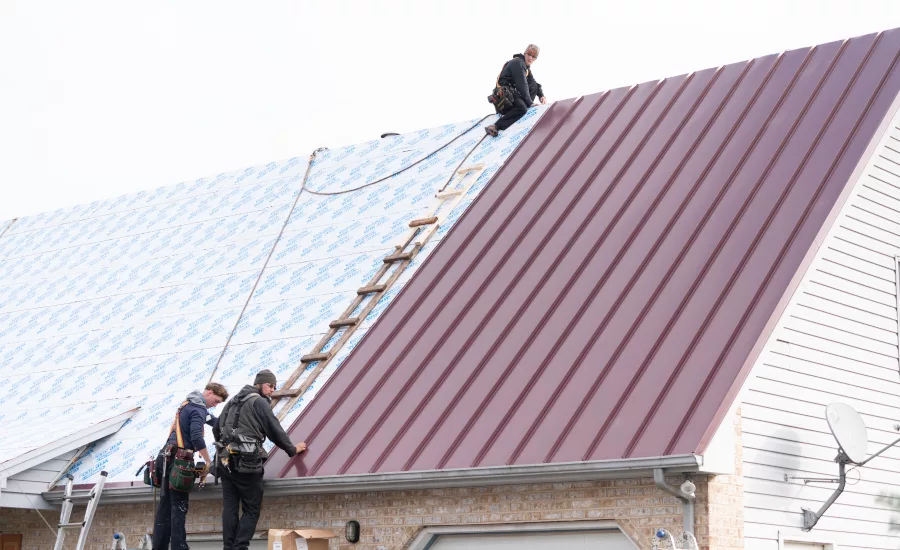
Demand for metal roofing is surging as homeowners and building owners prioritize systems that endure severe weather better than other systems.
The roofing industry has always been shaped by cycles of demand, cost pressures and shifting regulations. This rings even more true in 2025. According to the U.S. Census Bureau’s August reports, the cost of private construction (residential and non-residential) rose by more than 5% in the last 12 months. A major driver behind these rising costs is the steady increase in prices for critical materials, including fabricated structural metals.
At the same time, demand for metal roofing is surging as homeowners and building owners prioritize systems that stand up to severe weather, require less maintenance and provide lasting protection. Further complicating things, new tariffs implemented on Aug. 1 are causing mounting cost pressures and ongoing market uncertainty for many roofing contractors, impacting their profitability.
These challenges have become the backdrop against which every roofing contractor must make decisions. For some professionals, the instinct can be to absorb higher costs, cut margins or simply wait for market conditions to improve. But this moment calls for a sustainable and long-term solution. The question is no longer how to ride out short-term volatility, but how to build a business model resilient enough to thrive in it.
Forward-thinking contractors can differentiate themselves by rethinking how they source and produce materials. They can shift away from dependence on imported metal and embrace high-quality, American-made metal and utilizing on-site rollforming technologies. This strategic approach can help them gain greater control over their supply chain, reduce waste, accelerate project timelines and deliver premium, durable metal roof systems that meet evolving market demands.
Choosing American-made Metal Roofs
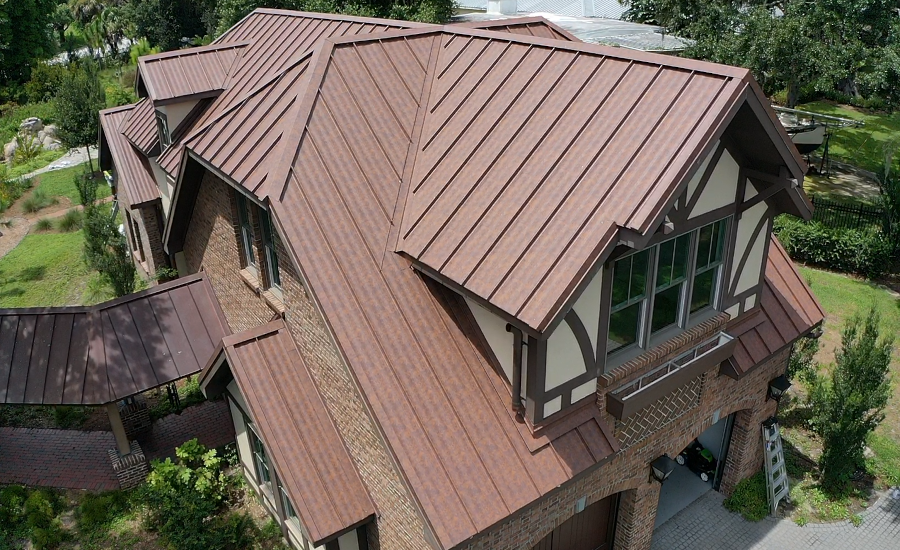
Metal roofing provides multiple benefits, both to the contractor and homeowners. Photo courtesy of Drexel Metal
American manufacturing sets high standards for quality and reliability in metal roofs. Most offerings in the market today are produced under strict safety regulations and rigorous standards established by recognized industry authorities like ASTM International.
To meet compliance, American-made metal roofing systems are made using top-quality materials that have been engineered and tested to deliver superior craftsmanship and lasting durability. As a result, choosing USA-made metal roofs means investing in products designed to stand the test of time, resulting in fewer replacements and less maintenance over the roof’s lifespan.
Additionally, because production is rooted closer to home, metal roofing projects can benefit from faster turnaround times and more dependable supply chains. This gives roofing contractors greater control over project schedules and helps minimize costly delays. Beyond providing peace of mind and operational efficiencies, fewer replacements and reduced delays translate directly into significant time and cost savings, boosting profitability over the long term.
Supporting American manufacturers also strengthens the U.S. economy by creating well-paying jobs and fostering innovation within the industry. Selecting “Made in USA” products also means choosing a more sustainable path: domestic manufacturing reduces air pollution, lowers carbon emissions and shrinks transportation footprints compared to imported goods, which require long-distance shipping and greater fuel consumption.
Staying Local
Going a step beyond American-made, roofing contractors can take a more localized approach with regional manufacturing. By shifting production from a distant brick and mortar factory to a local service area, and many times at the actual jobsite itself, manufacturing becomes faster, more flexible and more reliable. In doing so, they gain the confidence of knowing their materials will be consistently durable, visually appealing and delivered on time.
When a roofing company joins an association of regional manufacturers, it can focus on doing what it does best: building strong market relationships and installing dependable roofs that look as good as they perform. Meanwhile, the national supplier provides vital support through high-quality materials, low-risk shipping, onsite roll forming capabilities, back-office assistance and more. This “one-stop shop” model streamlines the supply chain, eliminating the need to source materials from multiple suppliers with varying quality standards. Consolidating orders through a single trusted source also frees contractors from chasing down multiple shipments scattered across the country.
Maximizing Efficiency

Onsite rollforming can maximize material investments for contractors. Photo courtesy of Drexel Metals
Building on this foundation of efficiency, onsite rollforming takes localized production to the next level. Certified regional manufacturers utilize the latest rollforming technology to receive metal coil onsite, then shape panels to the exact profiles required — right at the project location. This onsite manufacturing approach saves contractors significant time and effort compared to cutting down prefabricated panels, which are often limited in size and flexibility.
Custom-length fabrication also solves challenges posed by intricate or decorative roof designs, allowing crews to fabricate and install panels simultaneously, as opposed to ordering and waiting for materials to arrive. This precision leads to faster, more efficient construction and higher-quality results, with the ability to make adjustments on the fly.
From a cost perspective, onsite rollforming helps contractors maximize their material investments. First, it reduces the risk of damage during transit since metal coils and sheets are easier to ship than fully formed panels. This mitigates the frustration and expense of replacing damaged shipments. Second, when contractors trim metal panels onsite to fit a project’s specific dimensions, they are often left with damaged, unusable excess. Metal coils and sheets help solve this challenge by producing only the needed lengths, saving leftover materials for future projects.
This efficiency decreases overhead associated with waste management while also minimizing the time and resources required for onsite cleanup and disposal. What’s more, the freed-up storage space enables contractors to stock a wider variety of coil materials and colors, expanding options for customers and enhancing market competitiveness.
Because delivery times can be faster, often days instead of weeks, contractors can keep projects on or even ahead of schedule. In the end, these benefits may help roofing contractors retain or increase profit margins and improve relationships with general contractors and project owners.
At the end of the day, volatility in material costs, supply chain issues and regulations may not go away. The real question that remains is how the roofing industry chooses to respond. After all, it is not just about managing today’s pressures, but about creating a business model that is resilient enough to thrive through whatever comes next.
Roofing contractors who embrace innovation and reimagine their role in the supply chain are not simply building stronger, more durable roofs; they are building stronger businesses and communities. And that, ultimately, is the kind of value the market will reward.
Looking for a reprint of this article?
From high-res PDFs to custom plaques, order your copy today!
.webp?height=740&t=1781278983&width=auto "KEE(2).png")