Manufacturer News
U.S. Asphalt Roofing Shipments Decline as Canada Experiences 24% Growth
The data suggests ongoing challenges in the U.S. construction and renovation markets
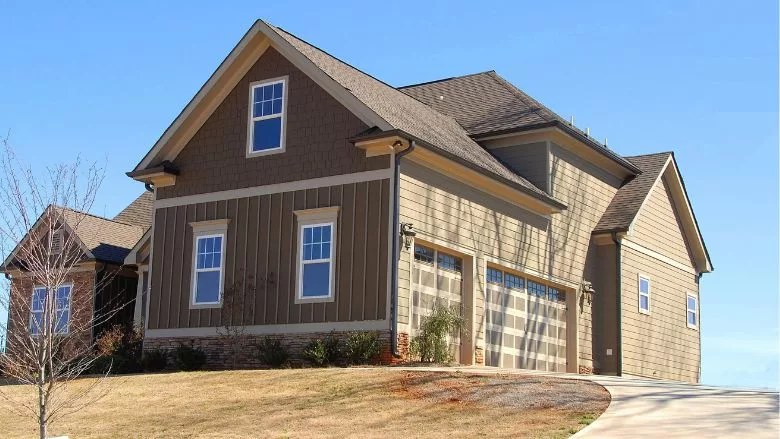
—Photo courtesy Pixabay.
The asphalt roofing industry experienced continued headwinds in the second quarter of 2025, with U.S. shingle shipments declining 4.3% compared to the same period last year, according to new data released by the Asphalt Roofing Manufacturers Association (ARMA).
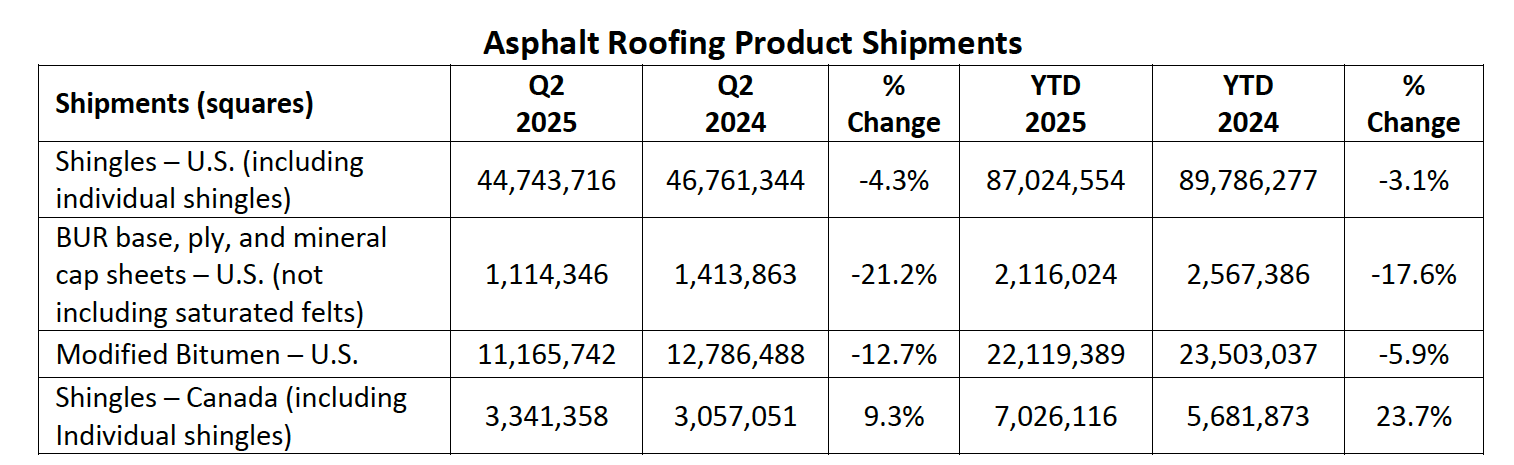
American asphalt shingle shipments totaled 44.7 million squares in Q2 2025, down from 46.8 million squares in Q2 2024. Year-to-date shipments have fallen 3.1% to 87 million squares, suggesting sustained weakness in the U.S. roofing market.
Built-up roofing (BUR) materials saw the steepest decline, dropping 21.2% in Q2 and 17.6% year-to-date. Modified bitumen shipments also fell significantly, declining 12.7% in the quarter and 5.9% for the year.
In stark contrast to U.S. performance, Canadian shingle shipments surged 9.3% in Q2 and jumped an impressive 23.7% year-to-date to 7 million squares, highlighting divergent market conditions across North America.
The data suggests ongoing challenges in the U.S. construction and renovation markets, with both residential and commercial roofing segments showing weakness. The pronounced decline in commercial roofing materials indicates particular softness in non-residential construction activity.
Meanwhile, Canada's robust growth may reflect different economic conditions, housing market dynamics, or regional construction cycles that are supporting roofing demand north of the border.
Seasonal Patterns
While Q2 typically brings increased roofing activity, the seasonal uptick was notably muted this year.
U.S. shingle shipments rose just 5.8% from Q1 to Q2 2025, the smallest quarterly increase since ARMA began tracking data in 2017.
Modified bitumen showed similarly weak seasonality with only a 1.9% quarterly gain, also a record low.
BUR roofing materials posted their lowest Q2 total on record despite an 11.2% quarterly increase, which represents the lowest figure in ARMA's reporting history.
Conversely, Canada bucked typical seasonal trends, with shingle shipments declining 9.3% from Q1 to Q2; yet, it still achieved a record-high 23.7% year-to-date growth rate, the strongest performance since ARMA began tracking Canadian data.
Industry Analysis
Lilli Tillman Smith, an industry analyst for Principia, a market research firm specializing in building materials, notes that the steep declines in BUR and modified bitumen reflect broader structural shifts within the roofing industry.
"Long-term trends continue to favor single-ply membranes over traditional BUR and modified bitumen systems, driven by demand for faster, more efficient installations and reflective roofing solutions," Smith said.
While she sees potential for limited recovery in multifamily construction later this year that could provide some upside for these traditional systems, "single-ply membranes are expected to continue gaining market share, particularly in the context of labor constraints and evolving performance requirements."
Smith attributes the overall market weakness to macroeconomic headwinds, stating that "Persistently high interest rates and ongoing economic uncertainty continue to suppress housing starts, limiting growth in new residential roofing demand."
Despite broader economic stability — with unemployment at 4.1% and inflation contained between 2-3%—mortgage rates remain elevated at around 6.7%, creating a significant barrier to housing market activity. While economists expect rates to decline modestly to the lower-6% range by year-end, the improvement may come too late to significantly impact 2025 roofing demand.
U.S. Census Bureau housing data supports this assessment. June housing starts totaled 1.32 million units at a seasonally adjusted annual rate, essentially flat compared to June 2024's 1.33 million units. More significantly for roofing demand, single-family starts declined 4.6% month-over-month to 883,000 units in June, while multifamily construction (buildings with five or more units) reached 414,000 units.
With new construction contributing minimally to shipments and storm season in early stages, Smith expects weather-driven replacement and repair demand to "modestly boost" roofing demand in the second half of 2025.
Looking for a reprint of this article?
From high-res PDFs to custom plaques, order your copy today!