search
cart
facebook twitter linkedin youtube instagram Spotify Podcasts Apple Podcasts Spotify Podcasts Apple Podcasts
  • Sign In
  • Create Account
  • Sign Out
  • My Account
  • NEWS
  • TOPICS
    • Cool Roofing
    • Event News
    • Latinos in Roofing
    • Low Slope
    • Legal
    • Metal
    • Project Profiles
    • Roofing Supply Pro
    • Roofing Safety
    • Steep Slope
    • Sustainable Roofing
    • Technology
  • EXCLUSIVES
    • Best of Success
    • Contractor Profile
    • IRE Show
    • Roofing Contractor of the Year
      • Enter Roofing Contractor of the Year
    • Top 100
      • Enter the Top 100
    • Young Guns
    • State of the Industry
  • MULTIMEDIA
    • Videos
    • Podcasts
    • Interactive Spotlights
    • Roofing Quizzes
    • IRE Videos
    • Webinars
    • Photo Galleries
  • PRODUCTS
    • New Products
    • Featured Products
  • COLUMNS
    • Editor's Note
    • Exit Planning
    • Guest Column
  • EVENTS
    • International Roofing Expo
    • Webinars
    • Best of Success Conference
    • Industry Events
  • DIRECTORY
    • Associations
    • Distributors
    • Manufacturer/Supplier
    • Business Services
    • Get Listed
  • MORE
    • Roofing Contractor Newsletters
    • Techos y Más Advisory Board
    • RC Store
    • Roofing Supply Pro
    • Custom Content & Marketing Services
    • Market Research
    • Sponsor Insights
    • Company Spotlights
    • Classifieds
      • Auctions
      • Business For Sale
      • Business Opportunities
      • Equipment For Sale
      • Positions Available
      • Products
      • Safety
      • Software
      • Services
      • Training
    • Contact Us
  • EMAGAZINE
    • eMagazine
    • Advertise
      • Editorial Calendar
      • Contact
    • Archive Issues
  • SIGN UP!
Cool Roofing

Web Exclusive: Green Focus Turns to Energy-Saving Garden Roofs

By Susan Strong
April 1, 2009
Garden roofs are a scenic application that is swiftly gaining popularity globally for commercial buildings in metropolitan areas. They are found on convention centers, college campuses, airports and medical facilities, just to name a few.

Garden roofs are a scenic application that is swiftly gaining popularity globally for commercial buildings in metropolitan areas. They are found on convention centers, college campuses, airports and medical facilities, just to name a few. Part of the reason for their popularity is because their sustainability benefits are numerous. Garden roofs are indeed green as they lower energy costs, reduce waste, help minimize urban heat island effect and help manage stormwater runoff. They are durable, and not only do they provide scenery for the buildings on which they are installed but also to neighboring structures. In fact, many European cities provide tax incentives for garden roof installations because they improve air quality and alleviate the burden heavy rains place on sewer systems. In 2008, the United States followed the European lead when New York City became the first city to implement the “Green Roof Tax Exemption Resolution.”
 
In order to create long-lasting garden roofs that protect against the outdoor elements and support the weight of soil, vegetation and foot traffic at the same time, an extruded polystyrene foam (XPS) insulation manufacturer pioneered a new kind of assembly in 1968 that turned roofing theory upside-down - literally. Because the XPS insulation is installed on top of the waterproofing membrane, rather than below it, the then-innovative practice is now known as a protected membrane roof (PMR) assembly. Inverting the layers was made possible by XPS insulation, which has higher compressive strengths and better moisture resistance when compared to other rigid foams. In fact, the National Roofing Contractors Association (NRCA) validates these properties, as XPS is the only recommended insulation for garden roofs in the NRCA Green Roof Systems Manual.

How the Building Owner Benefits

With XPS insulation, PMR assemblies provide a thermal barrier with an effective aged R-value of 5.0 per inch, which helps prevent outside temperatures from straining the heating, ventilating and air conditioning (HVAC) systems. Reducing the load on the mechanical equipment can dramatically reduce the building’s energy bills as well as minimize the size - and cost - of the required HVAC unit. Building owners typically recoup the investment cost in energy savings and maintenance costs within seven years of installation.
 

PMR assemblies typically last 40 years or more, which is more than twice as long as a conventional roofing system. Due to the innovative design of garden roofs installed with XPS, leaks are often easier and less costly to isolate than in other roof assemblies. With less frequent roof replacements and fewer repairs, a PMR assembly maximizes the long-term return on investment with reduced waste and replacement costs.


How the Architect Benefits
 
Garden roofs allow architects to be innovative and improve the quality of life of the building through their designs. For example, a garden roof could serve as a therapeutic center on hospital grounds or as a source of locally grown vegetables for city dwellers. Whether on the terraces of a high-rise apartment building or atop a convention center, garden roofs give architects the opportunity to extend their design aesthetic to outdoor spaces.
 

The energy efficiency and environmental benefits can also help earn credits in the U.S. Green Building Council’s LEED program, including: Reduced Site Disturbance - Protect or Restore Open Space; Landscape Design That Reduces Urban Heat Islands - Roofs; Storm Water Management; Water Efficient Landscaping; Innovative Wastewater Technologies; Innovation in Design; as well as earning the credits associated with energy efficiency in general.


LEED Requirements for Energy-Saving Performance
 
The U.S. Green Building Council (USGBC) has a system to rate new building designs called Leadership in Energy and Environmental Design (LEED) for New Construction and Major Renovations (LEED-NC). It is a voluntary, consensus-based standard that recognizes the life-cycle costing of construction. Although not a code or zoning requirement, many owners and government agencies now require their facilities to be LEED certified. 
 
The LEED rating system assigns credits to a design based on meeting criteria for the use of environmentally responsible, sustainable and energy-efficient products and systems. By reaching certain point levels, buildings can earn a rating of LEED Certified, Silver, Gold or Platinum. In some states, provinces and localities, LEED certification can result in financial incentives. When XPS foam insulation is used in green roof assemblies, its use may contribute to LEED points for new construction and major renovations in categories including sustainability, water efficiency and energy performance. It should be noted that an individual material alone does not enable a LEED credit point. LEED credits for design are based on system performance, while LEED credits for recycle content or regional sourcing are dependent on all materials and their proportionate relationship to the total dollar cost of all materials.
 

Selected LEED requirements and strategies applicable when designing green roofs are summarized in the following section.


Energy and atmosphere (EA), prerequisite 2, for minimum energy performance
 
LEED contains six major design categories. One of the categories in which green roofs can contribute is EA. The intent of this category is to establish the minimum level of energy efficiency for the proposed building and its systems, and then reward designs for exceeding the minimum. LEED requirements for designing the building project must comply with mandatory provisions of ASHRAE/IESNA Standard 90.1-2004 (Sections 5.4, 6.4, 7.4, 8.4, 9.4 and 10.4) and prescriptive provisions of ASHRAE/IESNA Standard 90.1-2004 (Sections 5.5, 6.5, 7.5 and 9.5).

The strategy of the project includes designing the building envelope, HVAC, lighting and other systems to maximize energy performance. For projects pursuing Credit 1, a computer simulation model may be used to confirm the satisfaction of this prerequisite. If a local code has demonstrated the quantitative and textual equivalence, it may be used in lieu of ASHRAE.


Credit 1 - Optimize Energy Performance (2-10 points)
 

The intent is to achieve increasing levels of energy performance above the baseline in the prerequisite standards listed above in order to reduce environmental and economic impacts associated with excessive energy use. LEED requirements use one of the following options, all of which are assumed to be in compliance with the above Prerequisite 2. <br><br>


Option 1: Whole Building Energy Simulation (1-10 points; minimum of 2 required)

Demonstrate a percentage improvement in the proposed building performance rating compared to the baseline building performance rating per ASHRAE Standard 90.1-2004. The minimum energy cost savings (percentage) for each point is shown below. <br><br>


Points

New Buildings (%)

Existing Building Renovations (%)

1

10.5

3.5

2

14

7

3

17.5

10.5

4

21

14

5

24.5

17.5

6

28

21

7

31.5

24.5

8

35

28

9

38.5

31.5

10

42

35


Additional requirements for a LEED building system are:

• It must comply with mandatory provisions in ASHRAE 90.1-2004.

• It must include all the energy costs within – and associated with – the building.

• It must be compared against a baseline building - the default process-energy costs are 25 percent of the total energy usage. If it is lower than this, the LEED submittal must include supporting documentation to make sure process-energy inputs are appropriate.


Option 2: Prescriptive Compliance Path (4 points)

Using this path, the building system must comply with ASHRAE Advanced Energy Design Guide for Small Office Building 2004. The following restrictions apply:

• Buildings must be less than 20,000 square feet.

• Buildings must be office occupancy.

• Project teams must fully comply with all the applicable criteria set in the guide for the particular climate zone.


Option 3: Prescriptive Compliance Path (2-5 points)

Using this option, the building system must comply with the prescriptive measures in the Advanced Buildings Core Performance Guide by the New Buildings Institute. The following restrictions apply:

• Buildings must be less than 100,000 square feet.

• Buildings may not be health care, warehouse or laboratory projects.

• Project teams must fully comply with Sections One (“Design Process Strategies”) and Two (“Core Performance Requirements”). The strategy uses a computer model to demonstrate the energy performance and the cost-effective energy-efficiency measures. The replacement of the ASHRAE standard is possible upon proven efficiency.


There are also 2-3 minimum points achieved under Option 2.

• Three points are available for office, school, public assembly and retail projects less than

• 100,000 square feet that comply with Sections One and Two.

• Two points are available for all other project types less than 100,000 square feet (except health care, warehouse or laboratory projects) that implement the basic requirements of the Core Performance Guide.


There are also 2 additional points available under Option 3:

• Up to two additional points are available to projects that implement performance strategies listed in Section Three (“Enhanced Performance”).

• For every three strategies implemented from Section Three, one point is available.

• Any strategies applicable to the project may be implemented except: 3.1 Cool Roofs, 3.8 Night Venting, and 3.13 Additional Commissioning.
 

These strategies are addressed by different aspects of the LEED program falling outside of Energy and Atmosphere requirements and are not eligible for additional points under EA Credit 1. For more information on all LEED criteria as it applies to XPS used in green or garden roofs, visit www.xpsa.com/enviro/green.html.

KEYWORDS: green roofing

Share This Story

Looking for a reprint of this article?
From high-res PDFs to custom plaques, order your copy today!
Susan Strong is Executive Director of the Extruded Polystyrene Foam Association (XPSA), a trade group representing manufacturers of extruded polystyrene foam (XPS) insulation products and the industry’s raw material suppliers. For more information,   visit www.xpsa.com. 

Recommended Content

JOIN TODAY
to unlock your recommendations.

Already have an account? Sign In

  • two-roofers-in-harnesses-on-tile-roof

    How AI Is (and Isn’t) Impacting Roofing Jobs

    A new study from Microsoft shows artificial intelligence...
    Roofing Technology
    By: Chris Gray
  • Baker-Roofing-Company-employees-on-flat-roof-examinining-paperwork

    Exclusive: 2025’s Top 100 Roofing Contractors

    Roofing Contractor's 2025 Top 100 list reveals revenue...
    Top 100 Roofing Contractors
    By: Chris Gray
  • A before and after heat measurement comparison

    How Hot is Too Hot in the Attic?

    If the ventilation is working, how hot should the attic...
    Steep Slope Roofing
    By: Paul Scelsi
You must login or register in order to post a comment.

Report Abusive Comment

Manage My Account
  • eMagazine Subscription
  • Sign Up for the Newsletter
  • Online Registration
  • Manage My Preferences
  • Subscription Customer Service

More Videos

Sponsored Content

Sponsored Content is a special paid section where industry companies provide high quality, objective, non-commercial content around topics of interest to the Roofing Contractor audience. All Sponsored Content is supplied by the advertising company and any opinions expressed in this article are those of the author and not necessarily reflect the views of Roofing Contractor or its parent company, BNP Media. Interested in participating in our Sponsored Content section? Contact your local rep!

close
  • A finished commercial roof, including flashings
    Sponsored byFlashCo

    It’s All in the Details – How to Avoid 4 Common Mistakes with Roofing Accessories

  • Happy mature couple using phone holding credit card making payments. Middle aged older man and woman doing ecommerce shopping on smartphone booking or buying online on mobile sitting at home table.
    Sponsored byWatercress Financial

    Meeting Modern Expectations: Why Offering Financing Is Essential for Roofers Today

  • A roofing contractor stands on a roof behind an American flag
    Sponsored byTAMKO®

    Building Roofs, Building Community: TAMKO’s Lasting Commitment to Veterans and the Military

Popular Stories

TWS Remodeling team

Private Equity Fallout Rocks Roofing; Pros Step In

Malarkey-logo-with-Charles-Collins-headshot

Malarkey Roofing Products Announces New President

roofer-safety-harness-construction.jpg

OSHA's Top 10 Most Cited Violations of 2025

Roofing Contractor Bookstore

Related Articles

  • Energy-Saving Landmark: Vancouver Convention Centre Sports Distinctive Green Roof

    See More
  • Green Technology Turns America's Roofs Into Energy Assets

    See More
  • Web Exclusive: Putting Energy Efficiency to the Test

    See More

Related Products

See More Products
  • green roofs.jpg

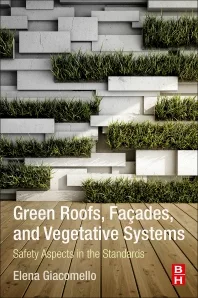
    Green Roofs, Facades, and Vegetative Systems 1st Edition

  • performance

    Performance-Based Building Design: From Below Grade to Floors, Walls, Roofs, and Windows to Finishes, 2nd Edition

  • Green Roof Systems: A Guide to the Planning, Design and Construction of Building Over Structure

See More Products
×

Be in the forefront of the roofing industry!

Join thousands of professionals today. Shouldn’t you know what they know?

JOIN NOW!
  • RESOURCES
    • Advertise
    • Contact Us
    • Directories
    • Store
    • Want More
  • SIGN UP TODAY
    • Create Account
    • eMagazine
    • Newsletters
    • Customer Service
    • Manage Preferences
  • SERVICES
    • Marketing Services
    • Reprints
    • Market Research
    • List Rental
    • Survey/Respondent Access
  • STAY CONNECTED
    • LinkedIn
    • Facebook
    • Instagram
    • YouTube
    • X
  • PRIVACY
    • PRIVACY POLICY
    • TERMS & CONDITIONS
    • DO NOT SELL MY PERSONAL INFORMATION
    • PRIVACY REQUEST
    • ACCESSIBILITY

Copyright ©2025. All Rights Reserved BNP Media.

Design, CMS, Hosting & Web Development :: ePublishing