Energy Efficiency: From the Roof Down
Proper Steps to Keeping Your Roof Cool
The science behind a “cool” reflective roof is simple: Light colors reflect solar radiation and dark colors absorb solar radiation. Reflective roofs may reduce the cooling costs associated with commercial buildings and residences by reflecting photons emitted by the sun back into the environment. “Coolness” is measured by two properties: solar reflectance (SR, or reflectivity) and thermal emittance (emissivity), or a combination of the two, which is called Solar Reflectance Index (SRI). These are the terms one will run into when talking about a cool roof.
When making the decision to choose a cool roof, there are certain questions that the homeowner, or building owner, need to address:
- Where is the building located?
- How much insulation is there?
- Is system maintenance being factored into the overall cost?
- What effect will a white surface have on the existing roof?
- Do you want a white roof on your house or building?
Another factor to take into consideration is the design and use of a building. For a large state such as California, cool roofs are prescribed in hot, dry climate zones. They are not used in unconditioned spaces or residential properties without attic ducts; nor on tile roofs with an air barrier between the roof deck and the tile. In those scenarios, a cool roof is not necessary because no energy savings are available. Also, prior to installation of a cool roof, consider the effects on adjacent surfaces or buildings, which could be exposed to reflected radiation. The latter can damage surrounding building components, such as plastic, masonry and other rooftop equipment. Cool roofs could affect occupants in nearby dwellings by reflecting light into adjacent building interiors.
In northern climates, cool roofing may not offer energy savings because roofs can become colder by reflecting sunlight in the winter. In some cases, dark-colored roofs are better to improve heat retention and reduce heating costs.
Benefits of Cool Roofs
Overall, a cool roof offers several benefits including:
- Increased energy efficiency
- Reduced energy bill (from lighter loads on air conditioning units)
- Longer roof life
- Improved comfort
- Reduced capital cost
- Reduced “Heat Island Effect:” a metropolitan area that is significantly warmer than its rural surroundings.
Whatever the choice of roof coatings, make sure that proper guidance and installation techniques are used. With a recent initiative in Florida, homeowners were offered a tax incentive to “coat” their steep-sloped roofs. Unfortunately, in doing so without any professional guidance on coating products or applications, many homeowners found themselves with leaky roofs: the result of a basic scientific fact — certain materials expand and contract at different rates, and many paints and coatings can cause shingles to curl, exposing nail penetrations to the elements. If you’re not sure what the legislation is on roof coatings, check with the local building department before making any decisions.
“Whenever we talk about roofing, it should always be taken into consideration that a job is best done by professionals,” said Asphalt Roofing Manufacturers Association (ARMA) executive vice president, Reed Hitchcock. “The advantages of asphalt shingles can be compromised when a roof is altered or improperly installed.”
While cool roofs offer both immediate and long-term savings in building energy costs as well as environmental benefits, there are potential drawbacks to consider. Because of their light color, cool roofs show dirt, algae and stains more than traditional asphalt shingles do and so they may require cleaning and maintenance to retain their high reflectivity. Many reflective asphalt shingles are formulated to resist algae growth to help maintain their reflective quality even in humid climates.
With proper installation, cool roofing is only one option for keeping your roof green and energy efficient. ARMA views roofing reflectivity as only one component of the whole building envelope, especially when the longevity of the roof is taken into consideration.
For residential steep-sloped roofs, manufacturers have introduced new roofing granule technology. These are shingles that reflect solar energy and radiate heat far better than traditional roofing shingles. Insulation can provide another benefit and cost savings. By adding insulation, a property owner can save money because the furnace will no longer have to run as often, keeping energy bills low.
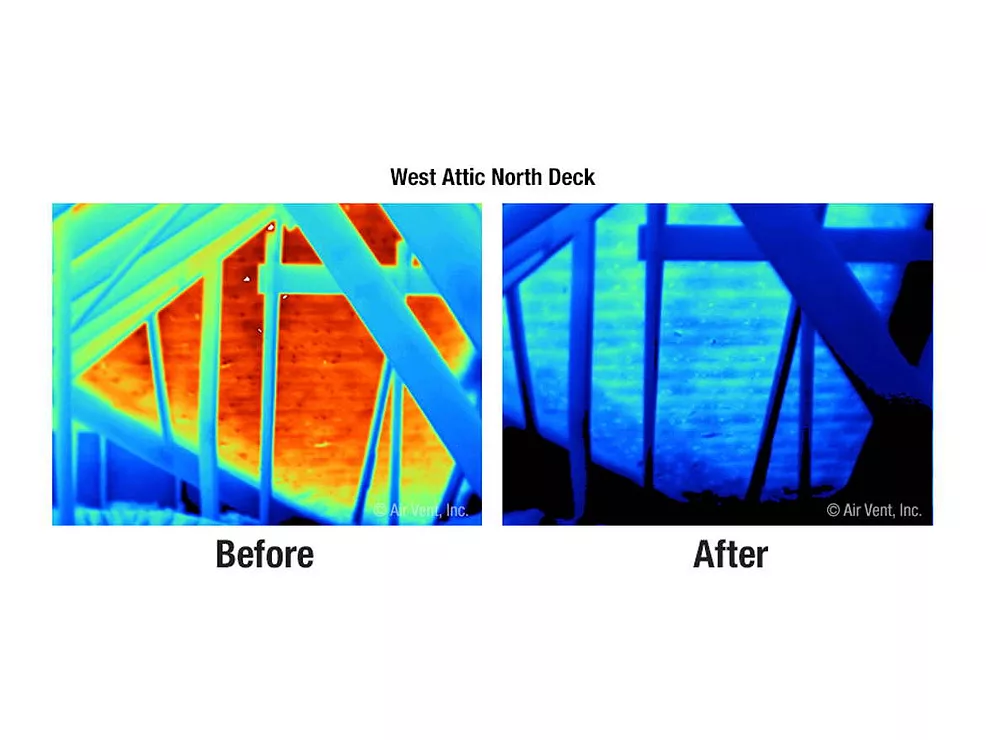
And for the overall roofing system, proper attic ventilation is key. A balanced ventilation system requires no energy to run and can help reduce energy bills, as well as improve the longevity of the roof. A balanced ventilation system has intake ventilation at the eave areas equal to the ventilation at or near the ridge area. Proper ventilation is also important in the cold winter months. In the winter, moisture is a primary concern. The daily activities of an average family of four can generate approximately two to four gallons of water vapor. This vapor rises to the attic where typically it is colder and dryer, and if it’s not properly ventilated, it can condense and lead to dampening of the insulation. Damp insulation causes wood to rot as well as mold and mildew, which can affect the exterior and interior of the home. Excessive moisture and heat build-up will cause shingles and decking to deteriorate prematurely. Be sure to ask the contractor about proper ventilation before sealing attic structures in new construction projects.
Common Mistakes
Here are a few tips for avoiding common mistakes that property owners, and even contractors might make when installing ventilation systems:
- Check that intake vents are not covered with insulation or painted closed
- Insert attic insulation baffles in soffit of intake vents
- Use only one type of exhaust vent on the same roof of a common attic
“The roof and attic are sometimes overlooked by the homeowner,” Hitchcock said. “Ventilation should be taken into consideration so you won’t have to pay for maintenance down the road when it might not be budgeted for.”
Overall, taking the route of installing a reflective roof, installing sufficient insulation and having proper ventilation are simple steps for energy efficiency and cost savings. When talking about “going green,” especially with the roof, having a proper approach from the start to prevent maintenance in the future is the most practical and effective way in doing so.
For more information about cool roofing, please visit www.asphaltroofing.org.
Looking for a reprint of this article?
From high-res PDFs to custom plaques, order your copy today!