Cool Roofing: Making the Case for Cool Roofs
Cool roof products have been around for years, but because of the educational and research efforts of organizations such as the Cool Roof Rating Council (CRRC) and the Environmental Protection Agency's ENERGY STAR® Reflective Roof Products program, combined with the incorporation of cool roofs into certification programs like LEED and California's Title 24, the market has expanded significantly.

Cool roof products have been around for years, but because of the educational and research efforts of organizations such as the Cool Roof Rating Council (CRRC) and the Environmental Protection Agency's ENERGY STAR® Reflective Roof Products program, combined with the incorporation of cool roofs into certification programs like LEED and California's Title 24, the market has expanded significantly. Cool roof products are now available in a range of roofing product types and variety of colors.
Cool roofs outperform conventional roofs by doing exactly what their name implies - staying cool, especially during the hot summer months. On a hot day, a standard black roof can be 70∞F hotter than the ambient air temperature, while a cool roof might be only 20∞ warmer. A cool roof means a cooler building and lessens need for air conditioning.
While providing a number of benefits, cool roofs do not pose a large additional cost when integrated into the design for new construction or renovation. Some cool roof options add no cost - for example, choosing a lighter color shingle or tile. Other options, such as adding a cool roof coating over a built-up roof, may add to the cost of the project, but these options often increase cost by only 5 to 10 cents per square foot. In many locations, these costs are offset quickly by lower utility bills and other benefits.
Cool roofs are beneficial even in locations with cold winters. Typically, the wintertime heat loss is less than generally thought because in winter months the sun is low in the sky, is less intense and shines for fewer hours each day. An 11-city energy-savings study by researchers at Lawrence Berkeley National Laboratory calculated energy savings from cool roofs, comparing decreased summer air conditioning costs with observed increases in winter heating expenditures. The results of the research study indicate that in most U.S. climates, summer air conditioning energy savings significantly exceed this winter penalty.
Both the CRRC and ENERGY STAR maintain respective product directories that rate roofing products according to the products' radiative properties. The CRRC measures both solar reflectance and thermal emittance, while ENERGY STAR currently lists only solar reflectance (and only includes products exceeding a minimum reflectance).
Many elements of a roof's structure, including insulation and radiant barriers, affect performance of the roof. While these and other components are undoubtedly important,the CRRC and ENERGY STAR programs address only the radiative performance of a roof's surface.
Under Title 24, to qualify as a "cool roof", low-slope roofing materials must have a rated initial solar reflectance of at least 0.70 and thermal emittance of at least 0.75. Title 24 uses the CRRC as the supervisory entity from which these ratings must be provided. Using a cool roof is a simple and cost-effective way of meeting low-slope commercial new construction requirements and it is the only way to comply in non-residential re-roofing situations.
Other jurisdictions outside of California have or are considering adopting cool-roof standards, and for the nearly 30 states that reference current ASHRAE standards 90.1 and 90.2, their codes may consider radiative properties. Alternatively, ENERGY STAR, referenced by other jurisdictions, currently requires a minimum solar reflectance of 0.65 and accepts manufacturer provided data. Also, green building programs, including the national LEED certification program, credit savings for using cool roofing. Many electric utilities are offering rebates for cool roofing materials.
Research underway by the Public Interest Energy Research Program (PIER), the Oak Ridge and Lawrence Berkeley National Laboratories and several roofing manufacturers is focusing on developing new, more richly colored, cool roof products, especially for steep-slope applications. So far, this research collaboration has developed several colored pigments that are significantly cooler than their traditional counterparts. These cool, colored products greatly increase the number of options for cool, steep-slope roofing.
These research efforts combined with greater integration of cool roof standards in building codes and programs will facilitate an increase in cool roof applications in the future. Architects, roofing specifiers and contractors will benefit from a better understanding of cool roofing options and from incorporating these systems into their buildings. Better performance and saved energy costs, along with environmental benefits and increased occupancy comfort, make cool roofs a cool alternative.
Cool roof products have been around for years, but because of the educational and research efforts of organizations such as the Cool Roof Rating Council (CRRC) and the Environmental Protection Agency's ENERGY STAR® Reflective Roof Products program, combined with the incorporation of cool roofs into certification programs like LEED and California's Title 24, the market has expanded significantly. Cool roof products are now available in a range of roofing product types and variety of colors.
Cool roofs outperform conventional roofs by doing exactly what their name implies - staying cool, especially during the hot summer months. On a hot day, a standard black roof can be 70∞F hotter than the ambient air temperature, while a cool roof might be only 20∞ warmer. A cool roof means a cooler building and lessens need for air conditioning.
Benefits of Cool Roofs
The most obvious advantage of this feature is lower energy use and, therefore, reduced utility bills. Cool roofs, however, offer several additional benefits including:- Increased life of the roof, thanks to decreased thermal stress on materials.
- Reduced HVAC system size, thanks to the smaller peak cooling loads.
- Increased comfort for building occupants.
- Diminished peak demand effects on the power grid.
- Reduced urban heat island effect, which in turn helps minimize the formation of greenhouse gases and smog.
While providing a number of benefits, cool roofs do not pose a large additional cost when integrated into the design for new construction or renovation. Some cool roof options add no cost - for example, choosing a lighter color shingle or tile. Other options, such as adding a cool roof coating over a built-up roof, may add to the cost of the project, but these options often increase cost by only 5 to 10 cents per square foot. In many locations, these costs are offset quickly by lower utility bills and other benefits.
Cool roofs are beneficial even in locations with cold winters. Typically, the wintertime heat loss is less than generally thought because in winter months the sun is low in the sky, is less intense and shines for fewer hours each day. An 11-city energy-savings study by researchers at Lawrence Berkeley National Laboratory calculated energy savings from cool roofs, comparing decreased summer air conditioning costs with observed increases in winter heating expenditures. The results of the research study indicate that in most U.S. climates, summer air conditioning energy savings significantly exceed this winter penalty.
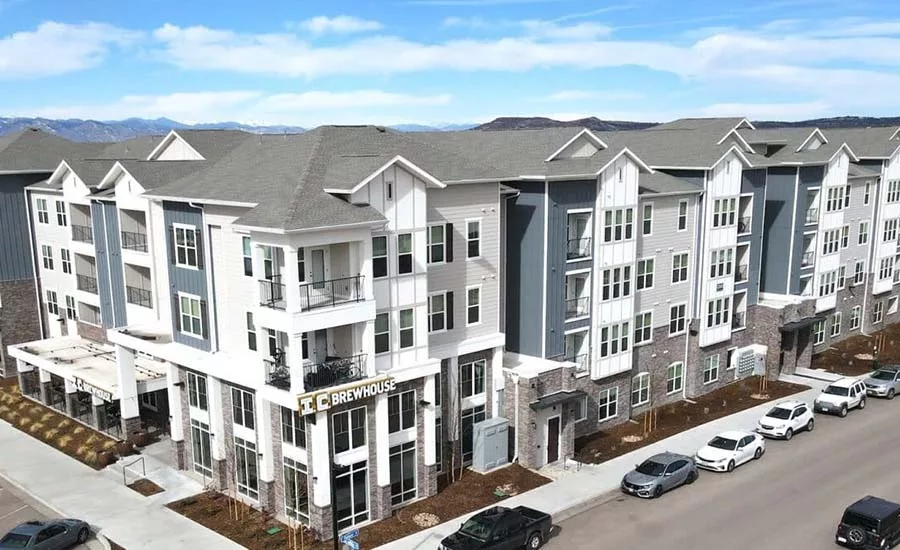
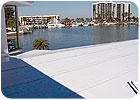
REFLECTIVITY When comparing a cool roof with a regular roof, a difference in the radiative properties of the roofing material can mean huge differences in surface temperatures. A lower temperature means the roof conducts less heat into the building, which translates into a smaller cooling load. The exact amount of savings varies depending on climate, roof performance, insulation and other aspects of the building, but a reasonable average savings expectation for a typical application of cool roofing is in the range of 10 percent to 30 percent of the cooling energy required. This range might equate to a total building electric bill reduction of 3 percent to 10 percent. These ranges generally apply to low-rise buildings in regions with significant cooling loads. (Photo courtesy of Polyglass.)
Radiative Properties
A roof will stay cooler by reflecting the sun's energy rather than absorbing it, as well as by quickly releasing the heat it does absorb. Solar reflectance and thermal emittance quantify these two properties, respectively. Solar reflectance measures the fraction of the sun's energy that is reflected by the surface of the roof. Thermal emittance refers to the relative ease with which the roof radiates away the heat it absorbs. Both properties are measured as a fraction (from 0.00 to 1.00) and the higher the value, the cooler the material. These two measurements can also be mathematically combined into one value called the Solar Reflectance Index or SRI.Both the CRRC and ENERGY STAR maintain respective product directories that rate roofing products according to the products' radiative properties. The CRRC measures both solar reflectance and thermal emittance, while ENERGY STAR currently lists only solar reflectance (and only includes products exceeding a minimum reflectance).
Many elements of a roof's structure, including insulation and radiant barriers, affect performance of the roof. While these and other components are undoubtedly important,the CRRC and ENERGY STAR programs address only the radiative performance of a roof's surface.
Focus on Savings
When comparing a cool roof with a regular roof, a difference in the radiative properties of the roofing material can mean huge differences in surface temperatures. A lower temperature means the roof conducts less heat into the building, which translates into a smaller cooling load. The exact amount of savings varies depending on climate, roof performance, insulation and other aspects of the building, but a reasonable average savings expectation for a typical application of cool roofing is in the range of 10 percent to 30 percent of the cooling energy required. This range might equate to a total building electric bill reduction of 3 percent to 10 percent. These ranges generally apply to low-rise buildings in regions with significant cooling loads.Codes and Programs
The many environmental benefits of cool roofs are leading voluntary programs and code bodies to integrate them into green building programs and building codes. California's building energy code, Title 24, which was updated in October 2005 to prescribe cool roofs for many low-slope, non-residential applications, is leading the way.Under Title 24, to qualify as a "cool roof", low-slope roofing materials must have a rated initial solar reflectance of at least 0.70 and thermal emittance of at least 0.75. Title 24 uses the CRRC as the supervisory entity from which these ratings must be provided. Using a cool roof is a simple and cost-effective way of meeting low-slope commercial new construction requirements and it is the only way to comply in non-residential re-roofing situations.
Other jurisdictions outside of California have or are considering adopting cool-roof standards, and for the nearly 30 states that reference current ASHRAE standards 90.1 and 90.2, their codes may consider radiative properties. Alternatively, ENERGY STAR, referenced by other jurisdictions, currently requires a minimum solar reflectance of 0.65 and accepts manufacturer provided data. Also, green building programs, including the national LEED certification program, credit savings for using cool roofing. Many electric utilities are offering rebates for cool roofing materials.
What Lies Ahead
Though cool roofing is rapidly becoming widely recognized for its energy savings benefits, the emphasis so far has been mainly on low-slope roofs. This is, in part, because of the visibility of steep-slope roofs. Most people seem to prefer the aesthetics of a darkly colored roof compared to a white or very light colored roof. As a result, many more cool roof options are currently available for low-slope roofs than for steep-slope.Research underway by the Public Interest Energy Research Program (PIER), the Oak Ridge and Lawrence Berkeley National Laboratories and several roofing manufacturers is focusing on developing new, more richly colored, cool roof products, especially for steep-slope applications. So far, this research collaboration has developed several colored pigments that are significantly cooler than their traditional counterparts. These cool, colored products greatly increase the number of options for cool, steep-slope roofing.
These research efforts combined with greater integration of cool roof standards in building codes and programs will facilitate an increase in cool roof applications in the future. Architects, roofing specifiers and contractors will benefit from a better understanding of cool roofing options and from incorporating these systems into their buildings. Better performance and saved energy costs, along with environmental benefits and increased occupancy comfort, make cool roofs a cool alternative.
Looking for a reprint of this article?
From high-res PDFs to custom plaques, order your copy today!